Disclosure: Freet sent me these shoes free of charge for review. All opinions are my own, and I only recommend products I genuinely believe in.
I am 3 years into my barefoot journey, and I mostly wear barefoot shoes (you can read about my experience in this article: I Switched to Barefoot Shoes, Here’s What Changed). After trying a few brands, but sticking mainly to Vivobarefoot, I wanted to find some good training shoes that are more affordable yet still high quality.
I came across Freet barefoot shoes and was very pleased when they kindly offered to send me a few pairs to try out.
In this review, I want to discuss how they compare to Vivobarefoot and which feet they fit best. I will cover the sizing, quality, and price points, as well as how comfortable I found them training in the gym for strength training, step, and weight training, and running outdoors on different surfaces and distances.
TL;DR /Quick Verdict
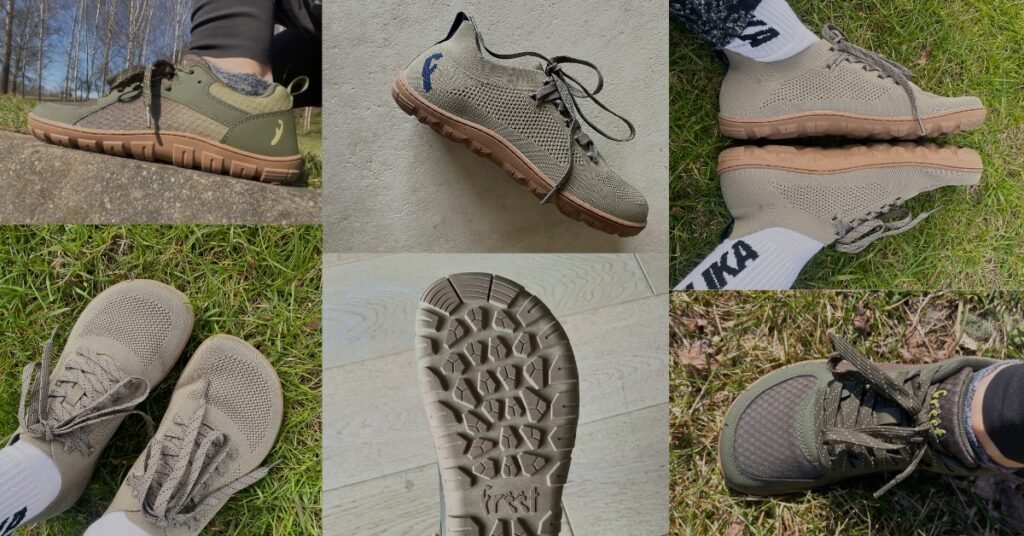
After over a month of testing two pairs of Freet barefoot shoes- Keld 3 and Feldom 3 across gym sessions, 5-6km runs, and forest walks, I’d recommend Freet to anyone wanting a sturdy, well-made barefoot shoe at roughly half the price of Vivobarefoot. They’re best for regular-to-wide feet, beginners who want a touch more cushioning, and anyone prioritising durability and value over maximum ground feel.
About Freet Barefoot Shoes
Freet is a barefoot shoe family business that started 17 years ago by Andrew and Sarah in North Yorkshire, England. The brand started from a personal problem – solving persistent knee pain while doing all things outdoors – hiking, running, or just spending a lot of time on your feet. Freet are designed to free, not restrict, your feet and natural movement.
The brand focuses on an active person who likes to be on the move in different situations, be it mountain hiking, forest walking, running in the gym or outdoors, or exploring cities on foot. Freet make shoes for men, women, and kids. It’s a functional, not a trend-led brand.
Freet continually works to reduce its environmental impact through responsible materials and production choices. Some of the materials they use include BottleYarn made from recycled plastic bottles and CoffeeYarn created using recycled coffee grounds.
What I Tested and How
I have been testing Freet shoes for over a month now and have a good understanding of the quality and comfort. I have tested both pairs in the gym and outdoors, and I do like how they feel on my feet.
Keld 3
I tested this shoe mostly indoors. I attended gym classes like step, strength training, and mobility, and I have also used them on the gym machines.
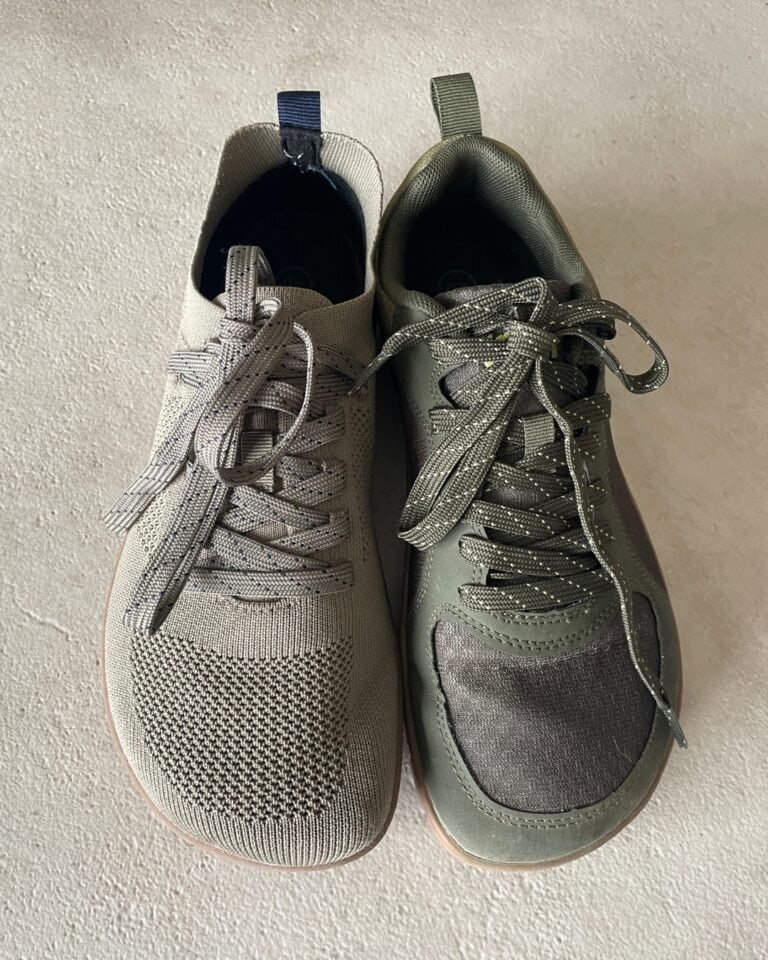
Feldom 3
This is more of an outdoor shoe, and I tested it on 5 to 6km runs on concrete and gravel. I also did some forest walks and tested them in the outdoor gym. I used them for bike rides as well as simple walks. I tested these shoes in different conditions – dry weather as well as running in the rain.
I also asked my friend, who has wider feet, to test both pairs. She found them more comfortable than Vivobarefoot, as both shoes have more height for the toes – she finds Vivobarefoot doesn’t have enough space for hers.
Freet Sizing and Fit
I have quite narrow feet with bunions, so my toes are quite close together. My foot shape is the reason I find Vivobarefoot shoes very comfortable, while a lot of people with wider feet and more spread toes find them too narrow.
There were no break-in periods, and my feet adjusted quite quickly to both pairs. I did find the sizing slightly off with Feldom 3 – they felt slightly too small, and I wish they were just a tiny bit bigger, as I used them mainly as a running shoe, and my big toe wants a bit more space. They’re not too small on my feet, but I’d size up next time. I love the padding on this shoe as it feels perfect for running, and my feet feel very secure. I managed to do multiple 5 and 6-km runs without any issues.
Keld 3 feels more like a sock. I prefer the design and feel, but for a gym workout, I found them a bit big and too padded. This is my preference – I want to try exercising without the insole to get a bit closer to the ground.
To summarise, Freet shoes run slightly smaller than Vivobarefoot, with Feldom 3 feeling slightly smaller than Keld 3 due to more padding and harder fabrics used to keep the feet stable. Keld 3 has more of a sock feel and is roomier. Overall, the fit is very comfortable, just slightly more padded than I’m used to in a barefoot shoe.
Keld 3 Review
I love this shoe for the gym, and I’m sure I will use it for walks when the weather is a bit warmer – I tried it out outside, and my feet were freezing. I love the simplistic look and how it hugs the foot.
The insole is a bit too padded for me, but if I take it out, my feet feel less secure – so I’d probably size down and take the insole out if you want a more barefoot feel. That said, I have tested them during step, strength training, and mobility sessions in the gym and have never slipped or felt uncomfortable.
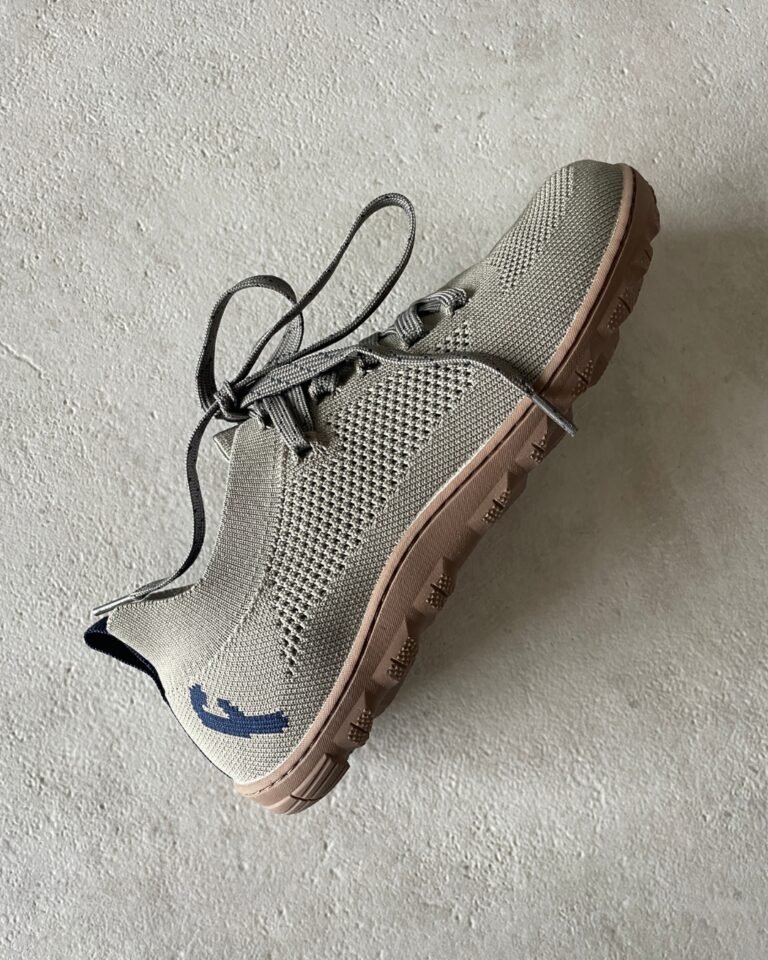
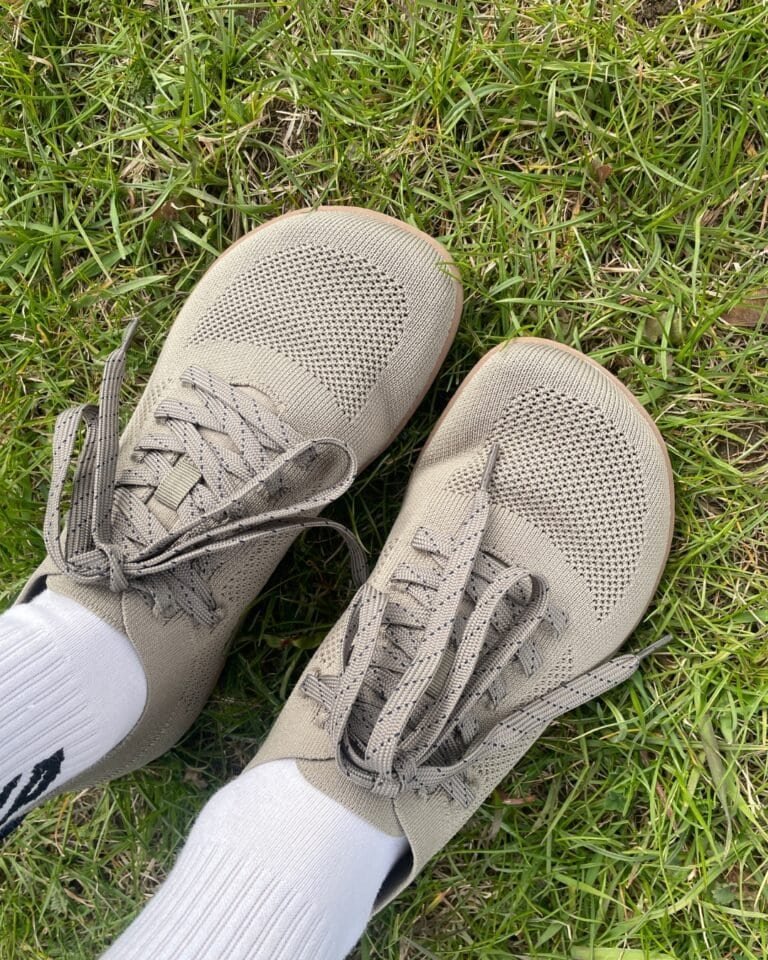
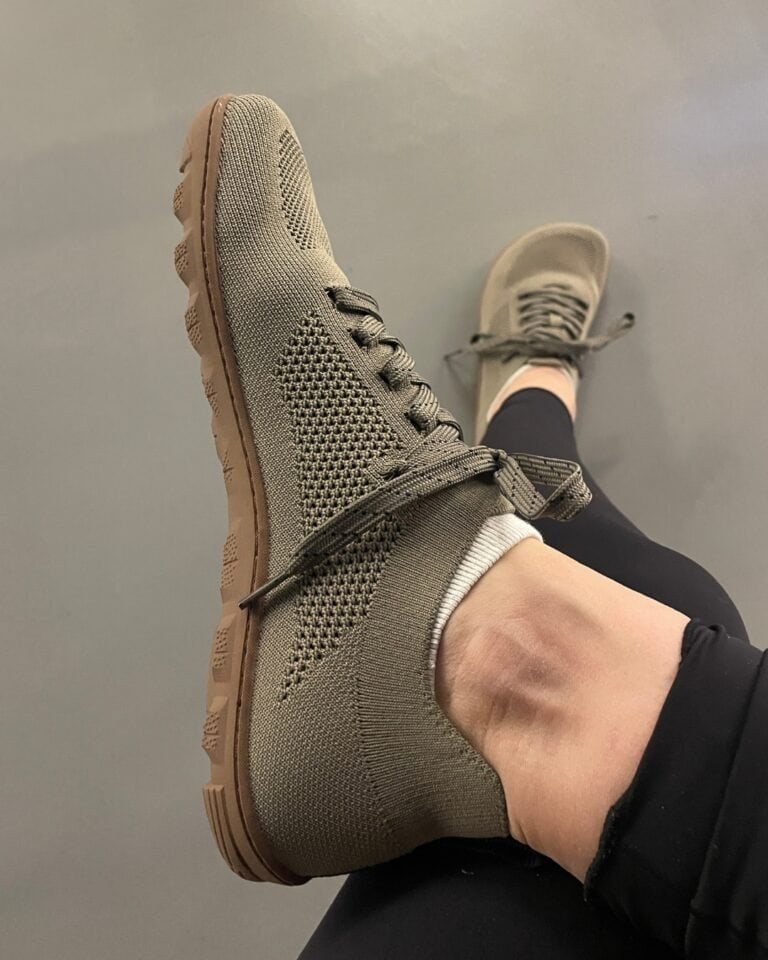
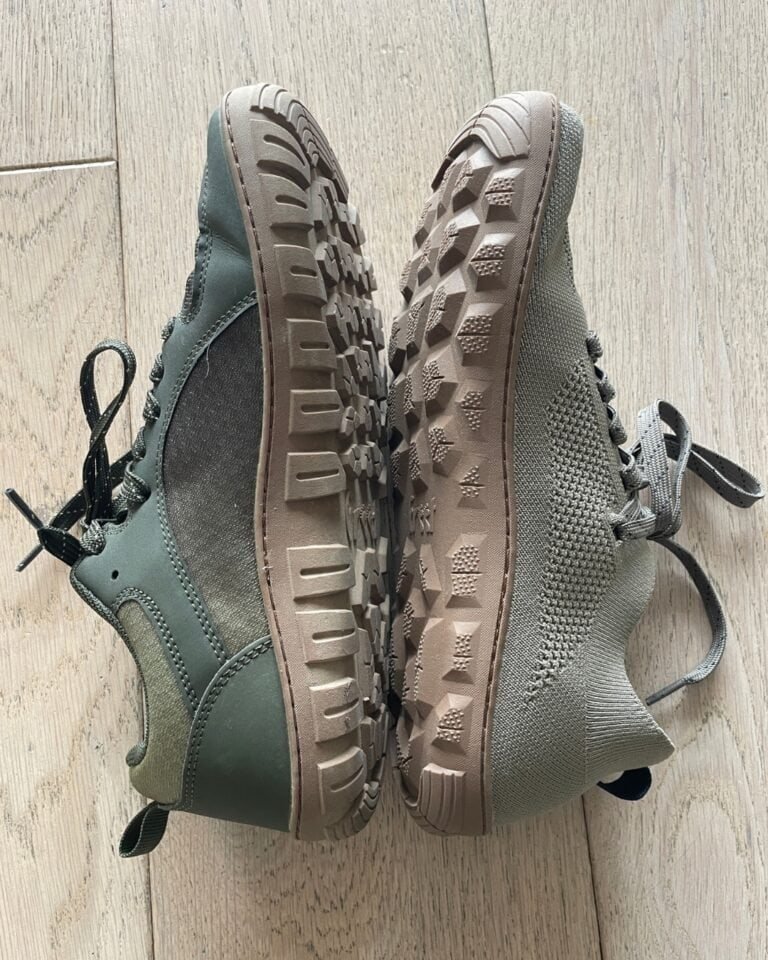
I do struggle with balance a bit more while wearing these shoes – the thicker insole reduces ground feedback compared to a more minimal shoe, which I noticed during balance work. I was used to exercising in my Vivobarefoot Primus Lite Knit, which has a far more minimal insole and sole that kept me very close to the ground. But where Keld 3 wins is grip – they’re not slippery at all, and I felt very comfortable doing downward-facing dog or mountain climbers.
I wish the shoelaces were a bit shorter as they keep tangling, and I need to keep stopping mid-exercise to retie them.
I love that Keld 3 is Vegan. As it’s a very light shoe, I’ll take them on my holiday to Spain and test them in a warmer climate.
I love the green colourway as it goes with many outfits and will not get too dirty, and I will need to wash them way less than white shoes.
Overall, it’s a great functional shoe with a bit more padding that is very comfortable and versatile.
Best for: breathable, so good for warmer weather and indoor gym
Feldom 3 Review
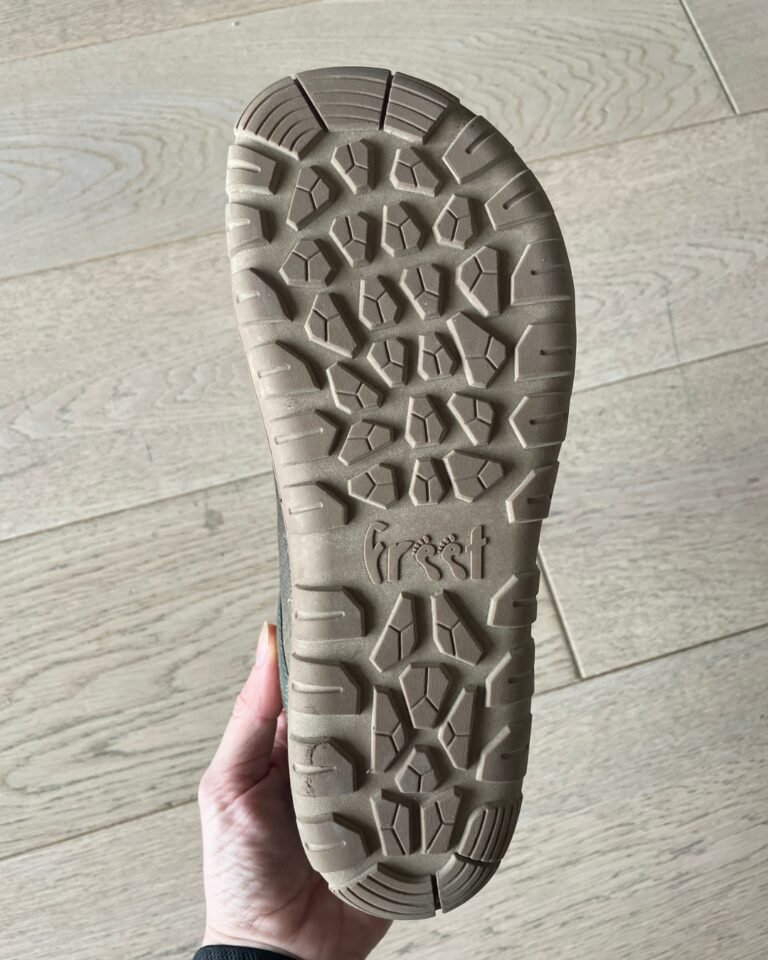
Feldom 3 is more of an outdoor shoe, and I tested it on different terrains – running, walking, and outdoor workouts like box jumps. It will keep your feet more secure and protected from the weather than the Keld 3. It is more padded around the ankle and reinforced with faux leather fabric. It is a sturdy shoe.
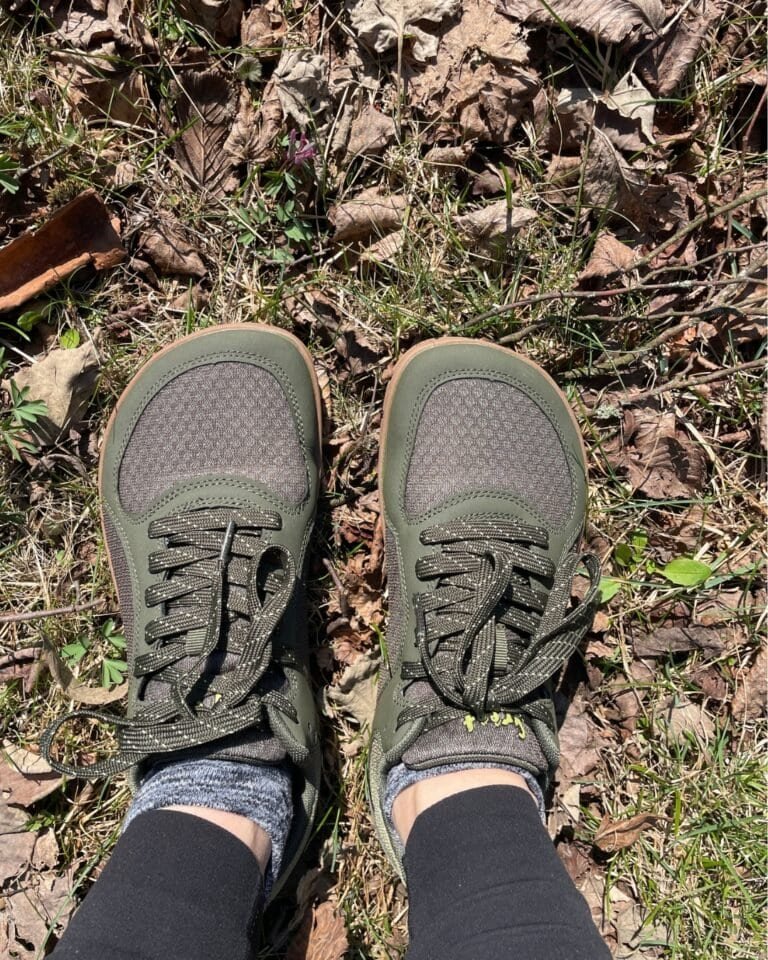
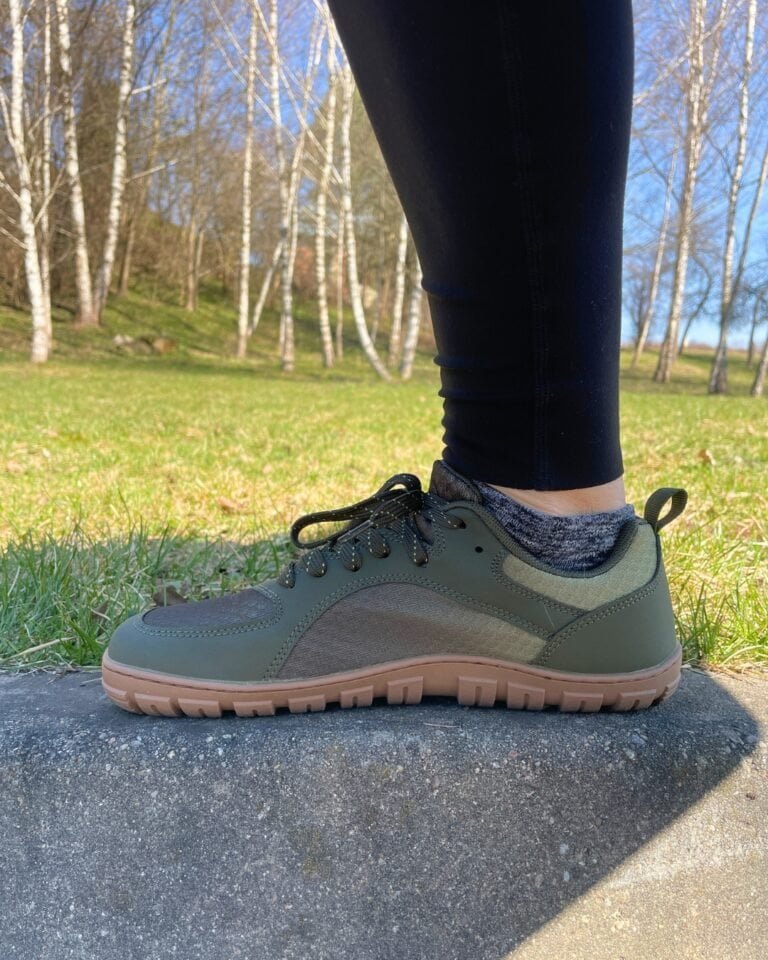
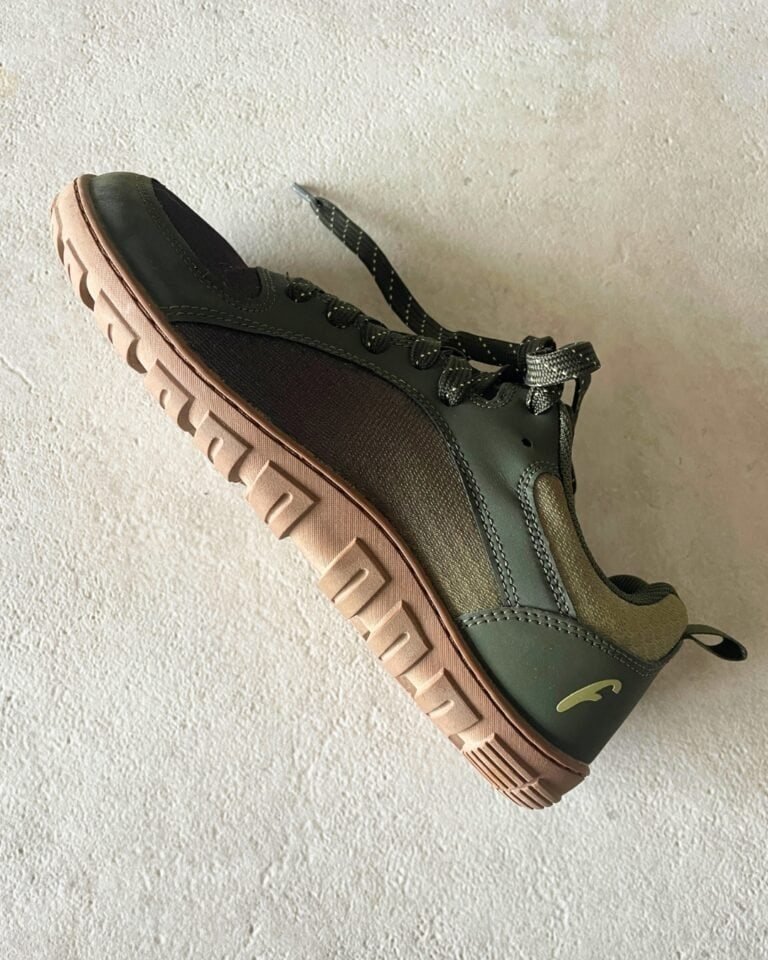
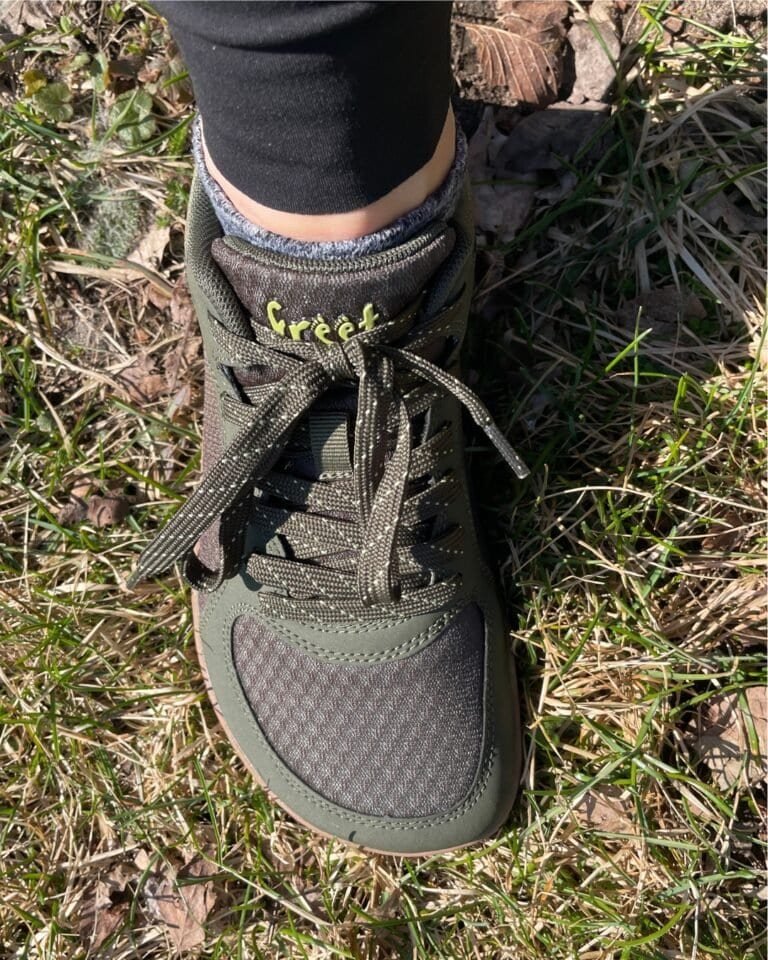
The website states the shoes are not waterproof, but I tested them running in the rain – although I could feel a bit of moisture, my feet stayed dry.
Compared to Keld 3, these shoes feel a bit smaller, and although my toes did not rub, I do feel that, ideally, I would size up. I think it is because of more padding.
The sole is very grippy even in the rain, and I felt stable throughout my runs and hikes.
Same as Keld Shoes, I love the earthy colours of Feldom as they look good and don’t get too dirty too quickly.
Best for: running and hiking
What I love about the Feldom 3 shoe is that it is not only a good barefoot running shoe, but also perfect as a day-to-day shoe. I love wearing them with baggy jeans, as the colours go with many outfits.
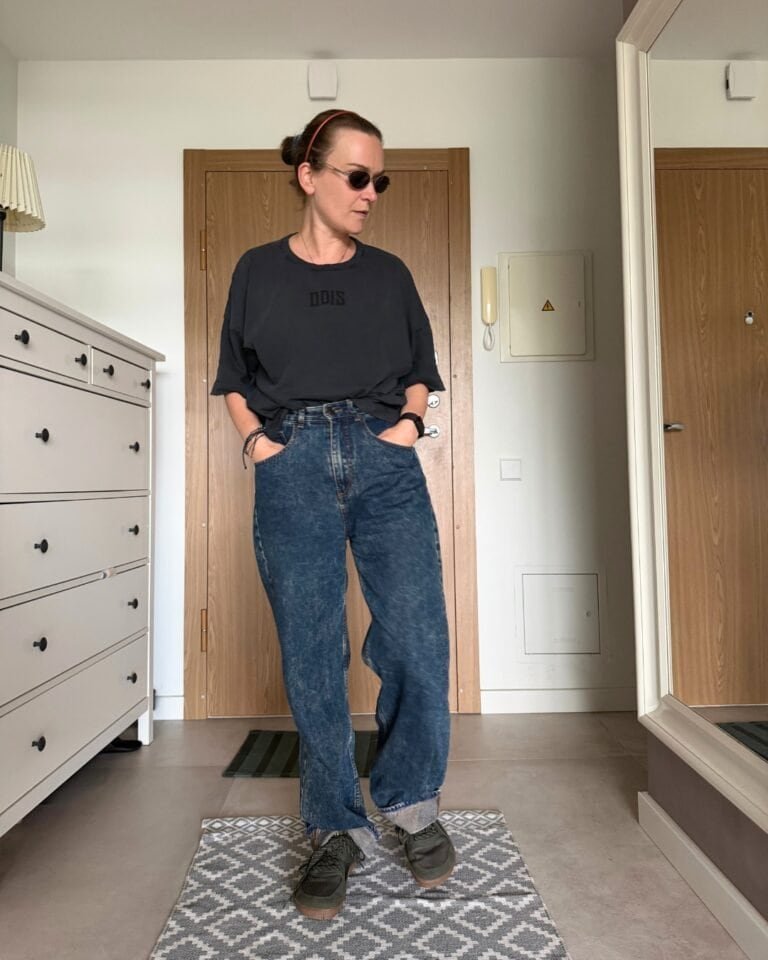
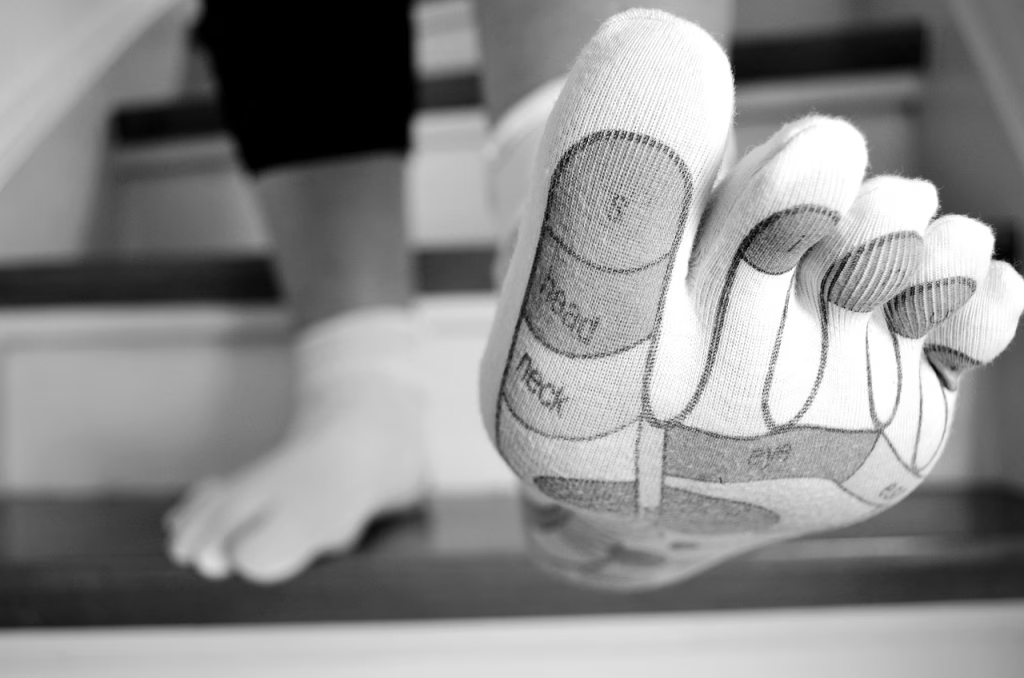
To get the best out of your barefoot shoes, I would always recommend wearing them with toe socks so your toes can spread more naturally. I have created the best toe sock list here.
Freet vs Vivobarefoot
I’ve worn Vivobarefoot for 3 years, so this comparison is based on real, side-by-side wear rather than spec sheets.
The biggest differences come down to four things:
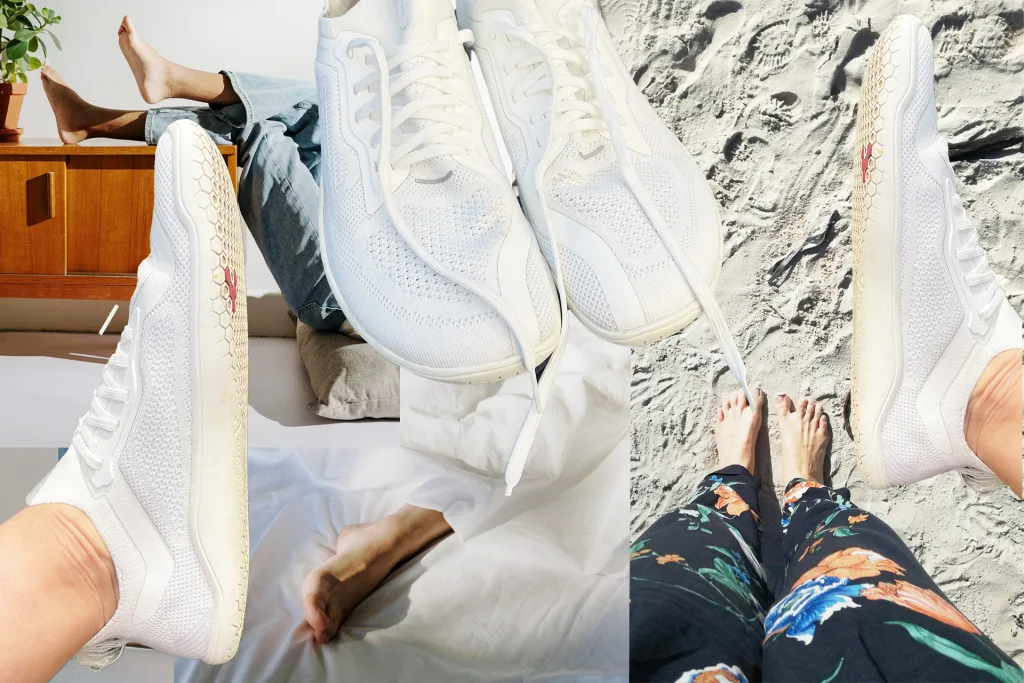
Cushioning and sole thickness. Freet shoes are noticeably more padded and have a thicker sole than Vivobarefoot models. If you love the very-close-to-the-ground feel of Vivo gym models like Primus Lite Knit
, Freet will feel like a step away from that. If you find Vivo too minimal and want a softer transition into barefoot, Freet is genuinely more comfortable.
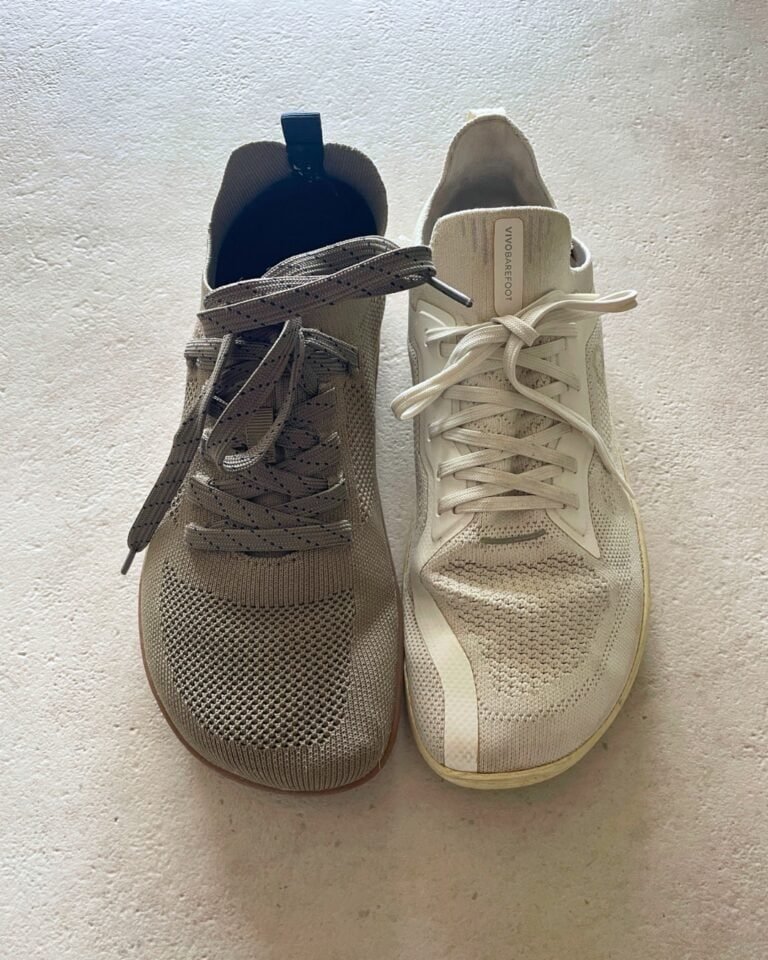
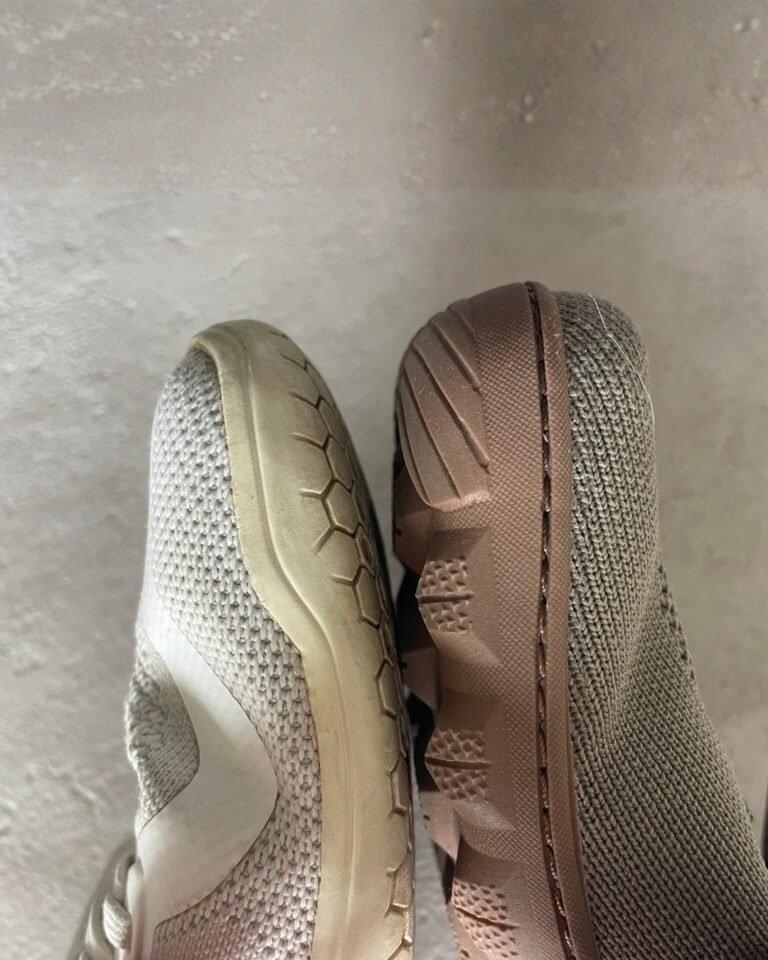
Toe box width. Freet shoes are wider in the toe box than Vivobarefoot. This is the biggest reason people who find Vivo too narrow tend to love Freet.
Toe box height. Freet shoes have more height for the toes – your toes can spread sideways but also wiggle up. Vivobarefoot sits lower over the foot. Small detail, but a real one if you’ve ever felt the top of a Vivo pressing down on your toes.
Price. Freet shoes are roughly half the price of comparable Vivobarefoot models. For a well-made barefoot shoe, this is a significant difference.
Which one suits which foot? If you have narrow feet and want maximum ground feel, Vivobarefoot is probably still the better fit. If you have regular-to-wide feet, want a bit more cushioning, or are new to barefoot shoes and want a gentler transition, Freet wins on both comfort and value.
What I Love About Freet Shoes
- I love how sturdy the shoes are – the stitching reinforcement on the sole will make them last for a very long time.
- I love the simple but functional design of both shoes. You can feel that a lot of love and care went into designing them.
- Freet shoes have a bit more height for the toes than other barefoot shoes I’ve tried. It’s a great design feature – your toes can move not only to the sides but also wiggle up.
What Could Be Better
- The standard insole is the weakest part of the build for me – I’d love to see Freet upgrade it to match the quality of the rest of the shoe. The good news is they offer alternative insoles on their site, and for Keld 3, I’d swap to a thinner option for better stability.
- The main logo design feels a bit busy, though it’s mostly hidden on the sole. I do like the secondary, more minimalistic logo that’s featured on the heels of both shoes.
- The shoelaces on both pairs are a bit too long. Not a deal breaker, but for a functional shoe, it is quite an important detail – I kept tripping on them during my step class and need to tuck them in constantly while running.
Who Should Buy Freet Barefoot Shoes
- If you’re on a budget but want a very good quality barefoot shoe that will last
- If you’re a beginner on a barefoot journey and want something with a bit more cushioning
- If you find Vivobarefoot too narrow or too low for your toes
- If you have regular-to-wide feet, especially if Vivo has felt too restrictive
Who Shouldn’t Buy Freet shoes
If you have very narrow feet and want maximum ground feel, you may prefer a snugger brand like Vivobarefoot. Freet are still comfortable on narrow feet (mine are narrow with bunions and I happily run in them), but they’re probably even better suited to wider feet, where the extra toe space and height are beneficial.
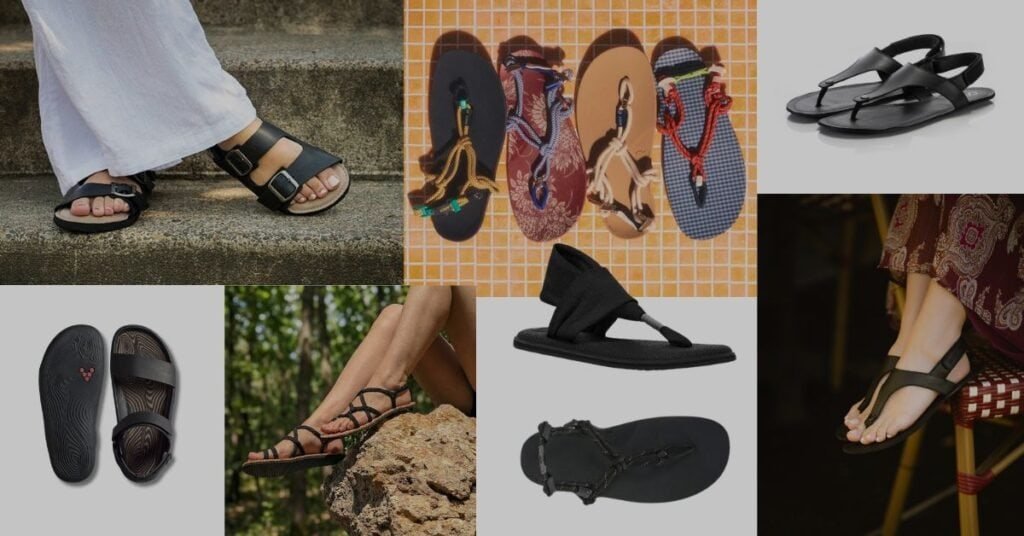
If you are looking for barefoot sandals for summer or to take on holiday, check out Best Barefoot Sandals For Women
Freet Barefoot Shoes FAQ
Where are Freet shoes made?
Freet Barefoot is a UK-based company that designs and tests their shoes in North Yorkshire, England. Production is in China.
Are Freet shoes true to size?
Yes, but they run slightly shorter and wider than other barefoot shoes. I’d go for your regular size in Keld 3 and consider sizing up for Feldom 3, as this model has a bit more cushioning and feels slightly more snug.
How do Freet compare to Vivobarefoot?
Freet is a more affordable shoe (almost half the price) with more toe space, more toe height, and a bit more padding than Vivobarefoot. It’s a much smaller company focused on foot health and functional shoes.
Are Freet zero drop?
Yes, Freet barefoot shoes are zero-drop to support natural posture.
Are Freet good for beginners?
Yes – Freet shoes are very comfortable, supportive, and have a bit more padding, so they’re a great option for beginners easing into barefoot footwear.
Are Freet good for wide or narrow feet?
Freet are suited to all foot types but probably even better for regular-to-wide feet, as they have plenty of toe space and height. My feet are on the narrower side and I still find them comfortable – my friend with wider feet loved the fit even more.
To Conclude,
I only tested two pairs of Freet shoes for a bit longer than a month, and this is my honest opinion about the shoes. It is important to remember that we all have different foot shapes and preferences. Overall, I like the quality-to-price ratio and enjoy using the shoes, and the more I keep wearing them, the more I like them.
Editorial Note
This post is for informational purposes only. Product formulations can change; always check current ingredient labels before purchasing.

Silvija Meilunaite, PN1-NC, CSMC, is a certified nutrition coach and menopause coaching specialist. Combining current scientific research with her own experience of perimenopause, she writes evidence-based articles, practical guides, and in-depth product reviews to help women over 40 make informed decisions about nutrition, strength training, recovery, supplements, non-toxic living, and wellness products.