
Best Non-Toxic Dishwasher Detergents That Actually Work

non toxic dishwashed detergent

When reducing toxin exposure in the kitchen, dishwasher detergent is one of the most overlooked things.  Many conventional detergents contain harsh cleaning agents, synthetic fragrances, and preservatives to remove grease and food residue. While they may leave dishes looking clean, traces of these chemicals can remain on plates, glasses, and utensils that we eat our food with.

In this article, we’ll break down which dishwasher detergent ingredients are best to avoid, which safer active ingredients to look for instead, and review the best non-toxic dishwasher detergents that clean effectively without unnecessary chemical exposure.

In This Article:

TL;DR

What to Look for When Choosing a Non-Toxic Dishwasher Detergent

❌ Ingredients to avoid:

1. Surfactants (cleaning agents) like Alcohol ethoxylates, Anionic surfactants that can irritate the microbiome, can irritate skin, and are toxic to plants and aquatic life.(1)(2)

2. Strong alkalies and builders. Alkali metal hydroxides (e.g., potassium/sodium hydroxide) and metasilicates that can burn if ingested (1), and Phosphate builders (e.g., sodium triphosphate) that are toxic to aquatic life. (3)

3. Biocides and “antibacterial” agents.

Isothiazolinones (e.g., methylisothiazolinone) and benzisothiazolinone are potent sensitizers and toxic to aquatic life(4). Triclosan- concerns include antibiotic resistance and chloroform formation ( toxic and carcinogenic for humans) with chlorinated water. (5)

4. Additives and impurities, including Benzotriazole/tolyltriazole and 1,4‑Dioxane, both probable human carcinogens. (6)(7)

5. Sulfates (e.g., SDS/SLS)-disrupt epithelial barriers in the lung, skin, and esophagus, and are cytotoxic at low concentrations, promoting inflammation and allergic disease pathways. (8)

6. Phosphates- toxic for aquatic life. (9)

7. Parabens and phthalates are both considered endocrine‑disrupting chemicals(1)

Safer, less toxic formulations rely on biodegradable surfactants, mild builders, and enzymes.

✅  Safe, effective ingredients:

1. Safer surfactants (cleaning agents).Ingredients to look for on the label: Biosurfactants, lipopeptides, rhamnolipids, sophorolipids. Fatty acid potassium/sodium salts, plant-based surfactants like alkyl polyglucosides.

2. Safer builders and chelating agents. MGDA, sodium citrate, sodium carbonate, sodium bicarbonate; avoid sodium tripolyphosphate (STPP). 

3. Enzymes –lipase, protease, amylase

4. Formulations built around sugar‑based surfactants + sodium citrate + polyacrylates 
Disclosure: As an Amazon Associate, I earn from qualifying purchases. I may also earn from other affiliate links, at no extra cost to you. Thank you for supporting Barefoot Basil! Full Affiliate Disclosure

Best Non-toxic Dishwasher Tablets and Pods

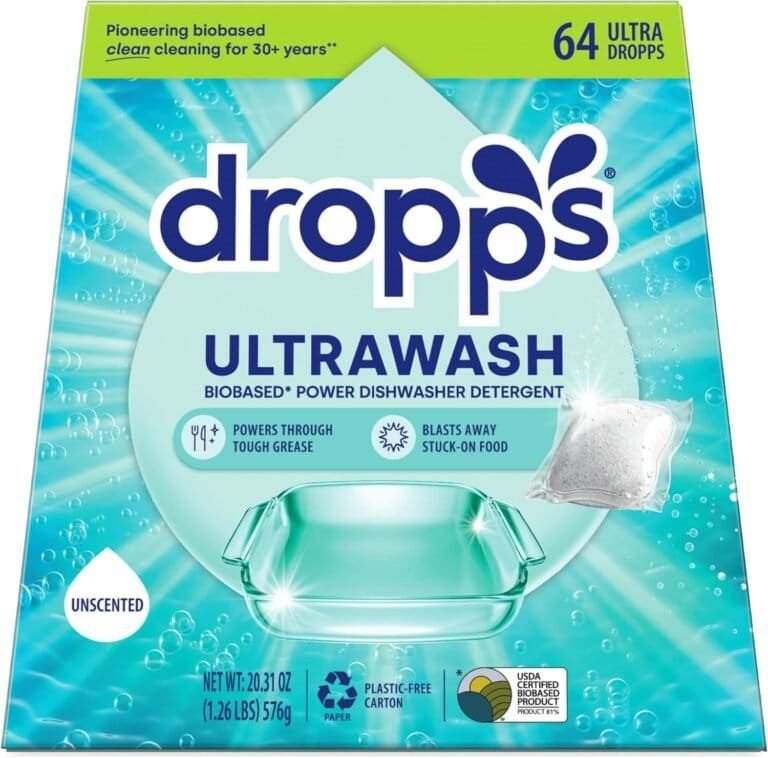
Dropps, UltraWash Plus Biobased Power Dishwasher Detergent

Dropps  UltraWash Plus Biobased Power Dishwasher Detergent uses specialized enzymes and oxygen-powered technology to remove grease, oil, and stuck-on food from your dishes. Dropps offers both unscented and scented options. This biobased dishwasher detergent formula was never tested on animals and is made without dyes, sulfates, phosphates, chlorine, gluten, parabens, and phthalates. It’s septic safe and vegan.

Certifications: EPA Safer Choice, Cradle to Cradle, USDA Certified Biobased 61%, and Leaping Bunny Certified

Fragrance-free: yes
Cruelty-free: yes
Plastic-free package: yes
Loads: 64
Ingredients: Sodium carbonate, sodium percarbonate, Alcohols, ethoxylated, poly(itaconic acid-co-AMPS) sodium salt, sodium citrate, water, glycerin, sodium silicate, alkyl glucoside, subtilisin enzyme, amylase enzyme, tetrasodium glutamate diacetate, tetraacetylethylenediamine, lauramine oxide, myristamine oxide, citric acid, polyvinyl alcohol

PVA film used for the pods, although soluble in water, doesn’t always biodegrade. 

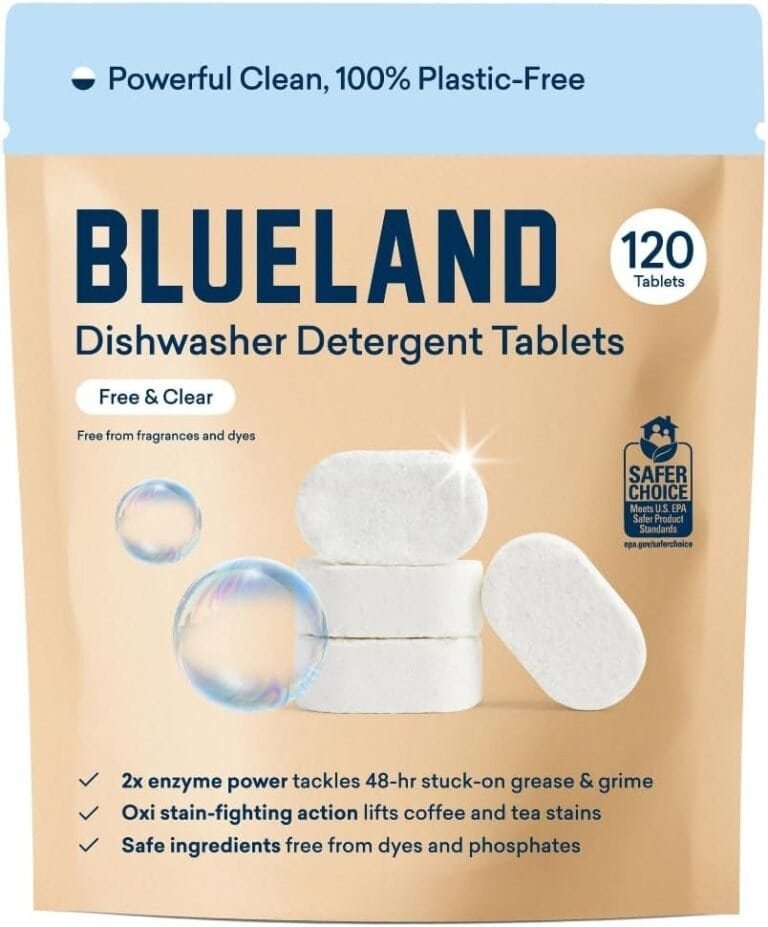
BLUELAND, 100% Plastic-Free Dishwasher Detergent Tablets

Without harsh chemicals, Blueland’s eco-friendly dishwasher detergent tablets cut grease and grime with 100% plastic-free tablets for a sparkling clean. It’s microplastic-free, septic-safe, and made with plant- and mineral-based cleaning power, so it’s powerful enough to combat spotting and filming, even in hard water, but safe for use around everyone in the family.

Certifications: EPA Safer Choice, Cradle to Cradle, USDA Certified Biobased, and Leaping Bunny Certified

Fragrance-free: yes
Cruelty-free: yes
Plastic-free package: yes
Loads: 120, 180 and 360
Ingredients: Sodium Citrate, Sodium Carbonate, Sodium Percarbonate, Protease Enzyme Blend, Microcrystalline Cellulose, Sorbitan Caprylate, Hydrated Silica, Water, Sodium Carboxymethyl Inulin, Sodium Polyaspartate, and Amylase Enzyme Blend

100% plastic-free made with clean ingredients

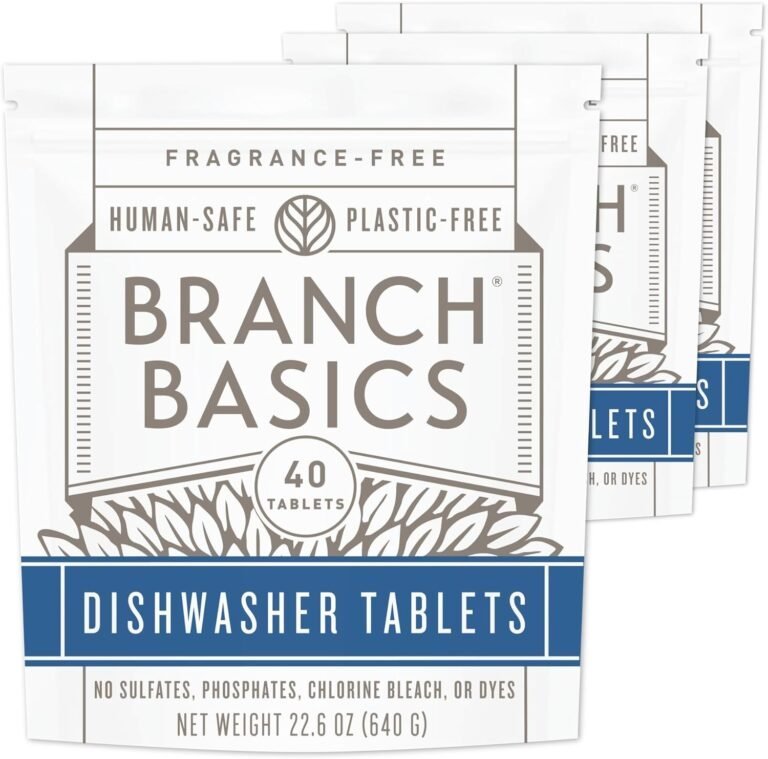
Branch Basics, Dishwasher Detergent Tablets

Branch Basics Dishwasher Detergent Tablets are a human-safe and environmentally conscious alternative to conventional pods, formulated with plant- and mineral-based ingredients. These fragrance-free tablets are designed to leave dishes spotless without leaving behind chemical residues or microplastics. The tablets are free from harsh preservatives, synthetic fragrances, sulfates, chlorine, phthalates, and bleach. Certifications: MadeSafe Certified, Leaping Bunny Certified, EWG Verivied

Fragrance-free: yes
Cruelty-free: yes
Plastic-free package: Yes
Loads: 40
Ingredients: Sodium Carbonate, Sodium Percarbonate, Citric Acid, Sodium Citrate, Poly (itaconic acid-co-AMPS) Sodium Salt, Sodium Gluconate, Protease, Sodium Metasilicate, Amylase, Sodium Lauryl Sulfoacetate, Potassium Caprylate

Clean and safe ingredients. Plastic free packaging. 

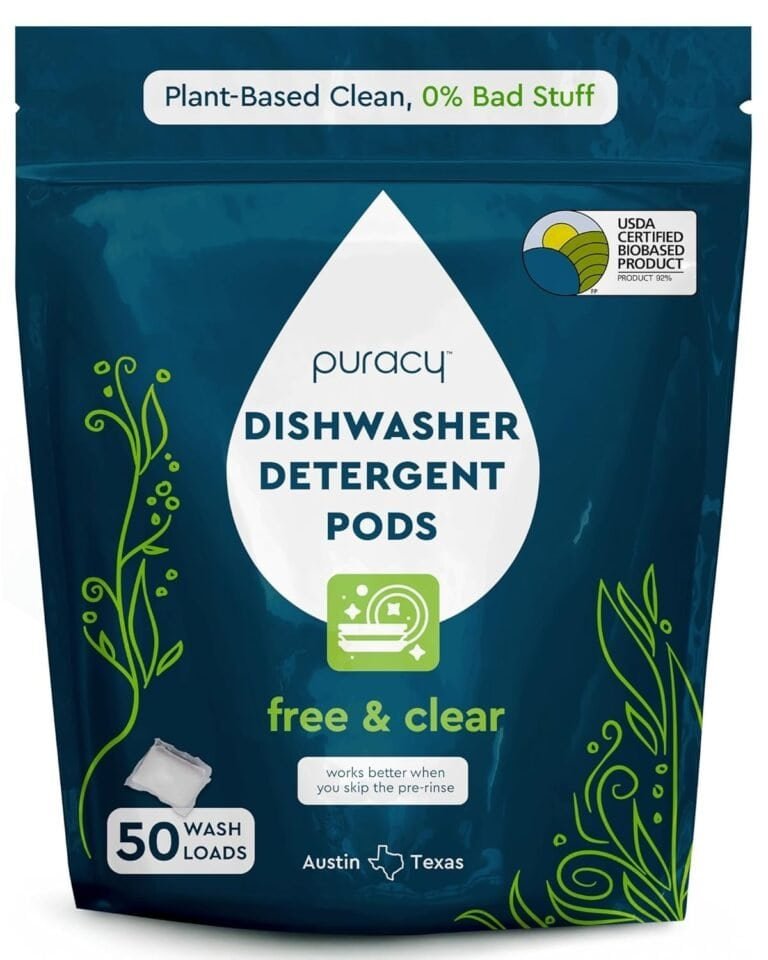
Puracy, Dishwasher Pods

Puracy Dishwasher Pods are a 99.5% natural, enzyme-powered cleaning solution with a plant- and mineral-based formula. The pods are biodegradable, vegan, and cruelty-free, ensuring they don’t harm aquatic life after going down the drain.

Certifications:  USDA Certified Biobased, PETA cruelty-free, and vegan

Fragrance-free: yes
Cruelty-free: yes
Plastic-free package: No
Loads: 18 and 50
Ingredients: Amylase, Protease, Sodium citrate, Sodium carbonate, Sodium percarbonate, Alkyl polyglucoside, Sodium metasilicate, Polyvinyl alcohol, and Carboxymethyl inulin

No information on the package materials. Pods use PVA coating.

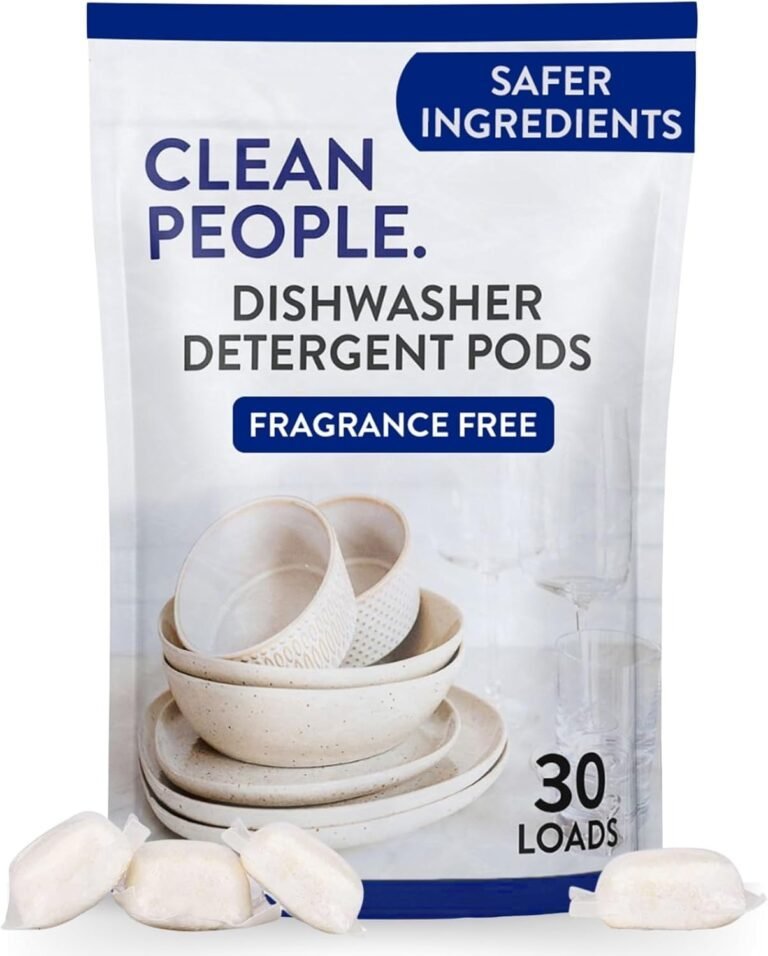
The Clean People, Dishwasher Pods

Powered by enzymes, Clean People’s Dishwasher Detergent Pods cut through grease and stuck-on food stains to leave dishes sparkling with zero residue, streaks, or other mineral build-up. This simple, yet effective formula is free from harsh chemicals and synthetic fragrance, making it a safer choice for your family and the environment.

Certifications:  EPA Safer Choice

Fragrance-free: yes
Cruelty-free: yes
Plastic-free package: No. It uses 35% recyclable plastic.
Loads: 30
Ingredients: Sodium Carbonate, Sodium Sulfate, Sodium Metasilicate, Alkyl Polyglucoside, Sodium Citrate Dihydrate, Sodium Percarbonate, TAED, Itaconic Acid, Sodium Salt, Protease, Amylase, Polyvinyl Alcohol

Packaging contains plastic. Pods contain PVA coating. 

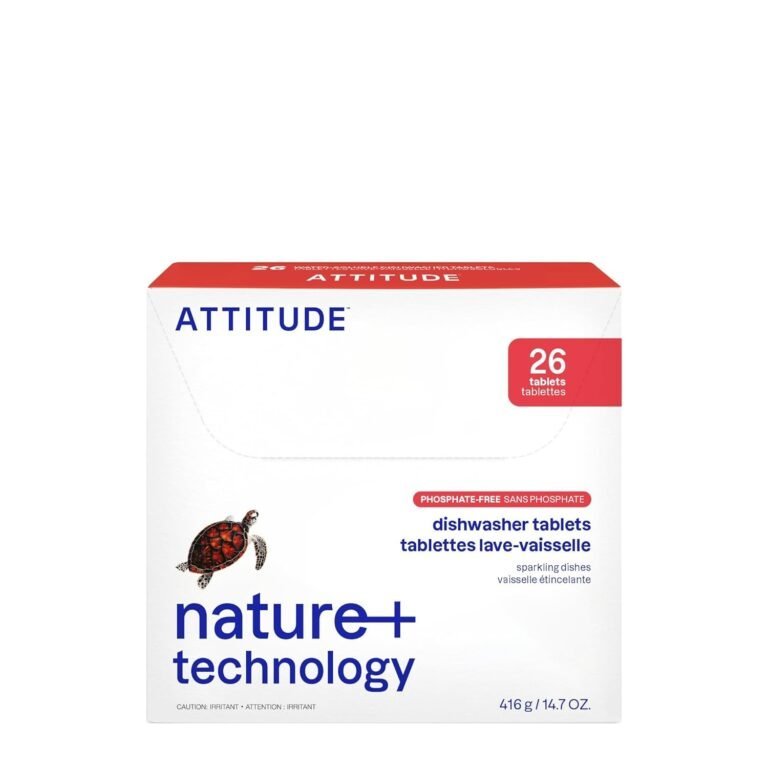
ATTITUDE, Dishwasher Pods

ATTITUDE Dishwasher Pods are plant- and mineral-based detergent tablets designed for high-efficiency cleaning without harsh chemicals. These unscented, biodegradable pods effectively cut through grease and food residue while acting as an anti-limescale agent to protect your dishwasher. Designed for families with sensitive skin, with no artificial fragrances and common irritants. It utilizes 100% recyclable, FSC-certified cardboard for the packaging.

Certifications: ECOLOGO Certified, PETA Certified (Cruelty-Free & Vegan), and FSC Certified Packaging

Fragrance-free: yes
Cruelty-free: yes
Plastic-free package: Yes
Loads: 26 and 70
Ingredients: 5-15% anionic surfactants (Sodium Coco-Sulfate), <5% non-ionic surfactants (Lauryl Glucoside, Myristyl Glucoside, Caprylyl Glucoside).

There’s no information on the ingredients for the coating of the pods, stating only that it’s water-soluble and biodegradable. 

Best non toxic Dishwasher Detergent

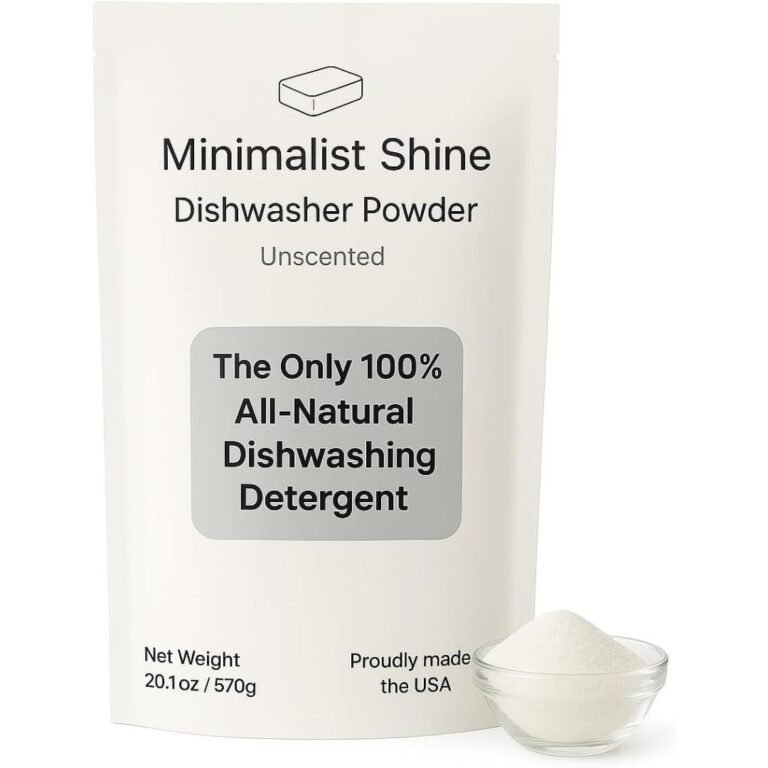
Minimalist Shine, Dishwasher Powder

Minimalist Shine Dishwasher Powder uses natural food-grade ingredients and comes in plastic-free packaging. The powder is made with simple, natural ingredients: sodium carbonate, sodium bicarbonate (baking soda), citric acid, food-grade salt, and amylase enzymes. 

Certifications:  None 

Fragrance-free: yes
Cruelty-free: yes
Plastic-free package: Yes
Loads: 60
Ingredients: Sodium Carbonate, Sodium Bicarbonate (food grade), Salt (food grade), Citric Acid (food grade), Amylase (Food Grade)

Clean ingredients, with a simple formula and biodegradable packaging. No 3rd-party certification.

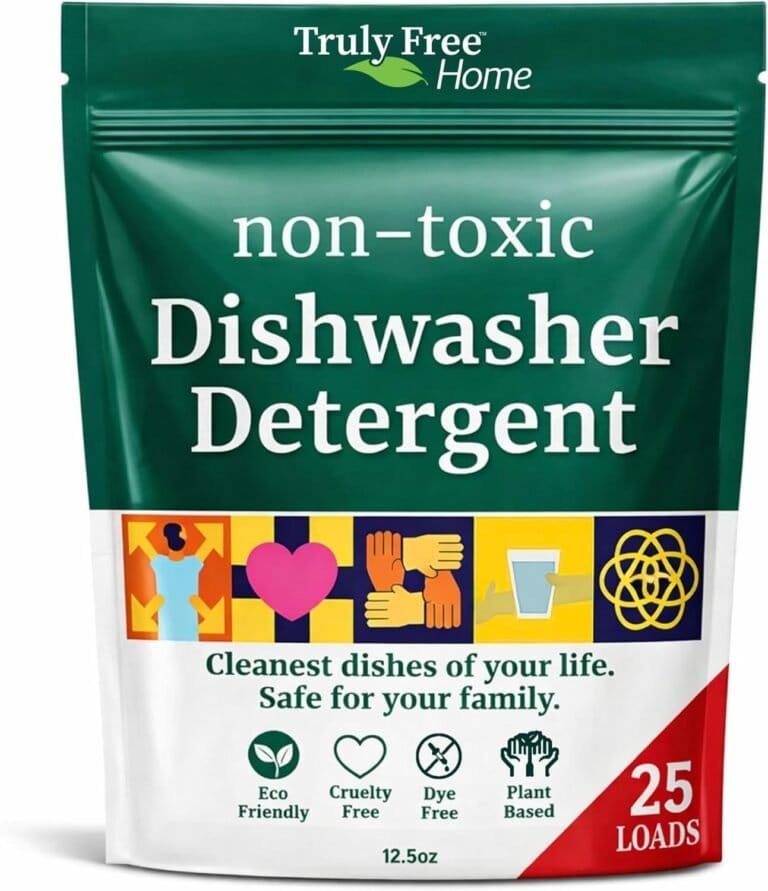
Truly Free, Non-Toxic Dishwasher Detergent

Truly Free Dishwasher Detergent is a non-toxic, concentrated cleaning powder that uses natural ingredients to clean dishes without harsh chemical residues. It is free from toxins, including chlorine bleach, phosphates, parabens, phthalates, SLES, ammonia, dyes, and artificial fragrances. The naturally derived ingredients are biodegradable, meaning they break down safely.

Certifications:  Cradle to Cradle Certified, EPA Safer Choice, and Leaping Bunny Certified

Fragrance-free: yes
Cruelty-free: yes
Plastic-free package: No
Loads: 25
Ingredients: Acrylic Acid Homopolymer, Amylase, Alkoxylated Alcohol, TAED, Sodium Sulfate, Protease, Sodium Percarbonate, Sodium Carbonate, Sodium Carboxymethyl Inulin, Sodium Citrate

No information on the package materials

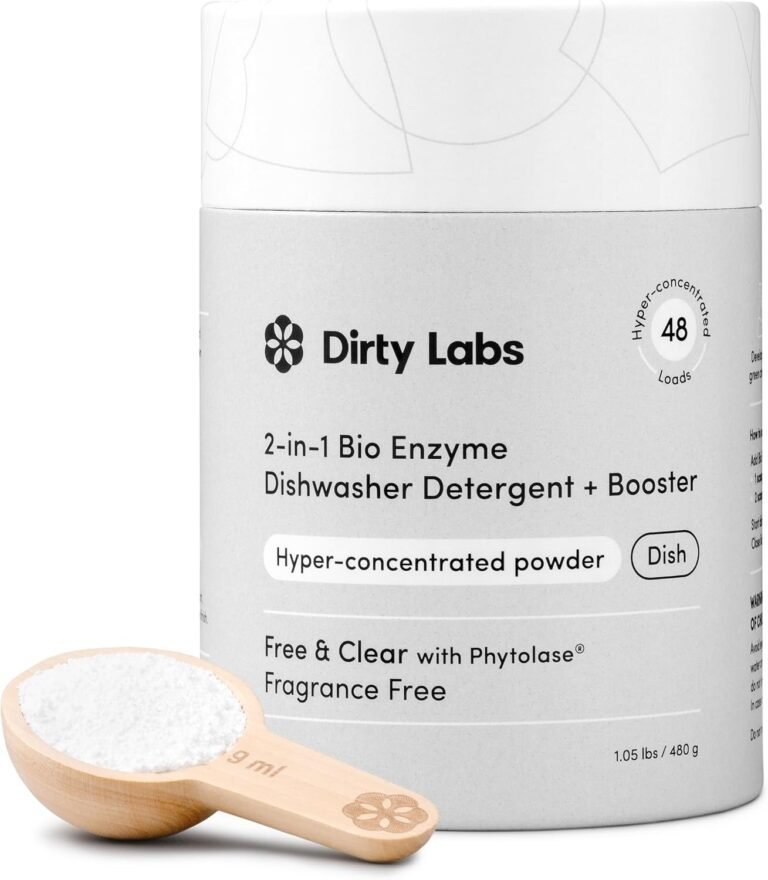
Dirty Labs, Bio Enzyme Dishwasher Detergent

Dirt Labs ultra-concentrated 2-in-1 powder formula is designed with the most advanced bioenzymes and natural, non-toxic ingredients to break down tough greese and stuck-on food, without harsh chemicals. 

Certifications: Green Seal, EPA Safer Choice, USDA Certified Biobased, and Cradle to Cradle Certified (Gold Level)

Fragrance-free: yes
Cruelty-free: yes
Plastic-free package: Yes
Loads: 48
Ingredients: Sodium citrate, Sodium carbonate, Sodium carbonate peroxide, Sodium gluconate, Protease (Subtilisin), Sorbitan caprylate, Hydrous sodium silicate powder, Sodium carboxymethyl inulin, Alpha-amylase, Calcium silicate, Silicon dioxide

100% plastic free packging and all clean ingredients

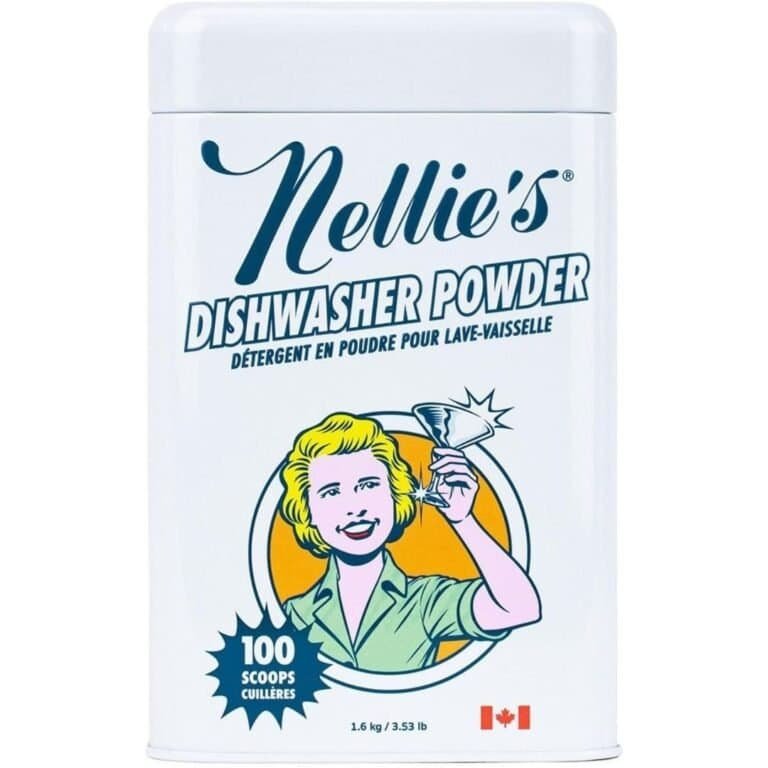
Nellie’s, Dishwasher Powder

Nellie’s Dishwasher Powder is a powerful plant-based detergent that uses simple, non-toxic ingredients to ensure dishes are clean and safe for the whole family, while minimizing harm to the environment. It is free from allergens, bleach, dyes, phosphates, and sulfates. 

Certifications: Leaping Bunny

Fragrance-free: yes
Cruelty-free: yes
Plastic-free package: Yes
Loads: 50
Ingredients: Sodium Carbonate, Linear Alcohol Ethoxylate, Sodium Chloride, Sodium Metasilicate

All clean and natural ingredients. Plastic-free packaging. Not yet 3rd-party certified.

How We Selected the Best Non-Toxic Dishwasher Detergents

1. Ingredient list – we looked at the ingredient list and made sure that there are no harsh and harmful ingredients. We also checked that the active ingredients listed actually work. 

2. Packaging – we prioritized no plastic, recycled,  recyclable packaging with minimal waste. 

3. Effectiveness. We have analyzed many user reviews and utilized face review detection tools, as well as examined user recommendations on forums. 

4. Certifications- We only list products approved by relevant bodies to make sure they are 100% safe. 

5. Value for money – more sustainable and non-toxic options are more expensive to produce, but they should not be overpriced.

To Summarize,

Dishwasher detergent is something most of us use every day without thinking too much about what’s inside it. But because our dishes come into direct contact with food, the ingredients used to clean them are important to our and environmental health. Many conventional dishwasher detergents contain synthetic fragrances and strong cleaning agents that can leave small amounts of residue behind and pollute the water.

Switching to a non-toxic dishwasher detergent is a simple way to reduce unnecessary chemical exposure in the kitchen without compromising on cleanliness. 

References
  1. Ogulur, I., Pat, Y., Aydin, T., Yazici, D., Rückert, B., Peng, Y., Kim, J., Radzikowska, U., Westermann, P., Sokolowska, M., Dhir, R., Akdiş, M., Nadeau, K., & Akdis, C. (2022). Gut epithelial barrier damage caused by dishwasher detergents and rinse aids.. The Journal of allergy and clinical immunology. https://doi.org/10.1016/j.jaci.2022.10.020. 
  2. Tkachuk, N., & Zelena, L. (2024). Phytotoxicity of the aqueous solutions of some dishwashing detergents for dishwashers with phosphonates and without phosphates. Journal of Environmental Science and Health, Part A, 59, 574 – 582. https://doi.org/10.1080/10934529.2025.2450920. 
  3. Igos, E., Moeller, R., Benetto, E., Biwer, A., Guiton, M., & Dieumegard, P. (2014). Development of USEtox characterisation factors for dishwasher detergents using data made available under REACH.. Chemosphere, 100, 160-6 . https://doi.org/10.1016/j.chemosphere.2013.11.041. 
  4. Kralj, B., Fortuna, A., Abram, A., & Trebše, P. (2019). Dish handwashing: an overlooked source of contamination. Environmental Chemistry Letters, 18, 181-185. https://doi.org/10.1007/s10311-019-00918-5.
  5. Tsai, S., Shih, M., & Pan, Y. (2008). Determinations and residual characteristics of triclosan in household food detergents of Taiwan.. Chemosphere, 72 9, 1250-5 . https://doi.org/10.1016/j.chemosphere.2008.05.003.
  6. Janna, H., Scrimshaw, M., Williams, R., Churchley, J., & Sumpter, J. (2011). From dishwasher to tap? Xenobiotic substances benzotriazole and tolyltriazole in the environment.. Environmental science & technology, 45 9, 3858-64 . https://doi.org/10.1021/es103267g.
  7. Lin, W., Chen, W., Cheng, W., Chang, H., & Tsai, S. (2017). Determining the Residual Characteristics of Alkylphenols, Arsenic, and Lead as well as Assessing the Exposures of 1,4-Dioxane from Household Food Detergents.. Journal of AOAC International, 100 4, 1086-1093 . https://doi.org/10.5740/jaoacint.16-0380.
  8. Ogulur, I., Pat, Y., Aydin, T., Yazici, D., Rückert, B., Peng, Y., Kim, J., Radzikowska, U., Westermann, P., Sokolowska, M., Dhir, R., Akdiş, M., Nadeau, K., & Akdis, C. (2022). Gut epithelial barrier damage caused by dishwasher detergents and rinse aids.. The Journal of allergy and clinical immunologyhttps://doi.org/10.1016/j.jaci.2022.10.020.
  9. Igos, E., Moeller, R., Benetto, E., Biwer, A., Guiton, M., & Dieumegard, P. (2014). Development of USEtox characterisation factors for dishwasher detergents using data made available under REACH.. Chemosphere, 100, 160-6 . https://doi.org/10.1016/j.chemosphere.2013.11.041.
  10.  
d37a97a86fd37bee042bdfae47d44e4a5dd7ddd83bb30ae759c3c1a406c5b9db?s=150&d=mp&r=g
Website |  + posts

Silvija Meilunaite, PN1-NC, CSMC, is a certified nutrition and menopause coaching specialist who writes about midlife health, nutrition, and evidence-based wellness. She focuses on research-driven approaches to feeling better in your 40s and beyond, with a special interest in low-tox living and supportive daily habits.

Leave a Comment

Your email address will not be published. Required fields are marked *

Scroll to Top