I have been learning more about the importance of a healthy pelvic floor, especially for women over 40. The importance was also highlighted in a GGS menopause coaching certification I completed recently.
Keeping these muscles strong – particularly after childbirth and as we age – helps reduce the risk of pelvic organ prolapse and prevents everyday inconveniences like urinary incontinence when we sneeze or jump.
Over the past year, I started noticing changes in my own pelvic floor strength. I began attending classes focused specifically on strengthening it, and I have been surprised by how much improvement I feel not just in my pelvic floor, but in my entire body.
Not every woman has access to a pelvic health specialist, so I’ve gathered the best pelvic floor exercises available on YouTube. These exercises are beginner-friendly and can be done at home, focusing on pelvic floor relaxation, release, strengthening, Pilates, and prolapse support.
TL;DR
The Best Pelvic Floor Exercises for Women can help improve core stability, bladder control, and long-term pelvic health. This guide explains why pelvic floor training matters and highlights the best YouTube routines for relaxation, release, strengthening, Pilates, and prolapse support. All exercises can be done at home, and consistency is the key to seeing real results.
Pelvic organ prolapse is very common, affecting up to 30-40% of women globally, and one in four women suffers from weak pelvic floor symptoms.(1)
Yet we are only now beginning to speak openly about pelvic floor health and how essential it is, especially as risks increase with age.
Before we get into the exercises, it helps to understand where your pelvic floor is and how to activate it. I’ll be honest: before learning more about women’s health, I had no idea how to locate or engage my pelvic floor muscles. If you are a beginner, be patient. Proper activation takes practice.
It’s also important to know that the pelvic floor benefits from many types of movement. Strength training, Pilates, jumping rope, mini-trampoline workouts, and general full-body exercises all contribute to a stronger pelvic floor and better long-term pelvic health.
Please note that if you are experiencing pelvic floor issues, you should evaluate your pelvic floor health with a pelvic floor specialist before you do any of the exercises listed below. These exercises are more focused on improving your pelvic floor health and prevention.
Kegel exercises
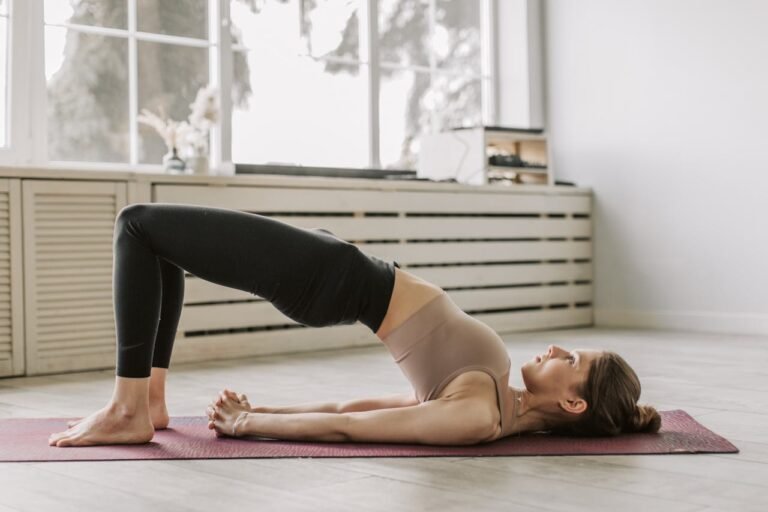
Kegel exercises are the first ones to come up when talking about the pelvic floor. Kegel exercise is basically a contraction of your pelvic floor. They are a great way to increase your body awareness and understanding of where your pelvic floor is. However, your pelvic floor does not exist separately from other muscles and organs; therefore, sometimes Kegel exercises might not be enough. But they are definitely a good introduction to pelvic floor health.
There are a few ways to practice pelvic contractions; make sure to find a way that works for you. What works for me is sitting down nd imagining that you are trying to pick up a small object from a chair with your vagina like a glass marble. Another cue might work for you is pretending to suck in a paper tissue, suck in a smoothie, or hold on to a tampon. Kegel exercises are usually the first technique mentioned when talking about pelvic floor health. A Kegel is simply a contraction of the pelvic floor muscles. They are helpful for increasing body awareness and understanding where your pelvic floor is. However, the pelvic floor does not function in isolation. It works together with your breath, core, hips, and surrounding organs, which means Kegel exercises alone are not always enough. Still, they are a valuable and accessible starting point for most women.
There are several ways to practise pelvic floor contractions, so find the cue that feels natural for your body. One method that works well for me is sitting down and imagining you are lifting a small object – like a glass marble – with your vagina. Another helpful cue is to imagine gently drawing in a paper tissue or holding a tampon in place. Use whichever visualisation helps you feel a clear, controlled contraction without tension in the rest of your body. Nobody else should notice you are practising Kegel but you.
Here are some good videos to get you started:
How to find your pelvic floor
How to do Kegel Exercises the RIGHT Way ft Dr. Sarah Reardon
The Best Pelvic floor release and relaxation exercises
As mentioned in both videos, sometimes the pelvic floor, like other muscles, can be too tense already, and you need to learn how to relax it. These videos will help you do just that.
Release Your Pelvic Floor – Exercises for Tight Muscles
This video is very educational and starts with an explanation of why we can have tight pelvic floor muscles and then shows great exercises to relax them.
3-Minute Miracle! Three Steps for Pelvic Health
I personally love this quick pelvic floor release. It makes me feel very light and relaxed, and I recommend you try it out.
5 Minute Pelvic Floor Release – Relax Pelvic Tension FAST!
If you only have 5 minutes, this video is great for releasing tense pelvic floor.
10 Minute Pelvic Floor Release – Simple Pelvic Floor Relaxation Exercises at Home!
15 Minute Bedtime (or Anytime) Stretches for Pelvic Relaxation and Stress Relief
Best Exercises to Strengthen Your Pelvic Floor
After you have mastered kegel and relaxation exercises, it is time to start learning how to strengthen your pelvic floor. You can do these exercises on their own or as part of your training routine.
20 MIN PELVIC FLOOR WORKOUT | Strengthen your Pelvic Floor and Core with 22 Different Exercises
22 Minute Pelvic Floor & Deep Core for All Workout: At home bodyweight exercises
The Ultimate Workout for Pelvic Floor Strength, Breathing, and Digestion
Best Exercises for Prolapse and Bladder Leaks 💖 Safely Strengthen Your Pelvic Floor!
If you want to challenge your core more and start working your abs, check out:
Best Pelvic Floor Strengthening Pilates
8 Minutes Pelvic Floor Exercises for Women: Strengthen the Pelvic Floor through Pilates
15 Minute Pilates to Strengthen Your Pelvic Floor
Postpartum Pilates For Pelvic Floor & Core (STOP LEAKING!)
Pelvic Floor Pilates | Pelvic Floor Exercises for Women
Top Exercises for Pelvic Floor | 20 min Beginner Mat Pilates
15 Minute Pilates for Your Pelvic Floor (No More Kegels) – At Home – Pilates Ball
Pelvic Floor & Core Workout | With a Women’s Health Physio
Pilates Workout for Pelvic Floor | “Finding Your Center.”
Things You Should Not Do to maintain your pelvic floor health
In addition to the exercises, it is also important to note a few habits that many women often engage in. Some of them we were trained by society to think that they are good for us, but they are actually making our pelvic floor health worse.
1. Sucking in the belly.
Women are conditioned to such a belly all the time to feel leaner. This creates problems with the pelvic floor as the muscles become very tense.
2. Pushing to pee fast.
We need to let it happen naturally to prevent extreme presure on our pelvic floor.
3. Peeing ‘just in case’
I am definitely guilty of this one. Our bladders are designed to fill up and then signal to our brain when we are ready to pee. If our bladder gets used to always beeing half empty and not used to expand to the max, it will start becoming lazy and you will feel like you need to pee even with a halp empty balder.
4. Proper breathing technique during exercise.
It is crucial to learn to breathe properly with exercise. Most of the time, you should breathe in when tensing the muscle and breathe out when relaxing it, and do not hold your breath when lifting heavy, as this will create too much pressure on your pelvic floor.
5. Enduring painful sex,
Women in midlife think that this is a normal symptom of perimenopause but we should never experience pain instead of pleuse. make sure you consult a doctor to get to the bottom of what is cousing it instead of suffering.
6. Overexercising the pelvic floor
and keeping it always tight. Muscles need a balance of relaxation and contraction, depending on activity; therefore, we need to learn to contract but also relax the muscles.
FAQ
How often should I do pelvic floor exercises?
It really depends on what you are trying to achieve. I would recommend incorporating some of the pelvic floor exercises in your workout routines so they become a part of a full-body exercise. For prevention, I attend pelvic floor exercises 2 times a week, and I can feel the difference. If you have any symptoms associated with a weakened pelvic floor, you will need to speak with a specialist who will help you build a program specific to you.
When will I start seeing results?
It really depends on your starting point. If you have a strong pelvic floor already, you train a lot and do not have any symptoms like prolapse or incontinence, it will not take long. If you have symptoms, you will need to speak with a specialist who will be able to advise you in more detail.
Conclusion
In the end, the best pelvic floor exercise is the one you can practise consistently. It can feel challenging to connect with muscles we cannot see, but pelvic floor health is essential for women at every age. With regular training, you can build strength, improve control, and move through daily life – including sneezing and jumping – without worry.
If you know any effective pelvic floor exercise videos that I haven’t included, feel free to share them in the comments.
Please note: This post is for informational purposes only and is based on research. It’s not medical advice. It’s always best to consult a healthcare professional with health concerns.
References
- Hadizadeh-Talasaz, Z., Khadivzadeh, T., Mohajeri, T., & Sadeghi, M. (2024). Worldwide Prevalence of Pelvic Organ Prolapse: A Systematic Review and Meta-Analysis. Iranian Journal of Public Health, 53, 524 – 538. https://doi.org/10.18502/ijph.v53i3.15134.

Silvija Meilunaite, PN1-NC, CSMC, is a certified nutrition coach and menopause coaching specialist writing from personal experience of perimenopause. She covers midlife health, hormone-supportive nutrition, and non-toxic living with a research-driven approach, helping women over 40 feel informed, strong, and healthy.