If you hit perimenopause, you might have noticed your body and energy levels changing, even if you haven’t changed anything in your diet. As we hit a certain age, we don’t need to change everything in our diet completely, but we need to be a bit more mindful about what and how we eat and how it affects our bodies. With a lot of hormonal changes after we hit 40, it is important to adjust to our bodies’ needs.
I have prepared a list of simple but effective tips to make sure your eating habits support you in this transitional period of your life.
As a certified nutrition coach with additional certification in menopause health, I developed these simple nutrition tips while studying the research on hormonal changes, metabolic adaptation, and nutrient needs in women over 40.
Why do we need to adapt our nutrition during perimenopause?
We simply can’t get away with the same diet we had at 20 during perimenopause. Declining estrogen increases the risk of obesity, metabolic syndrome, cardiovascular disease, and osteoporosis, while also shifting body composition – more fat mass, less muscle, particularly around the waist (12).
Our metabolic rate also slows with age, so it’s not just what we eat but how and how much that starts to matter more.
The good news is that nutrition is one of the most powerful levers you have during this transition. These 10 tips are designed to work with your changing hormones, not against them, both during perimenopause and beyond.
1. Eat mindfully
We are all guilty of watching Netflix or scrolling on Social media while having meals. Most days, we multitask while eating, paying little attention to the speed at which we eat, bite sizes, or remembering to savour the flavours and textures. I catch myself just gobbling the food quickly, still feeling hungry after the meal, and being peckish for something sweet. And then 10 minutes later, I realised I had overdone it.
Mindful eating helps us recognize when we’re full. Eating slowly and savoring each bite allows our stomachs to signal fullness to our brains. This practice prevents overeating and enhances our appreciation of food’s flavors and textures.
As children, we naturally listen to hunger and fullness cues, but we often lose this ability as we grow older. We all can re-learn it; we should focus on eating mindfully until it becomes second nature.
Eat every meal like you are in a Michelin-star restaurant – slowly and full of wonder for flavours and textures.
After every bite you take, put your fork down on the table. Only pick it up again when you are finished chewing the first bite. As simple as it might sound, this is a great way to slow down and eat your food more mindfully.
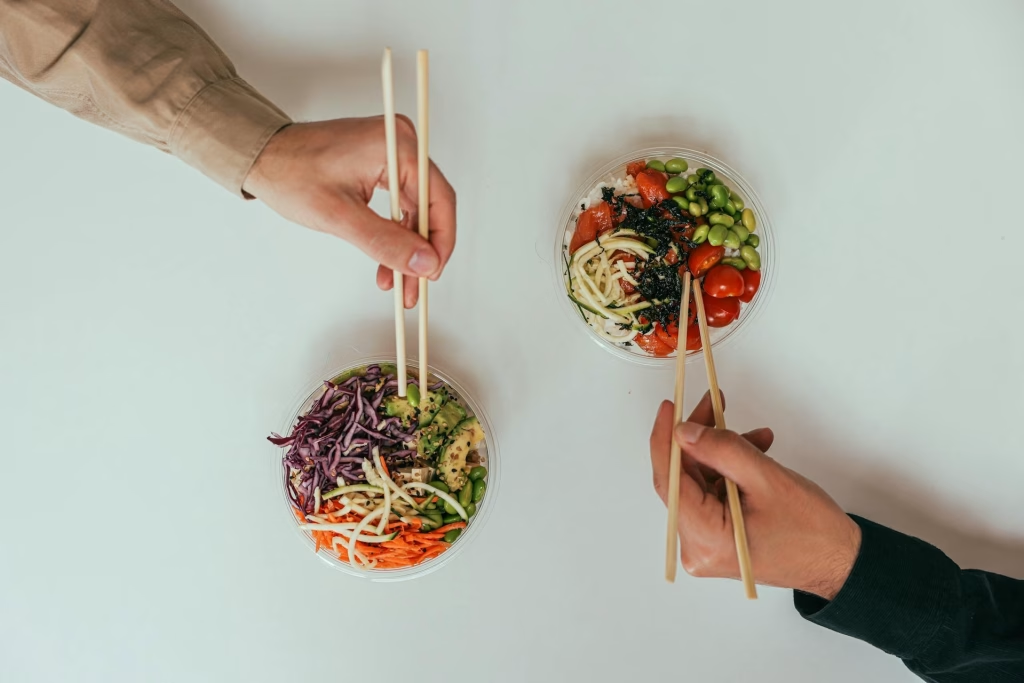
Eating with chopsticks is another way to slow down and take smaller bites. I love eating with chopsticks at home, even if I’m eating a rice dish.
I love the Japanese practice of eating until 80% full, which is called “Hara Hachi Bu” (腹八分). This phrase originates from Okinawa, where people are known for living long and healthy lives. The concept encourages mindful eating by stopping before feeling full, giving the body time to recognise satiety and avoid overeating. It aligns with traditional Japanese principles of moderation and balance, promoting better digestion, weight control, and overall well-being.
If you struggle to understand how much food you need to eat, you can journal your portions for a week, so you have a better understanding of how much food you need to hit your daily and weekly targets. We all tend to underestimate how much food we actually consume, so journaling your food for a bit can be beneficial for self-awareness.
2. Eat Your Breakfast
I used to love going for a run or heading to the gym with an empty stomach, but what I learned is that I was doing more damage than good to my body. With cortisol at its highest in the morning, not eating makes our bodies even more stressed out. And if we are exercising on an empty stomach, we actually burn not fat, but lean mass.
Consuming breakfast regularly may help maintain a healthier cortisol rhythm in women, while skipping it could contribute to elevated or dysregulated cortisol levels and related health risks like weight gain (especially abdominal), diabetes, hypertension, and weakened immune function.(13)
If you, like me, don’t feel hungry in the morning and don’t like to feel too full before the morning workout, have something light but protein-forward. Have a smoothie with protein powder. Have a bowl of yogurt with some fruit and nuts. And if you can’t stomach any food, at least add some protein powder to your coffee, but never go without any food till lunch. It will make you miserable, and you will overeat later in the day.

3. Prioritise Protein in every meal
Typically, women eat less protein than they need. Protein intake plays an important role in the health of perimenopausal women, especially in preserving muscle mass and bone strength during hormonal changes that increase risks for osteoporosis, cardiovascular disease, and metabolic disorders (2).
If you eat meat and consume dairy regularly, you should not overthink it too much. I would recommend 1g to 1.6g ( if you’re resistance training can go even higher) of protein per kilogram of your weight daily, depending on your fitness levels. I apply a simple rule to aim for 25g of protein with every meal; sometimes it is more, sometimes it is less, but I try to eat more protein on the workout days.
Make sure you go for a good quality protein and try to mix the sources. Plant-based proteins like tofu and lentils might not have full amino acid profiles, but they also come with fibre and other nutrients important for your microbiome.
If you struggle to hit your protein needs, check out How To Get Enough Protein During Perimenopause.
If you are still struggling and want to invest in good-quality plant protein powder, I have compiled a great list here: 12 Best Plant Protein Powders
4. Eat Enough Healthy Fats
For decades, women were marketed low-fat diets for a healthy life, but we now know that our bodies need healthy fat, especially when we get older. Perimenopausal women experience hormonal fluctuations that lead to metabolic changes and changed body composition. We start losing muscle mass and bone density and start gaining more visceral fat, especially around the waist (3).
Healthy fats like omega-3 fatty acids help improve lipid profiles by reducing total cholesterol, LDL cholesterol, and triglycerides while increasing HDL cholesterol, helping to prevent cardiovascular disease during this transitional period. (4)
How to add more healthy fats to your diet? This Mediterranean diet- olives and olive oil, avocados and avocado oil, nuts and seeds, and oily fish- mackerel, salmon, egg yolks. How much healthy fat should you eat? Fat is more callorific so don’t overdo it. Healthy fat should be around 20 to 30 % of your daily calories, and keep your saturated fat intake (meat, butter) under 10% (5).
5. Support Bone Density Through Nutrition in Perimenopause
Bone mineral density starts to decline slightly before menopause, with an accelerated loss during the early perimenopausal years. (10). This happens due to declining estrogen levels, but also due to a decrease in ovulatory cycles during perimenopause (11).
You might have heard about the importance of resistance training for women to maintain and increase bone density as we age, but you can also help your bones stay strong with nutrition.
Nutrition rich in whole grains, fruits (especially orange-colored), vegetables, and legumes is great if you are on a plant-forward diet.
Dairy products like yogurt and cheese, fish, white meat, and eggs all help to keep your bones healthy. (7)(8)
We all know about calcium in dairy products, but fermented dairy like yogurt and cheese is linked to lower hip fracture risk, which is crucial for our longevity, with whey protein beeing key bioactive component beneficial for women’s bone health. (9)
One of the key vitamins that keeps our bones healthy is vitamin D. If you live in a cold climate, it might be very hard to get enough vitamin D from your diet, and you should supplement.
I have listed some good options here: Best Vitamin D3 and K2 Supplements with No Fillers or Additives

6. Eat more fibre
Hormonal changes can mean that even healthy midle aged women start seeing Bad Cholesterol numbers going up. Soluble Fibre found in fruit and vegetables, beans and legumes, and some grains, is one of the key ways to help you fit this.
Fibre also feeds your gut microbiome.
You should aim to eat 25 to 28 grams of fibre every day.
If you are struggling with your daily fibre intake, check out this article:
High-Fiber Foods and Simple Tips to Boost Your Daily Intake,
Best Legumes for Protein, Fiber, and Blood Sugar: Full Comparison Guide
7. Look after your microbiome
Gut microbiome composition and diversity change significantly with age. Studies show that microbial diversity increases in young adults but plateaus around age 40. (6) Perimenopause is a time when you need to pay more attention to eating foods that keep your microbiome healthy and avoid drinks and foods that reduce microbiome diversity.
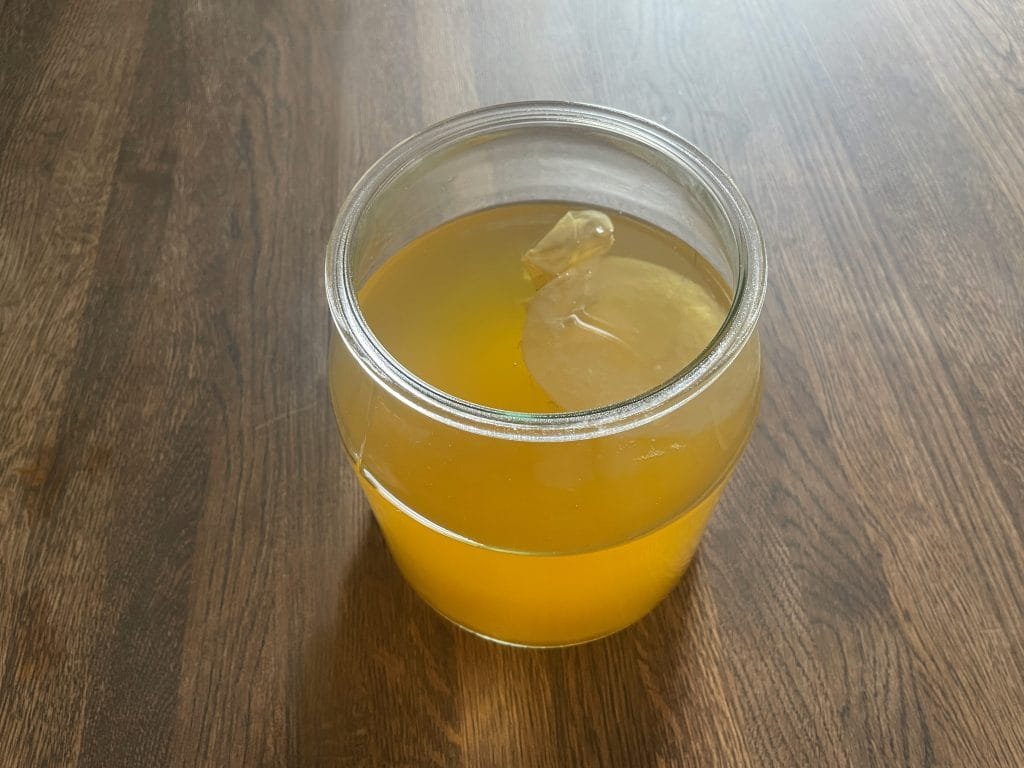
As well as eating nutritious, minimally processed food and avoid ultra prossesed food and alcohol, you need probiotics that you can get in fermented foods like yogurt, sourcrout and kombucha.
If you want to learn more about fermented foods:
8. Hydrate
Water is vital for building muscle, digestion, and energy levels. (1)(2)
There is a lot of information on how much water you should consume online, so I will not go into the details, but here is A Simple Rule: Monitor your thirst and urine colour. If your urine is pale yellow, you’re likely well-hydrated. If it’s darker, you may need more water.
If you are like me and struggle to consume enough water during winter, you can also include unsweetened green, jasmine, or any other tea you like. Tea is great for hydration and contains antioxidants like catechins and flavonoids.
Having reusable water also helps. I tend to have one with a straw for easy access. If you don’t have one, I recommend investing in a good-quality water bottle that will last you a lifetime.
If you are sweating a lot due to exercise, hot weather, or saunas, you need to make sure you not only drink water, but also replenish your electrolytes. Normally, you will get all electrolytes with food, and drinking water is fine, but on the days when you sweat a lot, you might want to have a coconut, mineral water, or a supplement with electolite drink.
If you are used to drinking sodas, transitioning straight to plain water might be difficult. Start with sparkling mineral water ( choose mineral, not soda water, as it has electrolytes needed to keep you hydrated). Add some citrus fruit, mint, or berries to enhance the flavour.
9. Enjoy your food
Food is meant to be enjoyed. Stressing about every single bite will only make your journey harder. So, relax and savour each meal.
If your favourite food is pizza and not having it will make you miserable, then have the damn pizza, but have it once a week or once a month, not every day. It will make it so much more special if you have it sparingly.
I don’t drink alcohol at all, and I mostly follow a plant-based diet, but once in a while, I love having pizza and red wine with a good Netflix show.
A healthy, balanced diet is not about restricting yourself but about enjoying nutritious food most of the time and having occasional treats. I strongly believe in an 80/20 diet. 80% of the time, your food is focused on nutrition and fulfilling your body’s needs. 20% of the time, food is there to enjoy, as it is one of the things that makes us happy.
10. Make small changes, but be Consistent
Small daily or weekly changes that are easy to implement are way more effective than a “perfect diet” that lasts three days. We should think of nutrition not as a quick fix but as something we will continue following and improving throughout life. Challenge yourself to make one positive change a week and continue with it. When it becomes second nature, add the next one.
For example, start by mindfully eating one meal daily, then move to two or three. Start your morning with a glass of water. Make a habit of keeping a glass of water or your water bottle on your bedside table so you can easily reach it first thing in the morning. Then, move to adding one glass before dinner, and so on.
You can also learn about small swaps you can make in your diet here:
A Bonus tip:
A healthy nutrition journey starts way before your first bite. The most important thing is to try to plan your meals in advance and go to a supermarket prepared to buy only the food you need.
Willpower is extremely overrated, and if you have junk food in the house, you will eat it at some point.
To make it hard to order junk delete food delivery apps from your phone. Make healthy food visible and unhealthy hard to get, and you will set yourself on the right path.
No matter how healthy we eat, our bodies need a bit more help. There are a few supplements for perimenopause that are proven to help support our bodies through this transition. If you want to learn more, read:
To summarise Nutrition Tips For perimenopause :
These are my simple nutrition tips that can help you stay healthier and balanced during perimenopause. You might have noticed that the tips are simple. They do not require calorie or nutrient logging, restrictions, or eliminating food groups. It’s mostly about eating whole foods, being more mindful, listening to our hunger cues, and stopping eating before we are full.
The best nutrition tips are about enjoyment and choosing to eat real food that is good for your body in the portions your body needs.
You don’t need to implement all these tips in one go. Start one by one, perimenopause nutrition is about being more conscious and understanding what our bodies need, instead of chasing trends.
If you enjoyed this article and want to learn more about building healthy eating habits, feel free to reach out through email or social media. I’d love to help! If you would like a personalised consultation, drop me an email.
Health & Safety Note: This post is for informational purposes only. Individual needs vary – if you have any injuries, health conditions, or concerns, consult a healthcare professional before making changes to your exercise or nutrition routine.
- Junejo, S., Hoor, T., & Riaz, M. (2021). Appropriate Hydration Can Make a Difference. Life and Science. https://doi.org/10.37185/lns.1.1.214.
- Erdélyi, A., Pálfi, E., Tűű, L., Nas, K., Szűcs, Z., Török, M., Jakab, A., & Várbíró, S. (2023). The Importance of Nutrition in Menopause and Perimenopause—A Review. Nutrients, 16. https://doi.org/10.3390/nu16010027.
- Orlova, S., & Nikitina, E. (2023). The role of lipotropic factors in the correction of metabolic disorders in women during the perimenopausal period. Medical alphabet. https://doi.org/10.33667/2078-5631-2023-19-7-15.
- Cannella, F., Algaria, E., Brunetti, K., Del Quondam, S., Bottan, D., Cervia, D., & Catalani, E. (2025). Synergistic effects of Mediterranean diet combined with phytosterol-based supplements and omega-3 fatty acids on lipid profiles: a pilot study in menopausal women. Frontiers in Nutrition, 12. https://doi.org/10.3389/fnut.2025.1645102.
- Schwingshackl, L., Zähringer, J., Beyerbach, J., Werner, S., Nagavci, B., Heseker, H., Koletzko, B., & Meerpohl, J. (2021). A Scoping Review of Current Guidelines on Dietary Fat and Fat Quality. Annals of Nutrition and Metabolism, 77, 65 – 82. https://doi.org/10.1159/000515671.
- De La Cuesta-Zuluaga, J., Kelley, S., Chen, Y., Escobar, J., Mueller, N., Ley, R., McDonald, D., Huang, S., Swafford, A., Knight, R., & Thackray, V. (2019). Age- and Sex-Dependent Patterns of Gut Microbial Diversity in Human Adults. mSystems, 4. https://doi.org/10.1128/msystems.00261-19.
- Rondanelli, M., Faliva, M., Barrile, G., Cavioni, A., Mansueto, F., Mazzola, G., Oberto, L., Patelli, Z., Pirola, M., Tartara, A., Riva, A., Petrangolini, G., & Peroni, G. (2021). Nutrition, Physical Activity, and Dietary Supplementation to Prevent Bone Mineral Density Loss: A Food Pyramid. Nutrients, 14. https://doi.org/10.3390/nu14010074.
- Movassagh, E., & Vatanparast, H. (2017). Current Evidence on the Association of Dietary Patterns and Bone Health: A Scoping Review.. Advances in nutrition, 8 1, 1-16 . https://doi.org/10.3945/an.116.013326.
- You, L., Wang, L., Zhou, S., Guan, Y., Liu, Y., Zhu, R., Chen, H., Guo, J., Li, K., Bao, X., Feng, H., Szeto, I., He, J., Wang, R., & He, J. (2025). Comparing the Effects of Dairy and Soybean on Bone Health in Women: A Food- and Component-Level Network Meta-Analysis. Nutrients, 17. https://doi.org/10.3390/nu17172833.
- Ho-Pham, L., Nguyen, H., Nguyen-Pham, S., Hoang, D., Tran, T., & Nguyen, T. (2023). Longitudinal changes in bone mineral density during perimenopausal transition: the Vietnam Osteoporosis Study. Osteoporosis International, 34, 1381-1387. https://doi.org/10.1007/s00198-023-06757-z.
- Starrach, T., Santl, A., & Seifert-Klauss, V. (2022). Perimenopausal Bone Loss Is Associated with Ovulatory Activity—Results of the PeKnO Study (Perimenopausal Bone Density and Ovulation). Diagnostics, 12. https://doi.org/10.3390/diagnostics1
- Erdélyi, A., Pálfi, E., Tűű, L., Nas, K., Szűcs, Z., Török, M., Jakab, A., & Várbíró, S. (2023). The Importance of Nutrition in Menopause and Perimenopause—A Review. Nutrients, 16. https://doi.org/10.3390/nu16010027.
- Witbracht, M., Keim, N., Forester, S., Widaman, A., & Laugero, K. (2015). Female breakfast skippers display a disrupted cortisol rhythm and elevated blood pressure. Physiology & Behavior, 140, 215-221. https://doi.org/10.1016/j.physbeh.2014.12.044.

Silvija Meilunaite, PN1-NC, CSMC, is a certified nutrition coach and menopause coaching specialist writing from personal experience of perimenopause. She covers midlife health, hormone-supportive nutrition, and non-toxic living with a research-driven approach, helping women over 40 feel informed, strong, and healthy.