An average woman eats less protein than she needs, and it is especially true if you are on a plant-based diet, or are minimising animal-based foods. Protein needs increase significantly during perimenopause – not just for muscle maintenance but for bone density, metabolic health, and hormonal balance. If you follow a plant-based diet, hitting those targets takes a little more planning, but it’s very manageable once you know which foods to lean on.
This article will help you understand how much protein you need, what foods to eat to hit your targets, and I have even included some very simple recipes for breakfast, luch and dinner to help you start on hitting those protein requirements.
Quick Summary:
- Protein needs increase during perimenopause – aim for 1.2g to 1.6g per kg of body weight daily
- The best plant-based protein sources are tofu, tempeh, edamame, lentils, soy milk and yoghurt, nutritional yeast, hemp, and chia seeds
- Add protein to every meal rather than trying to hit your target in one sitting
- Soy-based proteins have an added bonus during perimenopause – their phytoestrogens may help ease hormonal fluctuations
- If you struggle to hit your daily target through food alone, a clean plant-based protein powder is a practical and effective top-up
How much protein do women need during perimenopause?
There is quite a bit of slightly contradicting information about protein needs for women in perimenopause. It also depends on many factors, like your fitness level and how much you move in general. I am basing the numbers here on the numbers provided in my menopause certification by GGS Academy, and also looking at the most up-to-date studies.
As mentioned before, everyone’s requirements are unique, but generally, women need at least 0.4- 0.5 grams per pound (or 0.8-1.1 grams per kilogram) of body weight to prevent deficiency. But this means surviving, not thriving, in many cases. (1)
The International Society of Sports Nutrition advises that active and strong peri- and post-menopausal women should aim for daily protein intakes in the mid- to upper range of 0.64–1.0 grams of protein per pound (1.4-2.2 g/kg/day) (2).
Protein intake around 0.32-0.38 g/kg per meal is suggested to support muscle remodeling and repair, especially important during hormonal changes in perimenopause (3). I am for around 30g per meal as I weigh 58 kg, so it works ot aroud 1.6 g/kg.
The best plant-based food for protein
Keep this high-protein plant-based food table printed out on your fridge. When you want to add extra protein to your dish, you can glance at it and add the ingredients. Just keep in mind portion sizes; sometimes, you should only add half of the portion, for example, spirulina. If you don’t like the taste of it, you can still add it; just be a bit more sparing.
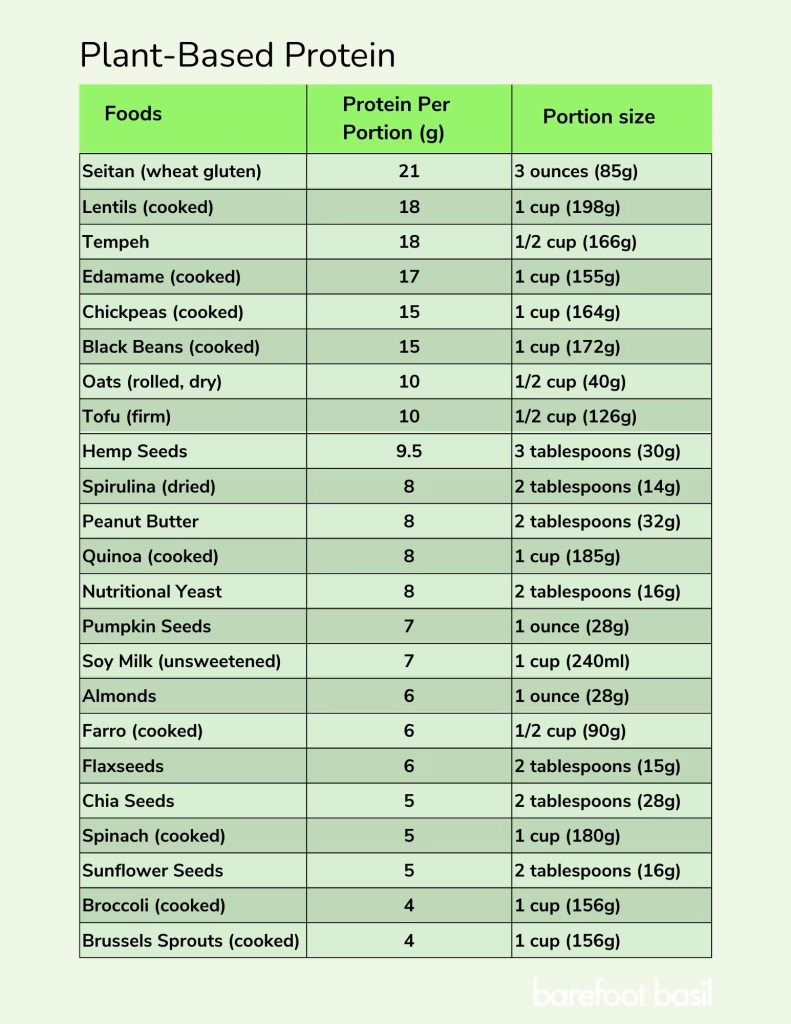
Please note that the protein values in this table are approximate.
Let’s keep it simple: if you gradually start implementing these steps, you will not need to worry about having enough protein in your diet.
1. Add Tofu To Creamy Sauces.
Tofu and tempeh are great primary protein sources, but tofu can also be versatile in creamy sauces. For a protein-packed sauce, blend tofu with white beans, lemon juice, garlic (black or regular), and nutritional yeast.”
You can also sneak in some tofu to your favorite hummus.
2. Sprinkle Nutritional Yeast In Your Stews, Sauces, Salads And Instead Of Cheese.
Nutritional yeast is a good source of B12 and boosts the protein content in your favourite dishes. It adds a cheesy flavour, so you can be pretty generous with it. Two spoons will add 8g of protein to your stew or souse.
3. Add Spirulina To Your Smoothies.
Most people hate the taste of spirulina, but it is so nutrient-dense that I learned to accept it. I consume it in two ways: I take a capsule or add a very small amount to my smoothies, and I don’t even feel it. Make sure you pick good quality spirulina that has been third-party tested for heavy metals. Learn more about spirulina here.
4. Swap Your Wholewheat Pasta For Lentil Pasta
Lentils are a great source of protein, so I incorporate them in stews or make dall often. But my newest discovery is lentil pasta. It tastes great, and the 100g portion has anywhere from 11g to 14 grams of protein. This is quite a significant increase compared to regular pasta, which has an average of 5g of protein. You can learn more about what pasta is the healthiest here.
5. Add Edamame Beans To Salads Or Make Edamame Spreads
Edamame beans are good as a starter and before you eat sushi. They are amazing in all home cooking, boosting your protein intake and adding vibrant green colour to your cooking. One cup contains 17g of protein, which is easy to add.
6. Use Soy Milk And Yoghurt
If your main goal is to increase protein, soy is a clear winner. And if you are like me and haven’t mastered delicious recipes for tofu or tempeh yet, soy milk and yoghurt are the best bet. Just make sure to choose organic, no-added-sugar soy milk or yoghurt. You can learn about the best plant-based milks for your needs here.
7. Sprinkle Chia, Hemp Seeds and flax seeds.
You have all seen the chia seed water trend, but chia seeds can be used in many other ways. My even more used seeds are flax seeds and hemp seeds. Sprinkling some of them in your food will add protein without you noticing.
A tip for flax seeds: Buy them whole and grind small amounts in your blender so they stay fresh and more nutritious.
8. Add Plant-Based Protein Powder.
You would avoid using protein powders in an ideal world where you have the whole day to plan out and cook your meals. However, we live in a very fast-paced world and have a lot of responsibilities, so sometimes, if you had a good workout and run out of time to prepare a meal that is complete with the exact amount of protein you need, add a good quality plant-based protein to your smoothie or porridge bowl. Choose a plant-based protein with a good mixture of amino acids and no artificial or bulking ingredients. You can see a list of plant-based protein powders here.
And if you’re not sure how to choose the best protein powder for your needs, you will find all the information in this article: Choosing the best plant-based protein powder.
Check out this video if you want to learn more about Plant-based foods rich in protein.
Here are a few simple ideas for easy and quick high-protein meals. Calculating protein or any other nutrient precisely outside a lab is extremely difficult. I wouldn’t recommend weighing every ingredient as it sucks the joy out of food. These are simple recipes with rough protein estimates just for you to understand better. If you would rather weigh the portions initially, please do so if it makes it easier, but I don’t think you need to be so precise.
High-Protein Plant-Based Breakfast Ideas
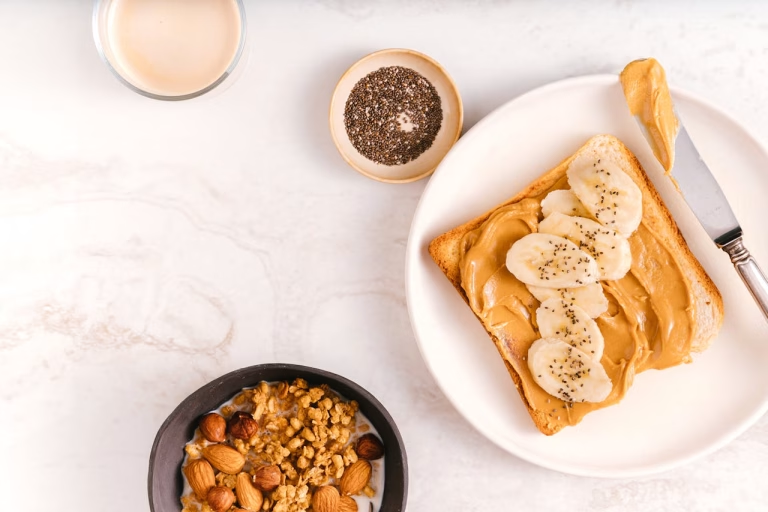
1. Peanut Butter on Sourdough Bread with Banana and Chia Seeds
Ingredients and Protein Content:
– Sourdough bread (1 slice): ~4g protein
– Peanut butter (2 tablespoons): ~8g protein
– Banana (1 medium, ~100g, sliced): ~1g protein
– Chia seeds (1 tablespoon): ~3g protein
Total Protein: ~16g protein
Instructions:
- Toast the sourdough bread.
- Spread the peanut butter evenly on the toast.
- Add banana slices on top and sprinkle with chia seeds.
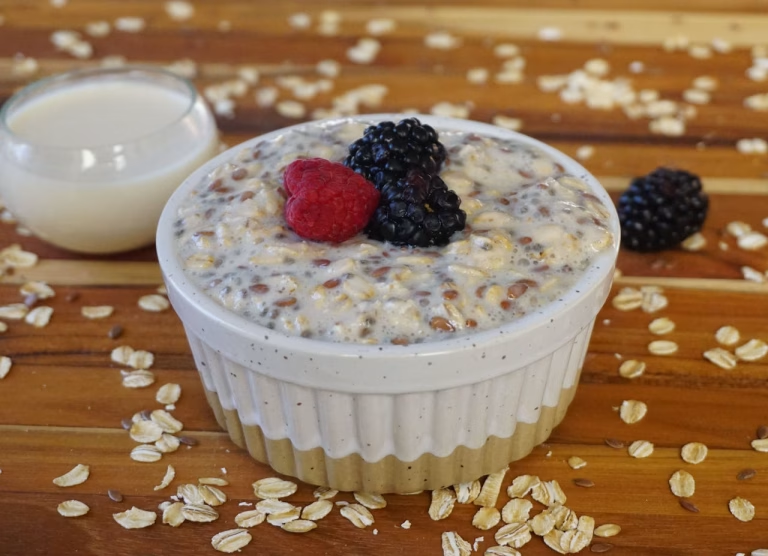
2. Overnight Oats with Chia Seeds and Soy Milk with Added Hemp Seeds, Nuts, and Berries
Ingredients and Protein Content:
– Rolled oats (1/2 cup or ~40g): ~5g protein
– Chia seeds (2 tablespoons): ~6g protein
– Soy milk, unsweetened (1 cup or 240ml): ~7g protein
– Hemp seeds (1 tablespoon): ~3g protein
– Mixed nuts (1 tablespoon): ~2.5g protein
– Mixed berries (1/2 cup): ~0.5g protein
– Peanut butter (1 teaspoon): ~2g protein
Total Protein: ~26g protein
Instructions:
- Combine oats, chia seeds, soy milk, and peanut butter in a bowl or jar. Mix well.
- Cover and refrigerate overnight.
- Sprinkle hemp seeds, mixed nuts, and berries in the morning.
Tip: Add a scoop of plant-based protein powder to increase the total to ~30g.
3. Edamame Spread Breakfast on Whole-Grain Toast
Ingredients and Protein Content:
– Edamame (shelled, cooked): 1/2 cup (~78g): ~8.5g protein
– Silken tofu: 1/4 cup (~62g): ~4g protein
– Tahini: 1/2 tablespoon: ~1.3g protein
– Lemon juice: 1/2 tablespoon: 0g protein
– Garlic: 1/2 clove, minced: ~0.1g protein
– Olive oil: 1/2 tablespoon: 0g protein
– Salt: 1/8 teaspoon: 0g protein
– Whole-grain toast (1 slice): ~4g protein
– Hemp seeds (optional topping): 1/2 tablespoon: ~1.5g protein
Total Protein: ~17.9g protein (without hemp seeds) or ~19.4g protein (with hemp seeds).
Instructions:
- Blend edamame, tofu, tahini, lemon juice, garlic, olive oil, and salt in a food processor until smooth. Add water to adjust consistency if needed.
- Toast the whole-grain bread.
- Spread the edamame mixture on the toast and sprinkle with hemp seeds.
High-Protein Plant-Based Lunch Ideas
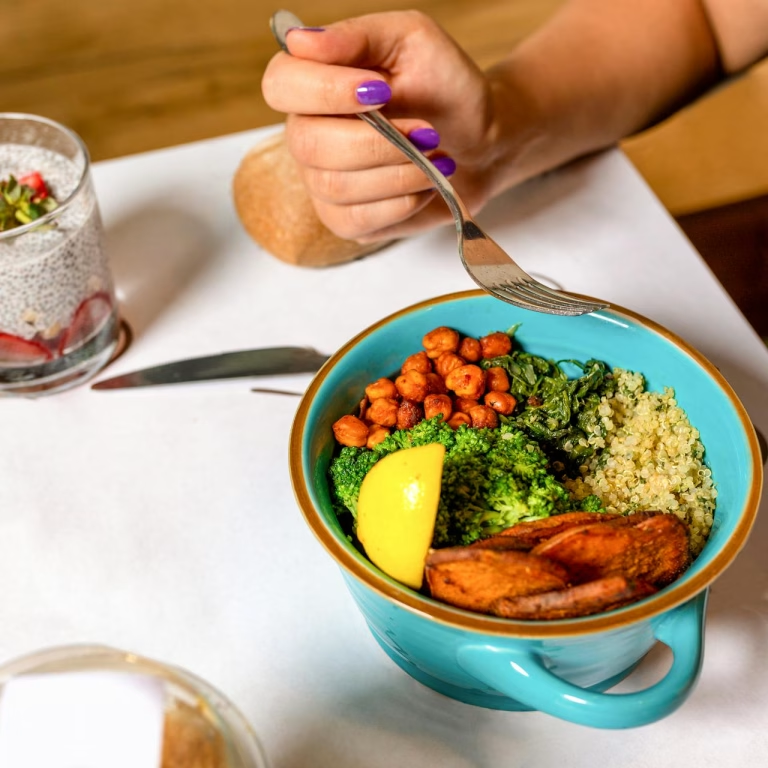
1. Quinoa Chickpea Salad
Ingredients and Protein Content:
– Quinoa: ~8g protein (1 cup, cooked)
– Chickpeas: ~15g protein (1 cup)
– Spinach: ~2g protein (1 cup)
Total Protein: ~25g protein
Instructions:
- Combine cooked quinoa, chickpeas, and spinach in a large bowl.
- Add diced cherry tomatoes and cucumbers.
- Toss with tahini dressing or your favourite souse.
2.Edamame and Avocado Wrap
Ingredients and Protein Content:
– Whole-grain wrap: ~5g protein (1 wrap)
– Shelled edamame: ~17g protein (1 cup)
– Hummus: ~2g protein (1 tablespoon)
– Spinach: ~2g protein (1 cup)
Total Protein: ~24g protein
Instructions:
- Mash avocado and mix it with shelled edamame.
- Spread hummus on the wrap and add the edamame mixture.
- Top with spinach and roll tightly.
3. Veggie and Hummus Grain Bowl with Chickpeas
Ingredients and Protein Content:
– Farro: ~6g protein (1 cup, cooked)
– Roasted veggies (zucchini, bell peppers, eggplant): ~4g protein (1 cup)
– Hummus: ~5g protein (3 tablespoons)
– Chickpeas: ~7.5g protein (1/2 cup, cooked)
– Arugula: ~0.5g protein (1 cup)
Total Protein: ~23g protein
Instructions:
- Cook farro according to package instructions.
- Roast veggies in the oven with olive oil, salt, and pepper.
- Assemble the bowl with farro, roasted veggies, chickpeas, and hummus. Top with arugula.
High-Protein Plant-Based Dinner Ideas

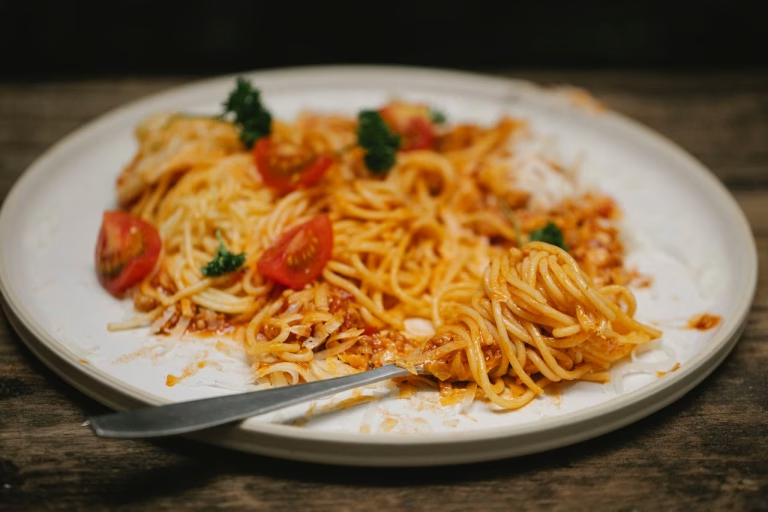
2. Plant-Based Pasta with Lentil Bolognese
Ingredients and Protein Content:
– Whole-grain pasta: ~8g protein (1 cup, cooked)
– Lentils: ~18g protein (1 cup, cooked)
– Tomato sauce: ~1g protein (1/2 cup)
Total Protein: ~26g protein
Instructions:
- Cook pasta according to package instructions.
- In a pan, sauté garlic. Add tomato sauce and cooked lentils. Simmer for 10 minutes.
- Serve lentil bolognese over pasta and garnish with fresh basil.
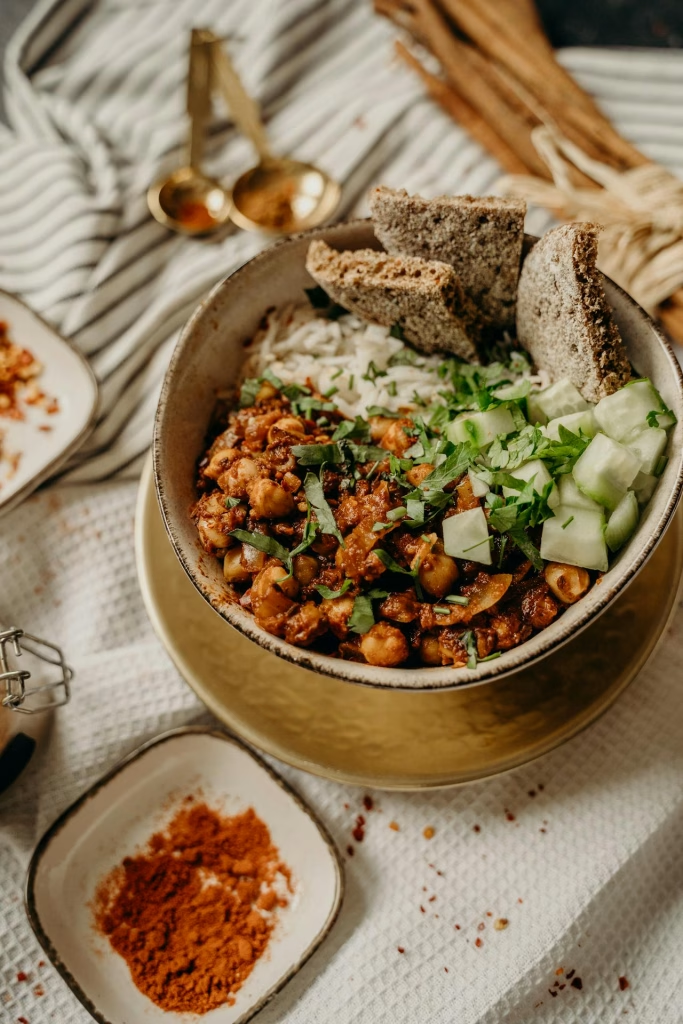
3. Chickpea and Spinach Stew
Ingredients and Protein Content:
– Chickpeas: ~7.5g protein (1/2 cup)
– Spinach: ~1g protein (1 cup)
– Red lentils: ~6g protein (1/2 cup)
– Edamame: ~4.25g protein (1/2 cup)
– Nutritional yeast: ~2g protein (2 tablespoons)
– Diced tomatoes, onion, and garlic: ~1.2g protein (combined)
– Vegetable broth: ~1g protein (1 cup)
Total Protein Without Sides: ~23g protein
Instructions:
- Heat olive oil in a pot; sauté diced onion and minced garlic.
- Add chickpeas, red lentils, diced tomatoes, and vegetable broth. Simmer for 15 minutes.
- Stir in spinach, edamame, and nutritional yeast. Cook until spinach wilts.
With a Side:
– Quinoa (1/2 cup cooked): ~4g protein
– Whole-grain bread (1 slice): ~4g protein
Total Protein With a Side:
~27g protein
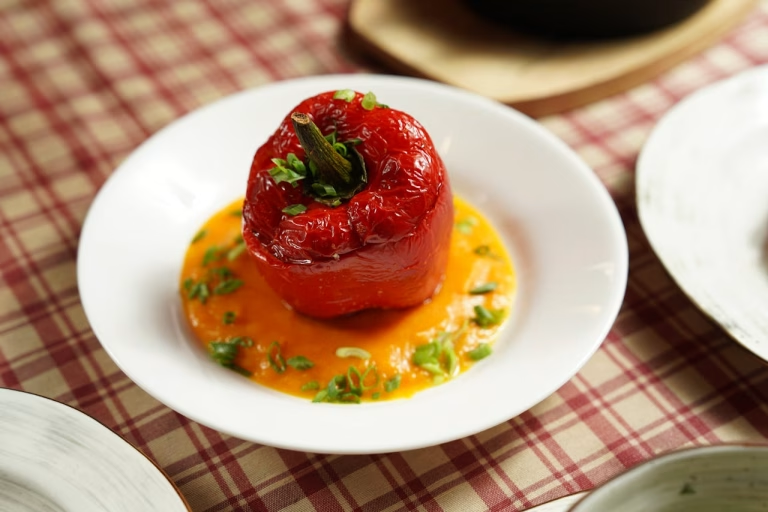
4. Stuffed Bell Peppers
Ingredients and Protein Content:
– Bell peppers: ~1g protein (1 medium pepper)
– Quinoa: ~8g protein (1 cup, cooked)
– Black beans: ~15g protein (1 cup, cooked)
– Nutritional yeast: ~4g protein (2 tablespoons)
Total Protein: ~27g protein
Instructions:
- Cut the tops off the bell peppers and remove the seeds.
- Mix a bowl of quinoa, black beans, and nutritional yeast. Stuff the peppers with the mixture.
- Bake at 375°F (190°C) for 25-30 minutes until the peppers are soft.
To summarise:
This article will help you stop worrying about not getting enough protein. For women in perimenopause, following a plant-based diet, hitting protein goals takes a bit more awareness. Understanding protein-rich plant-based foods and incorporating them into your diet is quite straightforward when you learn the best plants for protein needs.
Health & Safety Note: This post is for informational purposes only. Individual needs vary – if you have any allergies, health conditions, or concerns, consult a healthcare professional before making changes to your nutrition routine.
references
- Richter M, Baerlocher K, Bauer JM, Elmadfa I, Heseker H, Leschik-Bonnet E, Stangl G, Volkert D, Stehle P; on behalf of the German Nutrition Society (DGE). Revised Reference Values for the Intake of Protein. Ann Nutr Metab. 2019;74(3):242-250. doi: 10.1159/000499374. Epub 2019 Mar 22. PMID: 30904906; PMCID: PMC6492513. https://pmc.ncbi.nlm.nih.gov/articles/PMC6492513/
- Sims, S., Kerksick, C., Smith‐Ryan, A., De Jonge, X., Hirsch, K., Arent, S., Hewlings, S., Kleiner, S., Bustillo, E., Tartar, J., Starratt, V., Kreider, R., Greenwalt, C., Rentería, L., Ormsbee, M., VanDusseldorp, T., Campbell, B., Kalman, D., & Antonio, J. (2023). International society of sports nutrition position stand: nutritional concerns of the female athlete. Journal of the International Society of Sports Nutrition, 20. https://doi.org/10.1080/15502783.2023.2204066.
- Sims, S., Kerksick, C., Smith‐Ryan, A., De Jonge, X., Hirsch, K., Arent, S., Hewlings, S., Kleiner, S., Bustillo, E., Tartar, J., Starratt, V., Kreider, R., Greenwalt, C., Rentería, L., Ormsbee, M., VanDusseldorp, T., Campbell, B., Kalman, D., & Antonio, J. (2023). International society of sports nutrition position stand: nutritional concerns of the female athlete. Journal of the International Society of Sports Nutrition, 20. https://doi.org/10.1080/15502783.2023.2204066.

Silvija Meilunaite, PN1-NC, CSMC, is a certified nutrition coach and menopause coaching specialist writing from personal experience of perimenopause. She covers midlife health, hormone-supportive nutrition, and non-toxic living with a research-driven approach, helping women over 40 feel informed, strong, and healthy.