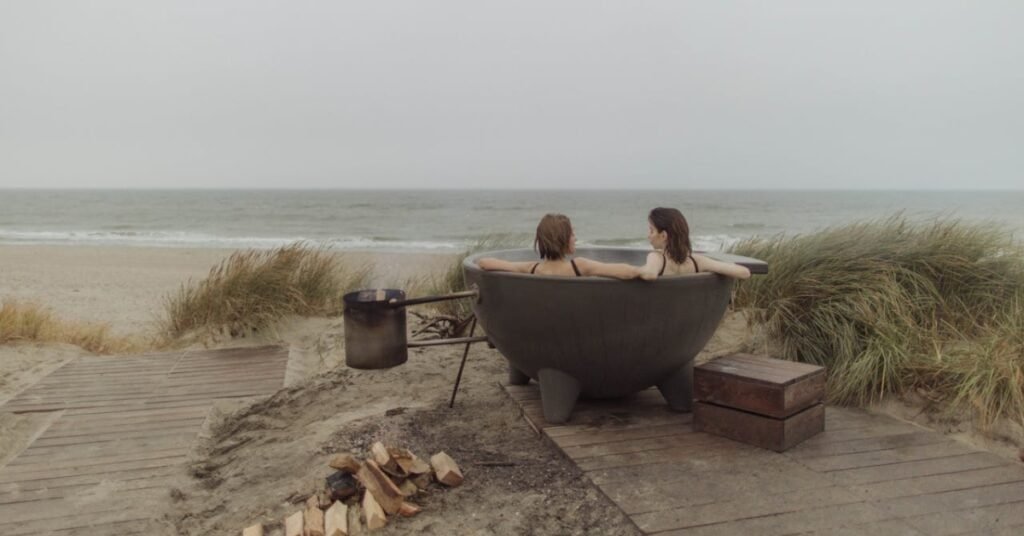
Over the last few years, wellness has started to feel a bit like fast fashion.
Trends change every season, sometimes every few months, and we’re constantly told that if we’re not doing this supplement, that workout, or this morning routine, we’re falling behind.
For many women going through perimenopause, this has led to wellness burnout. Too much information, too many contradictions, too many products, and too much pressure to optimise every part of life. Supplements, trackers, biohacks, and wellness influencer routines have made health feel overwhelming instead of supportive.
What I see emerging for 2026 is not another extreme trend, but a return to basics. Not giving up completely, but selecting what works for us in a more grounded, sustainable, and realistic human way.
These are the wellness trends I believe we’ll see more of in 2026, especially for women over 40.
TL;DR
Wellness trends in 2026 for women over 40 are moving away from extremes, optimization, back to simplicity, balance, and sustainability. Instead of doing more, the focus is on doing what actually supports long-term health – real food, balanced movement, enough sleep, personalised supplementation, nervous system recovery, and inner health through connection and meaning. Wellness becomes less performative and more personal, prioritising habits that feel good, fit real life, and can be maintained for years.
1. Back to Basics Becomes the New “Advanced.”
After years of chasing optimisation, many women are realising that the most powerful wellness practices are also the simplest ones.
- Eating real food.
- Moving regularly.
- Sleeping enough.
- Managing stress.
- Feeling connected.
In midlife, the body becomes less tolerant of extremes. What worked at 25 often backfires at 45. We are more prone to injuries, and we need more time to recover. In 2026, I see more women stepping away from rigid rules and returning to foundations that actually support long-term health.
Last year, I tried to keep up with all the wellness noise – optimize my morning routine, make sure I lift heavy, and cook every meal from scratch. By the end of the year, I felt exhausted. I did not enjoy cooking anymore and always felt tired as I was only allowing myself one day off from training. Wellness started to feel like a job, not something that I enjoy anymore. This year, after traveling for a while and resetting, I realise that 4 to 5 gym sessions a week are more than enough for me. I want to allocate more time for recovery, like a sauna or a massage. I am experimenting with quick recipes and food prep, and allowing myself one takeaway a week to make sure I minimise the time I spend in the kitchen but still enjoy cooking.
2. From Optimisation to Fun
For a while, wellness became a numbers game: steps, protein grams, sleep scores, lean body mass, recovery metrics, hormone charts. While these tools taught us a lot, they also turned health into another stressor.
In 2026, I believe we’ll keep the knowledge but drop the obsession.
Twelve thousand steps don’t have to happen on a treadmill. They can happen during a walk in nature with a friend, catching up on life. Strength doesn’t only happen in the gym – it can come from lifting your child, carrying groceries, or gardening.
Enjoyment directly affects stress hormones, nervous system health, and consistency. A walk you love will always beat a workout you hate.
We all should remember that gyms were only invented end of the 19th century, and we can find other ways to stay fit if we are not big fans of the gym culture. Yes, building and maintaining muscles is very important, but enjoying exercise is a key factor that will help you stick to it for the rest of your life.
Let’s have some fun while keeping fit; it doesn’t have to be so serious!
3. Personalised Supplementation
The supplement industry has experienced massive growth, with crazy marketing noise- powders, pills, gummies – often sold as shortcuts to health. When the Kardashians start selling creatine gummies, you know that the industry has become more about trends than your health.
In 2026, I see a shift toward intentional supplementation. Supplements returning to what the name suggests: support, not replacement.
More women are using blood tests and symptoms to guide decisions instead of taking everything “just in case”.
Personally, my focus is on what I actually need. My blood tests show low vitamin D and ferritin, so those are priorities. I don’t eat meat, so I supplement B12 to make sure I have optimal reserves. I also use targeted supplements for joint support and perimenopause, and take creatine (clean and non-favoured and definitely not gummies), but I’ve stepped away from over-supplementing and refocused on nutrient-dense food.
As there are so many supplements out there, it is crucial to do some research about the brands and quality of ingredients. Reading labels is more important than beautiful packaging or marketing campaigns in 2026.
4. Minimalist Skincare and Protecting the Skin Barrier
Skincare has followed a similar path to wellness – multi-step routines, constant product launches, and conflicting advice.
More women are now experiencing skincare fatigue and skin irritation from doing too much.
In 2026, I expect a stronger focus on:
- Fewer products
- Better active ingredient awareness
- Consistency over novelty
- Protecting the skin barrier becomes the priority, rather than chasing quick fixes. Non-toxic, gentle formulations and long-term tools like red light therapy are likely to stay, supported by growing research and innovation.
After experimenting with many brands and ingredients, I now have a simple skincare routine that changes slightly with seasons, but I only stick to ingredients that are proven to help my skin in perimenopause.
You can check out my full skincare routine with the exact products I use and what I changed to suit my perimenopausal skin.
5. Nutrition Without Ideology
Nutrition advice has become increasingly polarised – plant-based vs animal-based, saturated fat debates, alcohol confusion, protein obsession. This became even more complicated with new American nutrition guidelines (2), published as more of a political statement than an easy-to-follow guide.
Many women feel more confused than clear.
I believe 2026 will bring a return to nutritional education and simplicity:
Understanding but not overobsessing about how nutrients work:
- Eating mostly whole, minimally processed food instead of counting calories,
- Cooking more meals at home rather than relying on powders
- Enjoying food instead of fearing it and having a good, healthy balance
Protein and fibre will stay most important, but increasingly from real food rather than powders. I also expect more focus on plant-based protein sources that naturally come with fibre.
Electrolytes will remain relevant, but more women will look to food-based sources like mineral water, coconut water, and traditional ingredients rather than ultra-processed drinks.
And yes, enjoyment stays part of nutrition. A glass of wine with a friend or a pizza on a Friday night can coexist with a healthy lifestyle. Food is a fuel, but also a big part of relationships and culture.
6. Balanced Fitness Instead of Extremes
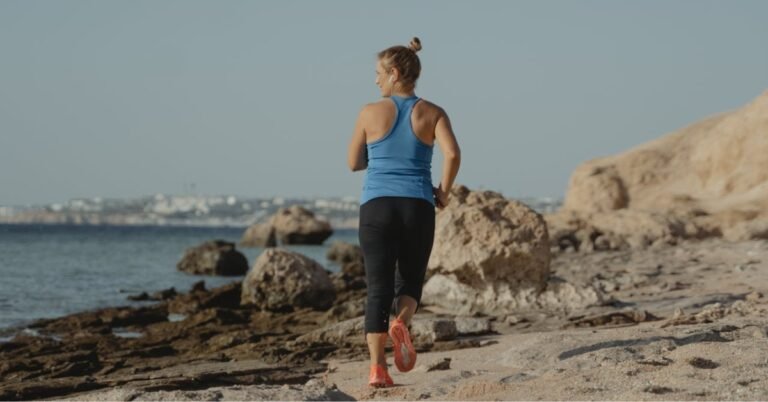
The emphasis on strength training for women has been incredibly valuable, especially for bone density, muscle mass, and aging well. And it will not go anywhere.
However, I’m seeing signs of fatigue. Constantly pushing heavier weights, chasing six packs, and maintaining very low body fat can be draining, particularly in perimenopause when your hormones are all over the place and energy levels vary day by day. Not all of us can, or need to be at the professional athlete level.
In 2026, I expect a shift toward balanced movement:
- Strength training remains important
- Cardio and aerobic fitness return to the conversation as a support
- Yoga, Pilates, and recovery-based movement are staying
- Mobility and pelvic floor health are gaining more attention for women over 40
Personally, I aim for variety – strength training, aerobic workouts, and gentler practices that support recovery. I am focusing on my pelvic floor health and mobility. This feels far more sustainable for my body and nervous system. There are also emerging studies confirming that doing different kinds of exercise is key to longevity. (1)
7. Sleep as a Non-Negotiable Foundation
Sleep has finally started to receive the attention it deserves, and this trend is only growing.
Many women are letting go of hustle culture and early-morning optimisation in favour of actual rest. Sleep trackers can be helpful, but the biggest shift is removing guilt around sleeping enough. I do feel that waking up at 5 am will not be as trendy this year.
I no longer see sleep as laziness – I see it as a requirement, especially when training or managing stress. I also accept that in the winter, when there is less sun, I do feel more sleepy, and it’s ok.
Not everyone can get eight hours every night, but prioritising sleep where possible can be life-changing. When we feel rested, we think more clearly, we don’t have as much food noise, and we have more productive days.
Many women in Perimenopause are suffering from waking up in the middle of the night, and I believe this year will be all about protocols and supplements helping to resolve it.
8. Inner Health: Community, Meaning, and Emotional Well-Being
Wellness is not just food and exercise. In 2026, I expect more attention on lifestyle factors that quietly shape our health.
This includes:
- Community and connection
- Mental and emotional health
- Spiritual practices that bring meaning
After realising how lonely hustle culture is, we will see more emphasis on being connected, finding your community, and growing together. Finding meaning in life and connection with your self an others will be as important as hitting the gym.
9. Not Chasing Trends – Choosing Sustainability
What we wear and put on our bodies is becoming more and more important, especially as we learn about microplastics and our hormonal health.
Natural fibres, fewer microplastics, and more thoughtful fashion choices will be seen in 2026. When Skims announces a natural fibre underwear collection, you know it will become more mainstream.
Even in fitness wear, I expect a slow move away from fast, influencer-led fashion toward longer-lasting, functional pieces. We will also see fewer synthetic leggings and gym bra matching sets, and more loose, breathable yoga pants and leggings from natural fabrics.
Barefoot and minimalist footwear is another area gaining momentum, with more brands innovating beyond niche companies. I think we might see even large brands looking into the barefoot market.
10. Heat, Light, and Recovery
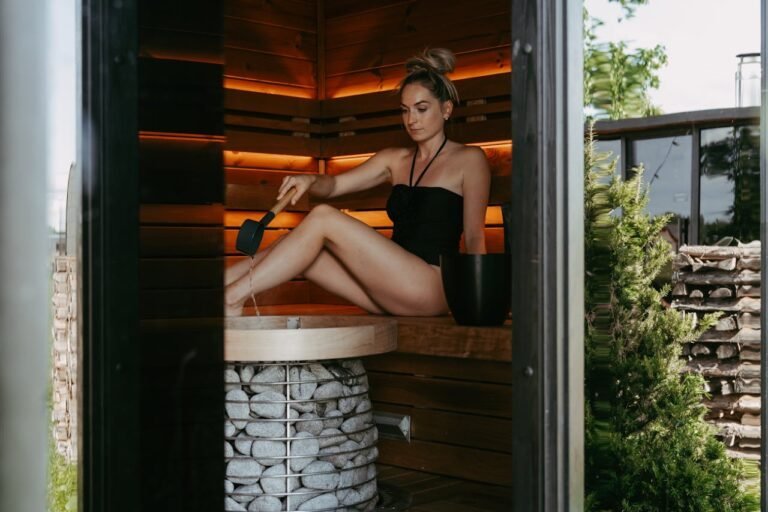
Saunas have become increasingly common in gyms, and for many people, they’re now part of a regular wellness routine rather than a luxury. I expect this trend to continue in 2026, with more sauna studios and dedicated heat spaces opening up outside of traditional gyms.
What’s interesting is that heat therapy is no longer just about muscle recovery or detox claims. For many women, it has become a way to slow down, regulate the nervous system, and spend time in a relaxed, social environment. Sauna culture is shifting toward community and restoration, not physical performance.
Alongside heat, we’re hearing more and more about the benefits of light-based therapies, particularly red light. I expect to see continued innovation in this space, with more accessible and evidence-informed tools focused on recovery, skin health, and overall well-being rather than quick fixes.
In Lithuania, where I grew up, there was always a hudle sauna culture, but I was a fan when I was a kid. Last year, I probably went to more saunas than in all my life before, as I love it! Heat makes my body feel so calm, and all my aches are gone, and I will definitely continue using saunas this year, especially in the winter months.
To summarise the wellness trends of 2026,
You probably won’t catch me waking up at 5 am for an ice bath. Not because it’s “bad”, but because it’s not sustainable or enjoyable for me.
That’s the real shift I see for 2026. Wellness becomes personal again. Less performative. Less punishing, less trendy, and more about showing up every day.
It’s no longer about living longer at all costs; it’s about living longer and better. Choosing habits that support health, joy, and consistency over the long term.
These are my wellness predictions for women over 40 in 2026.
Do they resonate with you? Is there a trend you’re ready to let go of – or something you think I’ve missed?
Let’s talk in the comments.
References
- Han H, Hu J, Lee DH, Zhang Y, Giovannucci E, Stampfer MJ, et al. Physical activity types, variety, and mortality: results from two prospective cohort studies. BMJ Medicine. 2026;5:e001513. https://doi.org/10.1136/bmjmed-2025-001513
- https://realfood.gov/

Silvija Meilunaite, PN1-NC, CSMC, is a certified nutrition coach and menopause coaching specialist. Combining current scientific research with her own experience of perimenopause, she writes evidence-based articles, practical guides, and in-depth product reviews to help women over 40 make informed decisions about nutrition, strength training, recovery, supplements, non-toxic living, and wellness products.