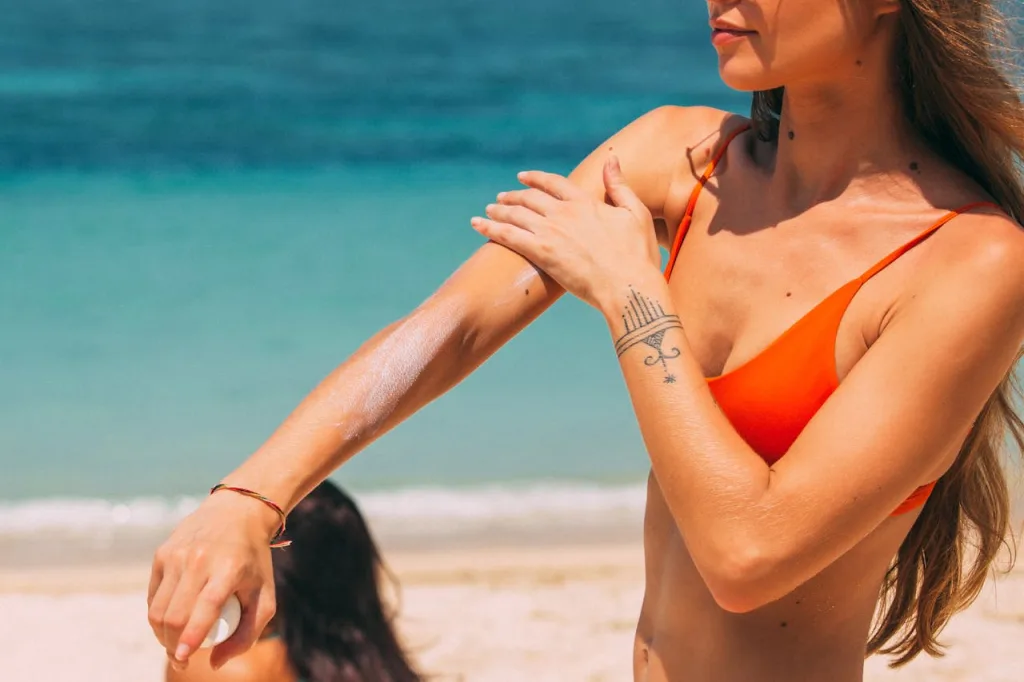
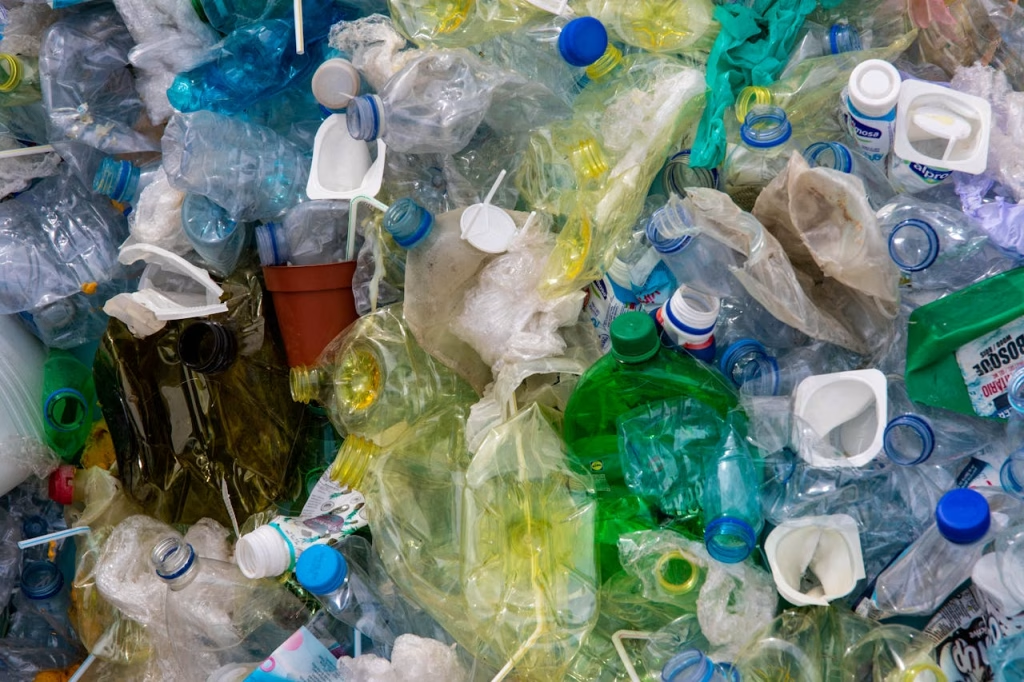
Microplastics, tiny particles of plastic, have permeated our environment. They’re in the air we breathe, the water we drink, the food we eat, and the clothes we wear.
And if you’re a woman in your 40s navigating perimenopause, this isn’t just an environmental issue; it is also affecting our hormones. Many of the chemicals on microplastics are endocrine disruptors, meaning they interfere with your hormones. During perimenopause, when estrogen and progesterone are already fluctuating, adding external hormone disruptors into the mix can make symptoms like hot flashes, mood swings, and irregular cycles worse. Chemicals like BPA and phthalates, commonly found on microplastic surfaces, have been shown to mimic estrogen in the body, and that’s the last thing we need when our own estrogen levels are already all over the place (1).
Microplastics are present in every human tissue and accumulate over time (2). I believe we will come up with solutions to eliminate them from our environment eventually, but in the meantime, here are the practical steps I’m taking to minimise my exposure, and why I think they matter even more for women over 40.
Why microplastics matter more during perimenopause
The chemicals that cling to microplastics – BPA, BPS, phthalates, and PFAS- are endocrine disruptors. They mimic or block hormones in the body, particularly estrogen. For women in perimenopause, this creates a few problems.
First, our estrogen levels are already fluctuating wildly. Adding synthetic estrogen mimics from plastic exposure can amplify symptoms like hot flashes, breast tenderness, and mood swings(1).
Second, declining estrogen reduces our body’s ability to manage inflammation effectively, and microplastic exposure has been linked to chronic low-grade inflammation in the gut (10).
This doesn’t mean you need to panic. This is the reason I have prepared the simple steps to follow to minimise microplastic exposure.
Where do our bodies accumulate the most microplastics?
From car tyres to clothing to beauty products, from the water we drink, the food we eat, and the air we breathe (2). Here is a list of how most microplastics enter our bodies:
Drinks:
- Water from plastic bottles
- Carbonated water
- Paper cups – plastic lid, especially hot liquid
- Tap water (3)(6)
Food:
- Sea salt
- Seafood
- The lining of a canned soup
- Microwavable popcorn (4) (6)
- Chewing gum
Packaging and cooking:
- Plastic containers and plastic-wrapped foods
- Nonstick pans
- Plastic cutting boards (5)
Clothing:
- Synthetic fibres from clothing and furnishings in homes
Beauty/self-care products:
- Toothpaste
- Microbeads in exfoliating scrubs
Other:
- Receipts
- Car tyres and synthetic shoe soles
Microplastics are everywhere, and we can’t avoid them. They accumulate in our bodies, so we should do all we can to minimise exposure. Microplastics are coated with toxic substances to keep the plastic even more robust. Microplastics work as carriers for these chemicals that get into our bodies. We can not escape microplastics completely, but we can be more aware, take some simple steps to minimise the exposure, and try to eliminate microplastics from our bodies.
Some strategies can be cost-saving, and some might require initial investment, but they will still save costs in the long term. Most of the solutions are good for your help but are also environmentally friendly and great for the environment.
Steps You Can Take to Reduce Your Exposure To Microplastics
1. Minimise drinking from plastic bottles.
I am travelling in Asia, and the single-use plastic situation is shockingly bad. We are blessed in Europe to drink tap water; this is not the case in Asia or South America, and many people rely on water from plastic bottles. However, there are ways to minimise plastic water bottle use, even in Asia.
Invest in a good quality stainless steel or glass water bottle that you can fill in airports and hotels. I have made a list of the best water bottles to buy, so you can choose one. If you buy a water bottle with plastic parts like a top or a straw, look out for BPA, BPS, and PFAS-free plastic.
If filtered water to fill your bottle is unavailable, buy water in glass bottles. If you don’t have a choice and need to drink water from plastic bottles, keep them cool and avoid exposure to the heat and sun.

2. Avoid drinking hot drinks from takeaway cups and plastic lids,
Cups are lined with plastic to prevent water from coming out of them. When plastic is heated, microplastics start leaching into our bodies. As with water bottles, invest in a good-quality stainless steel or ceramic mug and bring it to the coffee shop. If you must drink from a single-use coffee cup, remove the plastic lid and do not drink through it.
3. Filter your water
A reverse osmosis (RO) filtration system is a water purification method that removes contaminants by forcing water through a semipermeable membrane. This membrane allows only water molecules to pass through, blocking impurities like dissolved salts, chemicals, and microplastics.
4. Avoid Sea salt
Choose Himalayan mined from ancient salt beds and Rock Salt (Halite), typically mined from underground salt deposits, to minimise the microplastics you consume. I minimise the salt when cooking and use more spices to make the food taste good. Your taste receptors change with time, so you can gradually reduce salt intake.
5. Minimise seafood, especially shellfish.
Our oceans and the creatures living there are full of plastic. Some seafood is more plastic-polluted than others, so if you can’t avoid fish completely, keep a few things in mind.
- Shellfish like mussels, oysters, and scallops have the highest concentrations of microplastics. They are filter-feeding organisms that draw in water to extract nutrients, accumulating microplastics in the water. Another reason shellfish accumulate more microplastics is that they live close to shorelines, where microplastics accumulate.
- Fish also accumulate microplastics, but most are found in their digestive systems. So, compared to shellfish, which we tend to eat all the time, we tend not to eat fish intestines, so we minimise our exposure to microplastics.
6. Eat homemade soup and popcorn.
Tinned soup is a quick, convenient food, but unfortunately, it is full of microplastics, salt, and other additives. I would always recommend cooking soup fresh, and if you are short on time, buy frozen vegetables to chop up to speed up the making process.
Like single-use coffee cups, microwave popcorn is lined with plastic to prevent oil leaking. When you heat it, you get a “nice” serving of plastic on your food.
I love popcorn. It is easy to make in a pot and takes less time than prepackaged.
7. Minimise chewing gum
We would probably suspect that synthetic chewing gum would shed microplastics, but a recent study shows that even natural chewing gum sheds microplastics. (7) As well as releasing microplastics into our bodies, chewing gums are so bad for the environment, especially if not disposed of correctly ( just have a look at a busy street in London to see how long they can stay intact).
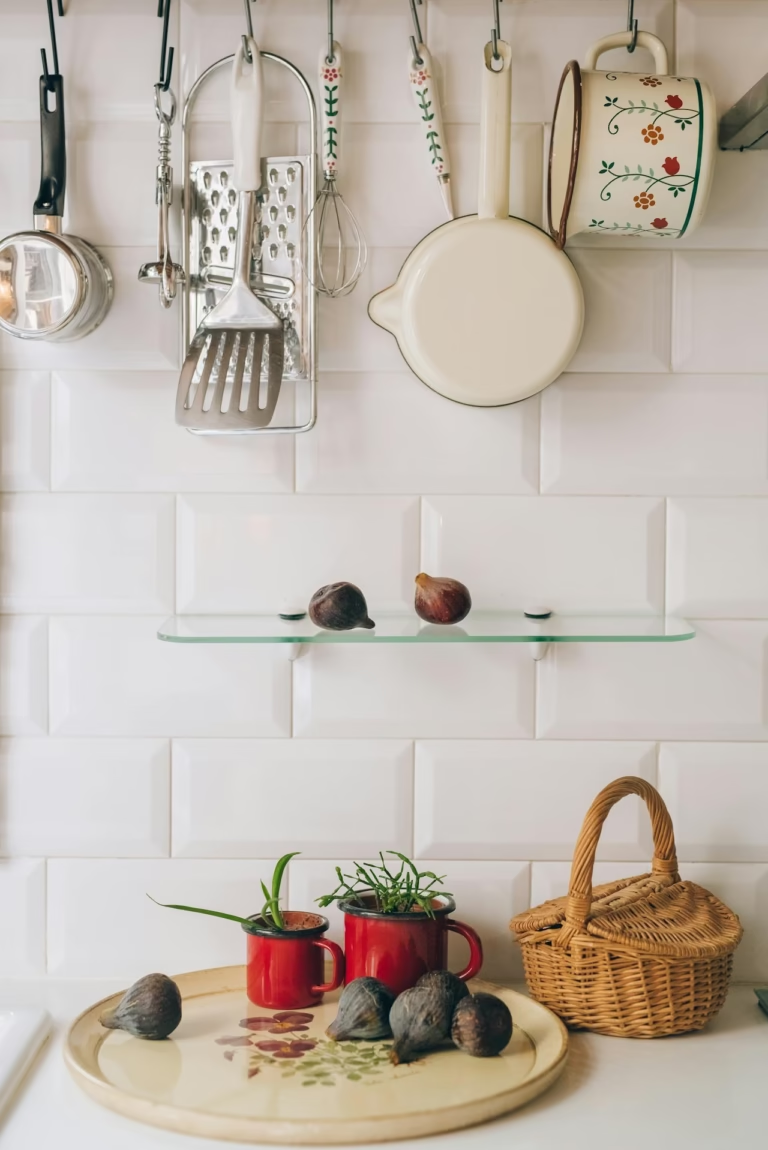
8. Avoid plastic in your kitchen.
Store your food in glass containers and avoid buying prepackaged food. It isn’t easy to do in a supermarket, so visit your closest farmers’ market as often as possible and bring your canvas bags.
Replace your plastic chopping boards with wooden ones. Try to avoid nonstick pans, but if you want to use them, make sure they are labelled free from PFOA, PTFE, and PFAS. Avoid overheating nonstick pans; consider alternatives like ceramic, cast iron, or stainless steel.
Invest in non-plastic cleaning sponges as regular cleaning sponges can shed microplastics on your plates and surfaces.
9. Wear natural-fibre clothing.
It is impossible to avoid synthetic fibres, as they are everywhere, from sports clothing and shoes to coats to furniture fabrics, rugs, and curtains. Invest in clothing made from natural fibres like cotton, linen, bamboo, or hemp. We probably wear the most synthetic fibres in the gym. Pretty much all leggings are made form syntetic fibres derived from plastic. The great news is that some amazing brands make natural fibre leggings, so you don’t need to worry about the microplastic exposure.
Try to wear loose, natural fibre clothing in the gym, like wide yoga pants, shorts made from terry. And don’t forget the underwear, as it sits the closest to your body in the body parts that sweat a lot.
10. Revisit your beauty products.
Beauty and hygiene products are mostly packaged in plastic tubes or contain plastic. I like to buy my moisturiser in glass packaging and try to avoid synthetic scrubs that might contain microplastics and other chemicals that can penetrate your skin.
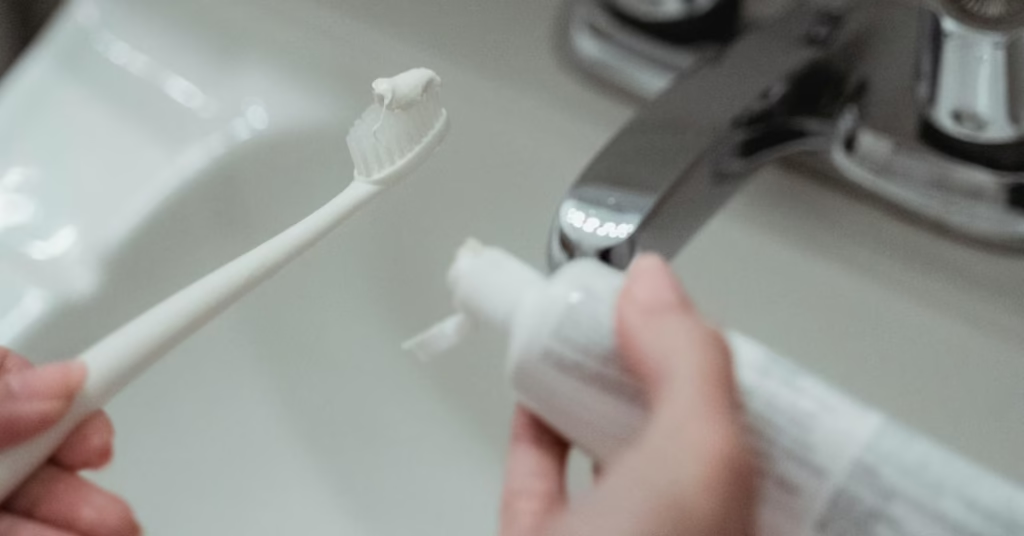
One of the most significant microplastic contributors in this category is toothpaste. The solution is toothpaste tablets, which are also great for travelling; there are plenty of brands to choose from, which reminds me to get some myself.
11. Other preventions.
If you have to stay in heavy traffic conditions, wearing a facemask can help. N95 or FFP2/FFP3 Masks are designed to filter out 95% of airborne particles as small as 0.3 microns, including many microplastics. They form a tight seal around the nose and mouth, minimizing exposure. Ironically, facemasks are made from synthetic materials. To prevent them from shedding, you should only use facemasks once and discard them, leading to more environmental microplastics.
Receipts, particularly thermal paper ones, are often coated with chemicals like bisphenol A (BPA) or S (BPS) that can be absorbed through our skin and leach to the environment when discarded. Try to opt out of no or digital receipts when you can. I always ask a cashier to bin it for me.
12. Get yourself an air purifier.
A cleaner with HEPA and activated carbon filters captures airborne microplastics and improves indoor air quality. To find the best Air Purifier for your needs, read The Best Air Purifier Brands. I have had an air purifier for almost a year now, and I don’t imagine my life without it. It filters not only microplastics but also other pollutants in our homes.
How do you get rid of microplastics in your body?
We all inevitably get exposed to microplastics, even if we take all the right steps to avoid them as much as possible. Here are some things you can do to help your body flush them out.
1. Eat cruciferous vegetables
If you don’t know what they are, here is the list of the most popular ones:
Broccoli, Cauliflower, Cabbage, Brussels Sprouts, Kale, bok choy, Collard Greens, Arugula, Radishes, and Turnips.
Cruciferous vegetables help detoxify the liver and eliminate toxins, including microplastics.
2. Eat more fiber
Recent studies have shown that consuming more fiber can help prevent microplastics from entering the bloodstream. (8)
3. Sweat
When we lose liquids in our bodies, we also lose toxins, including microplastics. The more you sweat, the more you get rid of. So gym sessions and saunas are your friends. Just make sure you are not wearing synthetic fibres when in the gym and choose natural materials.
4. Support your liver
Your liver is your main detox organ, and during perimenopause, it’s already working harder to process fluctuating hormones. Supporting it with foods like cruciferous vegetables (broccoli, kale, cauliflower), adequate protein, and limiting alcohol helps your body deal with both hormonal metabolites and the toxins carried by microplastics. This is also why I cut back on alcohol; my liver has enough to do without adding that to the load.
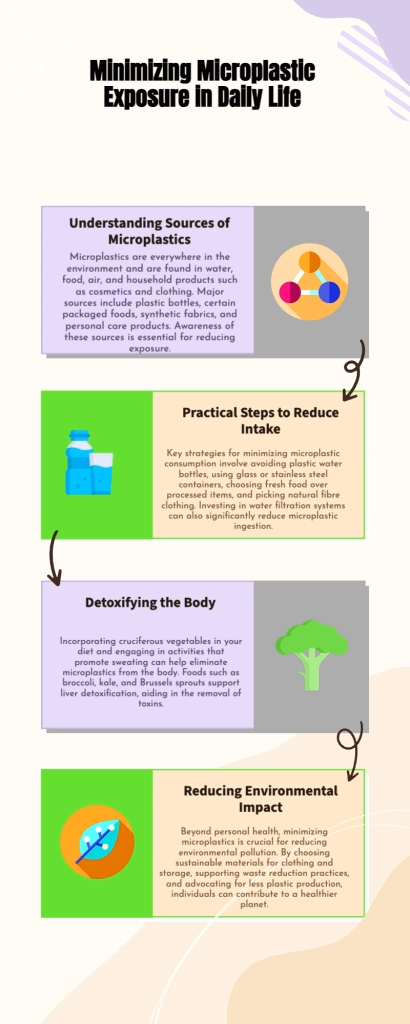
Unfortunately, microplastics are everywhere, and we need to be more conscious of our daily decisions to minimise our exposure and the production of plastics.
Let’s hope that soon we will have solutions that will help us to get rid of it, but for now, it is good to be aware and do our best.
For now, it is up to you to be more conscious of your daily decisions to make sure you minimise exposure

Microplastics And Our Pets
While writing this article, I kept thinking of my dog. Dogs are exposed to microplastics as much as we are, and it is important to consider how to minimise their exposure so they can live happy and long lives with minimal microplastics in their bodies. Remember that the pet industry is way less regulated than the human industry, so you must pick the items with even more care.
The key is to think of their bedding, toys, food bowls, and chews.
- Make sure their bedding and clothes are from natural fibres
- Only let them play with toys made from cotton or bamboo fibre. Only buy eco toys with cotton wool fibres instead of synthetic Polyester Fiberfill. Especially if your dog, like mine, likes to chew and suck their toys.
- Avoid plastic chews and only give them safe, natural chews like bone, antlers, etc.
- Avoid plastic water and food bowls; choose stainless steel or ceramic ones. This includes travel bottles and bowls. If you use plastic bowls, ensure they are BPA, BPS and PFAS-free and keep them away from the sun and heat.
- Keep their food in plastic-free packaging.
- Don’t let them roll on artificial turf. The “grass” in artificial turf is made from plastics like polyethene or polypropylene, which degrade and break into small fragments over time. If your dog is like mine and is obsessed with it, make sure you don’t let them roll on it regularly.
- Don’t give your dog tennis balls. The outer felt layer on tennis balls is often made from synthetic materials like nylon or polyester, which shed microplastics.
If you want to learn more about microplastics and how to minimise the exposure to them, here are some good resources:
The Effects of Microplastics on Your Health & How to Reduce Them by Huberman Lab
What Microplastics Are Doing to the Brain, Body, and Reproductive Systems by Dr. Rhonda Patrick
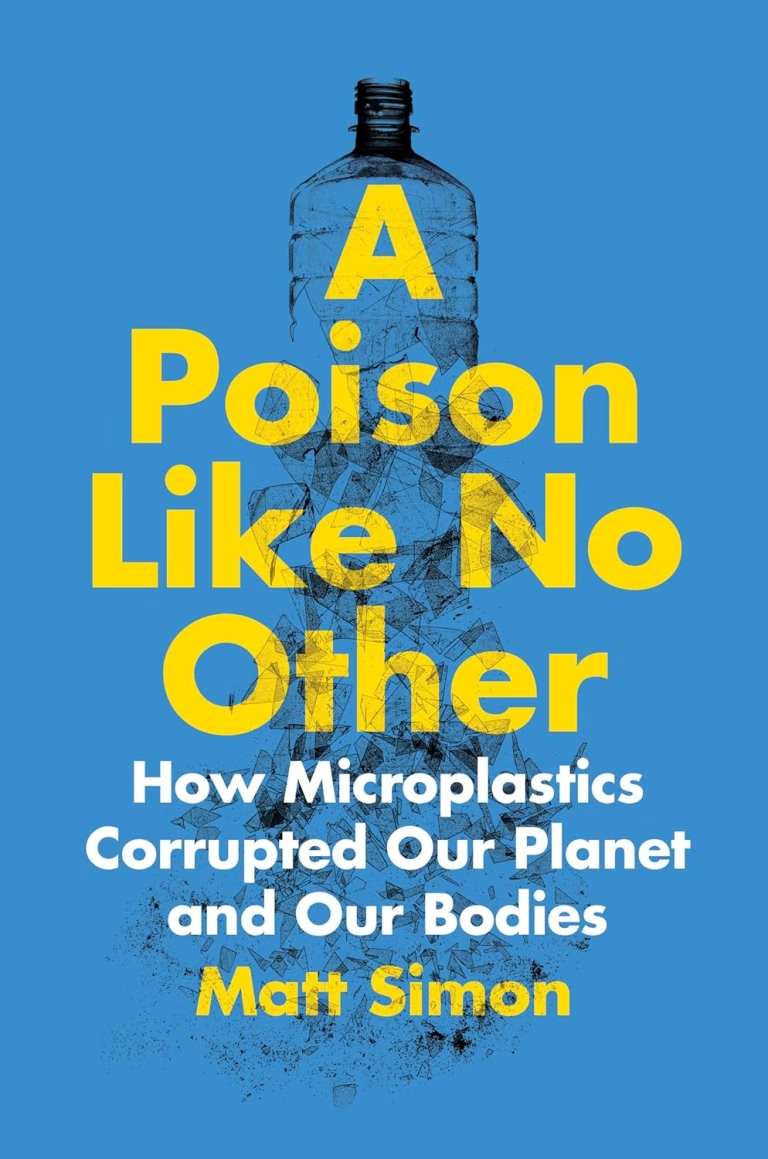
A Poison Like No Other: How Microplastics Corrupted Our Planet and Our Bodies
In A Poison Like No Other, Matt Simon reveals a whole new dimension to the plastic crisis, one even more disturbing than plastic bottles washing up on shores and grocery bags dumped in landfills. Dealing with discarded plastic is bad enough, but the real trouble begins when it starts to break down.
Editorial Note: This post is for informational purposes only. Product formulations and research in this area can change – always check current sources and ingredient labels.
This post contains affiliate links, and I may earn a small commission if you buy through them at no extra cost. For more details, please check out my Affiliate Disclosure. Thank you for supporting Barefoot Basil.
- Ullah, S., Ahmad, S., Guo, X., Ullah, S., Nabi, G., & Wanghe, K. (2023). A review of the endocrine disrupting effects of micro and nano plastic and their associated chemicals in mammals. Frontiers in Endocrinology, 13. https://doi.org/10.3389/fendo.2022.1084236.
- Nor, N., Kooi, M., Diepens, N., & Koelmans, A. (2021). Lifetime Accumulation of Microplastic in Children and Adults. Environmental Science & Technology, 55, 5084 – 5096. https://doi.org/10.1021/acs.est.0c07384.
- Pironti, C., Ricciardi, M., Motta, O., Miele, Y., Proto, A., & Montano, L. (2021). Microplastics in the Environment: Intake through the Food Web, Human Exposure and Toxicological Effects. Toxics, 9. https://doi.org/10.3390/toxics9090224.
- Gambino, I., Bagordo, F., Grassi, T., Panico, A., & Donno, A. (2022). Occurrence of Microplastics in Tap and Bottled Water: Current Knowledge. International Journal of Environmental Research and Public Health, 19. https://doi.org/10.3390/ijerph19095283.
- Alberghini, L., Truant, A., Santonicola, S., Colavita, G., & Giaccone, V. (2022). Microplastics in Fish and Fishery Products and Risks for Human Health: A Review. International Journal of Environmental Research and Public Health, 20. https://doi.org/10.3390/ijerph20010789.
- Habib, R., Kindi, R., Salem, F., Kittaneh, W., Poulose, V., Iftikhar, S., Mourad, A., & Thiemann, T. (2022). Microplastic Contamination of Chicken Meat and Fish through Plastic Cutting Boards. International Journal of Environmental Research and Public Health, 19. https://doi.org/10.3390/ijerph192013442.
- Pironti, C., Ricciardi, M., Motta, O., Miele, Y., Proto, A., & Montano, L. (2021). Microplastics in the Environment: Intake through the Food Web, Human Exposure and Toxicological Effects. Toxics, 9. https://doi.org/10.3390/toxics9090224.
- https://www.eurekalert.org/news-releases/1076910?
- Wang, Huiping & Wang, Zhen & Zhang, Sijie & Du, Chenxu & Zhang, Xinrui & Wang, Luyang & Huang, Jihong. (2024). Fighting microplastics: The role of dietary fibers in protecting health. Food Frontiers. 5. 1984-1998. 10.1002/fft2.437. https://www.researchgate.net/publication/381668932
- Bora, S., Gogoi, R., Ranjan, M., Borah, M., Deka, P., Bora, J., Naorem, R., Das, J., Teli, A., Sarkar, S., Majumder, S., & Mohapatra, G. (2024). Microplastics and human health: unveiling the gut microbiome disruption and chronic disease risks. Frontiers in Cellular and Infection Microbiology, 14. https://doi.org/10.3389/fcimb.2024.1492759.

Silvija Meilunaite, PN1-NC, CSMC, is a certified nutrition coach and menopause coaching specialist. Combining current scientific research with her own experience of perimenopause, she writes evidence-based articles, practical guides, and in-depth product reviews to help women over 40 make informed decisions about nutrition, strength training, recovery, supplements, non-toxic living, and wellness products.