At 40, I was sleeping badly, losing muscle, and feeling groggy. I didn’t know it then, but I was in early perimenopause.
As I navigated the changes that come with perimenopause, I’ve made key adjustments to support my physical, mental, and emotional well-being. From nutrition and exercise to self-care and sleep, here are the changes I’m embracing in 2026 to thrive in this new and exciting chapter of life.
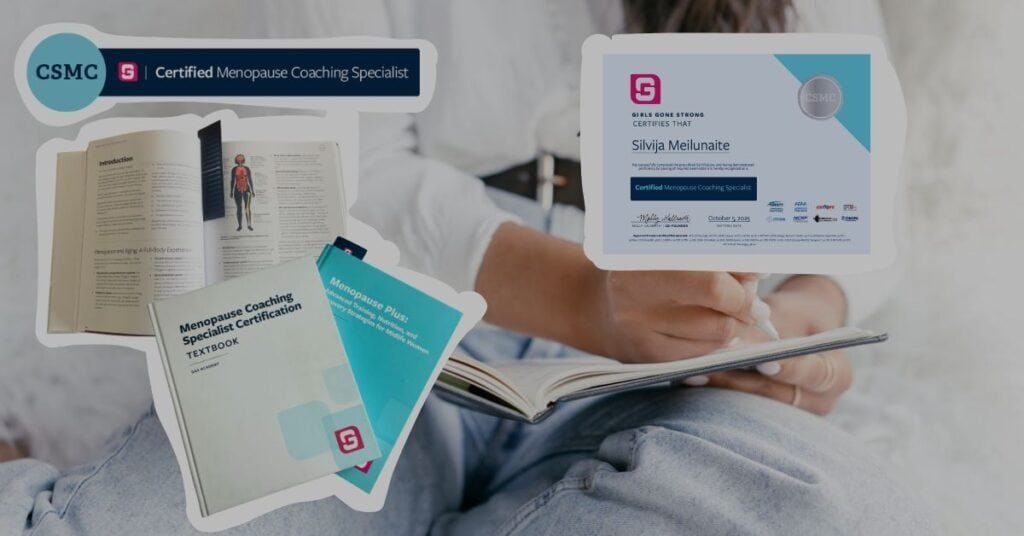
I’ve pulled this perimenopause routine together from two places: my own experience and what I’ve studied through my menopause coaching certification. The result is a list that’s both personal and grounded in research, and I hope you will find it helpful.
Before the new changes, here’s what I’ve kept from last year:
- Cook most of my meals at home, so I know the exact ingredients and macros in my dishes.
- Spend more time in nature. It is so important for my mental health, especially when I struggle with anxiety and mood swings.
- Stay active as much as I can, this means gym, walks, bike rides, runs, as well as stretches during the work day.
- Drink at least 2 liters of water daily to ensure I am hydrated, as my body needs more hydration as we age.
There are way more things I could mention, but for now, let’s move on to what I will change this year to help my body adjust to the hormonal changes during perimenopause.
These are the routine changes that genuinely moved the needle.
Wondering if this is perimenopause?
Check how many of the 100+ known symptoms you're experiencing with our free Perimenopause Symptom Awareness Tool.
Take the Symptom Checker →1. Protein Intake During Perimenopause
Last year, I learned much about nutrition, completed two nutrition certification courses, and experimented with my diet. Instead of focusing on macros, I concentrate on nutritious whole foods.
In perimenopause, estrogen decline accelerates muscle loss and fat gain. Protein intake, combined with strength training, is crucial to maintaining our lean mass, supporting healthy body composition, and improving long‑term health. (1) (2)
Your protein needs will depend on your weight and fitness level. Based on the current evidence, you need ~1.0–1.2 grams of protein per kilogram of your body weight per day if you are sedentary or lightly active (7) and ~1.4–2.0 g/kg/day if you strength/ weight train or are highly active. (8)
I now aim for around 90 grams of high-quality, predominantly plant-based protein daily, spread across my meals. This means focusing on protein-rich foods and basing my cooking around them a bit more. I love experimenting with high-quality plant-based protein. And although I don’t do it often, I supplement with high-quality protein powder if I feel a bit low on protein that day.
If you are overwhelmed with the many choices of plant protein powders, this article will help you:
How to Choose the Best Plant-Based Protein Powder
You can learn more about simple ways to add more protein to your meals here:
How to Get Enough Protein on a Plant-Based Diet During Perimenopause
2. Shift My Eating Schedule
I learn all the time, and this was quite interesting for me. I like to exercise fasted, not all the time, but especially cardio seems better for me. I have learned from watching podcasts with Dr. Stacy Sims that this is not a great way to exercise for women, as when exercising fasted, you burn through your lean mass, not fat. And I did believe it, and tried to apply it, but I felt that forcing myself to eat when I am not hungry made me gain some weight, and I wanted to research if this is based on any studies. I did not find any studies proving this. I actually found many studies showing that there is no difference in women exercising fasted or fed (9). This taught me something profound- listening to my own hunger cues and that not everything on the internet is true, and it is important to do my own research, always!
However, we are all different, and you still might want to eat before your training, especially if you feel faint when training fasted or struggle with high cortisol.
I cover more about fasted training and cortisol in this article: Cortisol and Perimenopause: Why Stress Hits Different After 40 (And What Actually Helps).
So eating as soon as I wake up didn’t work for me, but what worked was eating my dinner a bit earlier. I now push my last meal at least three hours before going to bed. I do feel I get way better sleep and wake up feeling lighter.
3. Strength Training for muscle mass and bone density
I usually exercise 5-6 times a week and walk a lot (12 thousand steps on average a day). Last year, I focused a lot on cardio, especially on running, as I traveled a lot, and running was a great way to exercise no matter where I was. I also love yoga and pilates, so most of my exercise last year was running and yoga or pilates, with a few weight sessions at the gym or some resistance band exercises at home.
Being 40 and understanding the importance of maintaining muscle as we age, I focus on weight and strength training with occasional yoga and cardio sessions. I am still not quite ready to lift heavy weights in the gym, so I am building towards it by joining strength and weight training classes and slowly increasing my weights.
But I also take way more time to warm up and allocate some time to mobility training as our joints are becoming a bit more dry and injury-prone.
4. Take time to recover
Last year I started training almost every day, but I realised that more is not always better, especially during perimenopause, when your body is already under a lot of stress due to fluctuating hormones, night sweats, and mood swings. After a while, I hit a plateau in my training results and felt exhausted.
What I have learned in my menopause certification is that, as we age, we need more time to recover.
This means we need more recovery and rest days in between hard workouts. It doesn’t mean staying in bed all day; it means taking it a bit easier. Instead of a long run with sprints, maybe go for a long walk, hike, or slow bike ride. Maybe hit the sauna and steam room.
I have introduced red light therapy to my routine as one of the means of relaxation and recovery, and already feeling the results.
You can read about my experience with a red light therapy panel here.
From meditation and breathing exercises to slow mornings and beauty treatments. I am treating myself to a massage or a physio 2 to 4 times a month, depending on my needs. I have also discovered a new passion for saunas and love to spend half an hour in a sauna once a week.
Small acts of self-love compound into amazing health benefits.
5. Prioritize Sleep
Since getting a Whoop band, I realized how important sleep is for overall health. I had no idea how bad alcohol and eating late were for my sleep.
I’ve shifted my bedtime from 12 AM to 11 PM and now avoid eating, phone use, or work in the hours leading up to sleep. I also practice a simple breathing exercise for 10 minutes or so before bed, as it increases my REM sleep significantly.
My newly discovered technique to improve my sleep is mouth taping. As I am a mouth breather, my REM sleep has improved significantly since starting practising it.
These small adjustments have helped me wake up feeling more rested and energized for the day ahead.
6. Optimize Supplements for Perimenopause needs
In an ideal world, we would obtain all the necessary nutrition from the whole foods we eat. Unfortunately, we can’t get our hands on the freshest organic foods all year round, especially in the wintertime in Europe.
I like to give my immune system a bit more of a boost in the cold time of the year.
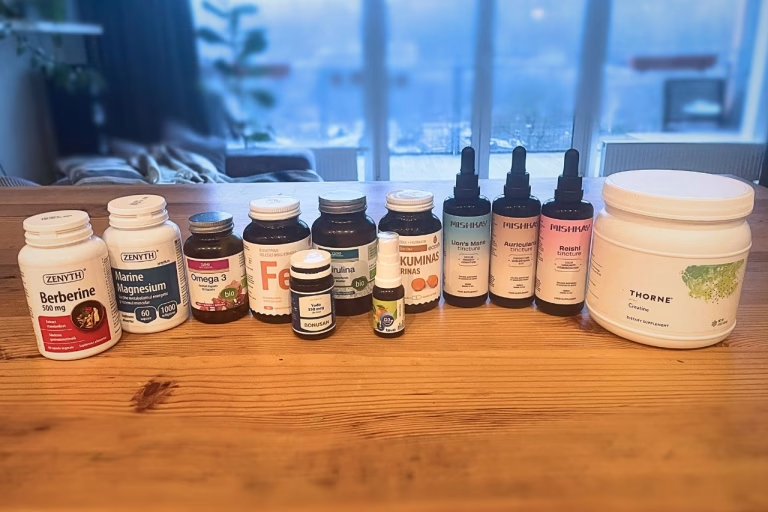
Here are a few of my supplements, some I take daily, some when I need them the most:
Immune Support: Vitamin D, Spirulina, Reishi mushrooms, and Curcumin
Cognitive Health: Lion’s Mane, Shilajit, Magnesium, Creatine.
Cholesterol management: Berberine, Auricularia mushroom.
One supplement that has a lot of misinformation and has many new studies showing amazing benefits for perimenopausal women for strength and bone density, as well as brain health, is creatine. If you haven’t heard about it, check out my article:
Should Women Over 40 Take Creatine? Evidence for Muscle, Mood, and Brain Health
Please note that these supplements work for me and my specific needs. Always consult a healthcare provider to find what works best for your needs.
If you want to learn more about the best supplements for perimenopause symptoms, read:
Best Perimenopause Supplements That Are Backed by Research
7. Why I Cut Back on Alcohol During Perimenopause
Reading more and more research about the adverse effects of alcohol, from cancers to liver disease (3)(4)(5)(6), as well as seeing my Whoop statistics after having even one glass of wine, I am more and more conscious about consuming alcohol. I am not saying that I will be completely sober, but I am more than happy not to have alcohol for a month or even two and only have a glass of wine on a special occasion.
Three-day hangovers and all the risks that come with alcohol are just not worth it anymore.
I was surprised to learn that during perimenopause, many women drink more, often to manage mood and other perimenopause symptoms (10).
But even light to moderate alcohol is linked to worse hot flashes and night sweats, and higher long‑term health risks, including breast cancer (11), bone & chronic disease. (12)
8. Focus On Good Posture
Bad posture not only looks bad, but it can also affect the way you breathe and how your body functions. After four years as a digital nomad without an ergonomic workchair, my posture suffered. Now that I’m settled, I’ve invested in an ergonomic chair and a laptop stand to align my screen at eye level and support my back. I’ve also incorporated daily posture and mobility exercises and regular massages to address back and neck pain. Breathwork and yoga are also important in my routine and are proven to help with correct posture (13). I have also invested in a posture corrector, which I have been wearing for a while now. I used to wear it every day, but now I wear it as a reminder when I feel that my posture is not as good as I would like it to be.
9. Changed my skincare to fit my age
Our skin becomes drier and needs a bit more hydration and love. It does not mean adding more skincare; it is actually the opposite. Less harsh skin care that irritates the skin and strips the skin barrier, more clean and effective ingredients from hyaluronic acid, peptides, retinol, vitamin C, niacinamide, and, of course, sun protection.
My skin care routine consists of 3 to 4 products at night and 2 to 3 products in the morning.
Night – cleanser, serum, moisturizer.
Morning – serum, moisturizer, sunscreen.
If I need a bit more hydration, I will add a toner. And if I am short on time, I will skim my moisturizer and only use my sunscreen for hydration.
That is it!
A new thing I have added to my routine is red light therapy. I have been using my Red Light therapy mask for over a month now. I use my red and blue light mask to fight the signs of aging, as well as calm my hormonal acne on my chin. And I am quite pleased with the results so far.
10. Avoid Toxins To Support Hormonal Health
This year, I am focusing on products for my skin and personal care, cleaning products, food, and supplements without any harmful chemicals, and embracing natural products. I don’t buy the product if the ingredients do not benefit my body.
It also extends to my environment, from installing water and air filters to clearing out the kitchen and bathroom of unnecessary plastics or toxic chemicals.
To help me choose the cleanest products, I use tools like the Yuka App and Informed.
You can also read my article:
Taking care of your health during perimenopause doesn’t have to be overwhelming; it’s about making small, intentional changes that add up over time. I hope my routine inspires you to reflect on your own goals for the year ahead.
What steps are you taking to prioritize your well-being in 2026? Share your perimenopause routine in the comments. Let’s inspire each other. I’d love to hear from you!
References to studies
- Rizzoli, R., Stevenson, J., Bauer, J., Van Loon, L., Walrand, S., Kanis, J., Cooper, C., Brandi, M., Díez-Pérez, A., & Reginster, J. (2014). The role of dietary protein and vitamin D in maintaining musculoskeletal health in postmenopausal women: a consensus statement from the European Society for Clinical and Economic Aspects of Osteoporosis and Osteoarthritis (ESCEO).. Maturitas, 79 1, 122-32 . https://doi.org/10.1016/j.maturitas.2014.07.005.
- Nilsson, A., Rojas, D., & Kadi, F. (2018). Impact of Meeting Different Guidelines for Protein Intake on Muscle Mass and Physical Function in Physically Active Older Women. Nutrients, 10. https://doi.org/10.3390/nu10091156.
- Pflaum, T., Hausler, T., Baumung, C., Ackermann, S., Kuballa, T., Rehm, J., & Lachenmeier, D. (2016). Carcinogenic compounds in alcoholic beverages: an update. Archives of Toxicology, 90, 2349 – 2367. https://doi.org/10.1007/s00204-016-1770-3.
- Rumgay, H., Murphy, N., Ferrari, P., & Soerjomataram, I. (2021). Alcohol and Cancer: Epidemiology and Biological Mechanisms. Nutrients, 13. https://doi.org/10.3390/nu13093173.
- Scheideler, J., & Klein, W. (2018). Awareness of the Link between Alcohol Consumption and Cancer across the World: A Review. Cancer Epidemiology, Biomarkers & Prevention, 27, 429 – 437. https://doi.org/10.1158/1055-9965.EPI-17-0645.
- Jacob, R., Prince, D., Kench, C., & Liu, K. (2023). Alcohol and its associated liver carcinogenesis. Journal of Gastroenterology and Hepatology, 38, 1211 – 1217. https://doi.org/10.1111/jgh.16248.
- Erdélyi, A., Pálfi, E., Tűű, L., Nas, K., Szűcs, Z., Török, M., Jakab, A., & Várbíró, S. (2023). The Importance of Nutrition in Menopause and Perimenopause—A Review. Nutrients, 16. https://doi.org/10.3390/nu16010027.
- Ramirez, V., Oelmann, A., Holtje, J., Shannahan, L., Shelton, G., Nguyen, N., Sims, S., Greece, J., Pyott, L., Lyon, G., Ormsbee, M., & Campbell, B. (2025). Survey study of changes in total caloric and protein intake across the menopause transition: a preliminary analysis. Journal of the International Society of Sports Nutrition, 22. https://doi.org/10.1080/15502783.2025.2550192.
- Hackett, D., & Hagstrom, A. (2017). Effect of Overnight Fasted Exercise on Weight Loss and Body Composition: A Systematic Review and Meta-Analysis. Journal of Functional Morphology and Kinesiology, 2, 43. https://doi.org/10.3390/jfmk2040043.
- Reisel, D., Kamal, A., Glynne, S., & Newson, L. (2024). Menopause and Risk-Taking Behaviours: A Cross-Sectional, Online Survey. BJPsych Open, 10, S74 – S74. https://doi.org/10.1192/bjo.2024.232.
- Llaha, F., Licaj, I., Sharashova, E., Ferrari, P., Lukic, M., & Borch, K. (2025). Light to Moderate Alcohol Consumption and Cancer Incidence: The Norwegian Women and Health Cohort Study. Clinical Epidemiology, 17, 807 – 821. https://doi.org/10.2147/clep.s531643.
- Shihab, S., Islam, N., Kanani, D., Marks, L., & Vegunta, S. (2024). Alcohol use at midlife and in menopause: a narrative review.. Maturitas, 189, 108092 . https://doi.org/10.1016/j.maturitas.2024.108092.
- Csepregi, É., Gyurcsik, Z., Veres-Balajti, I., Nagy, A., Szekanecz, Z., & Szántó, S. (2022). Effects of Classical Breathing Exercises on Posture, Spinal and Chest Mobility among Female University Students Compared to Currently Popular Training Programs. International Journal of Environmental Research and Public Health, 19. https://doi.org/10.3390/ijerph19063728.

Silvija Meilunaite, PN1-NC, CSMC, is a certified nutrition coach and menopause coaching specialist. Combining current scientific research with her own experience of perimenopause, she writes evidence-based articles, practical guides, and in-depth product reviews to help women over 40 make informed decisions about nutrition, strength training, recovery, supplements, non-toxic living, and wellness products.