
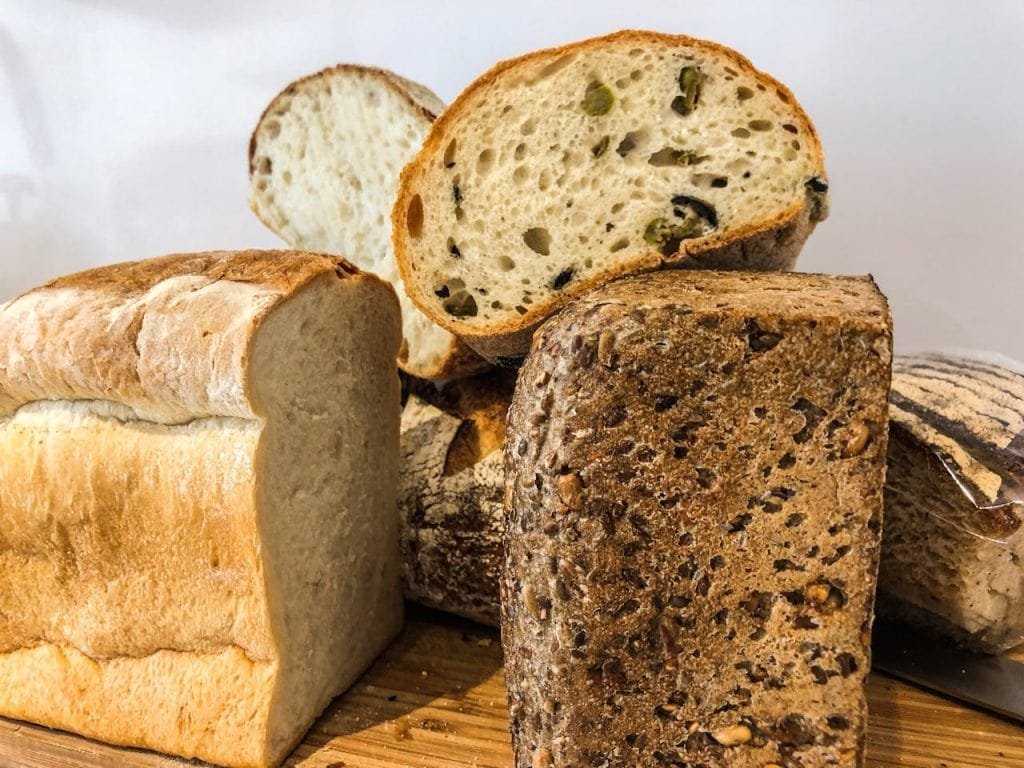
We all love bread! But there is so much contradicting information about it. Some say it is healthy and should be a staple, while others say we should completely stay away from it.
You can buy so many varieties and brands of bread these days, from very cheap supermarket white bread to artisan sourdough bread that costs a small fortune. Hence, comparing bread brands is not easy, and there will be a lot of variation from brand to brand, but an average estimation can help us decide which bread is the healthiest, most nutritious, and best suited for our individual needs.
I have chosen the 11 most popular breads in the UK to compare their nutritional value and the Glycemic Index.
The table includes: White Bread, Wholemeal Bread, Sourdough, Brown Bread, Granary Bread (whole grain wheat flour mixed with malted wheat grains), Wholegrain rye Bread, Bloomer bread, Baps, Crumpets, Baguettes, and Ciabatta. I know crumpets would not be classed as bread traditionally, but we all love them so much that I thought I would include them.
To compare the nutritional values of different types of bread, I’ll focus on key nutritional metrics per typical serving size, which is often around one slice (30 grams). These values can vary significantly based on the brand and recipe. The values provided here are approximate to give you a general idea of the nutritional differences between different kinds of bread.
Bread Nutrition per serving:
| Bread Type | Calories (kcal) | Carbohydrates (g) | Dietary Fiber (g) | Protein (g) | Fat (g) | Sugar (g) | Sodium (mg) | Glycemic Index (GI) |
|---|---|---|---|---|---|---|---|---|
| White Bread | 80 | 15 | 1 | 3 | 1 | 1.5 | 120 | 75 |
| Wholemeal Bread | 90 | 17 | 3 | 4 | 1 | 1.2 | 115 | 69 |
| Sourdough | 85 | 17 | 2 | 3 | 0.5 | 1 | 130 | 54 |
| Brown Bread | 85 | 16 | 2 | 3 | 1 | 1.3 | 120 | 72 |
| Granary Bread | 90 | 18 | 3 | 4 | 1 | 1.5 | 125 | 65 |
| Wholegrain Rye Bread | 80 | 15 | 2 | 3 | 1 | 1 | 110 | 56 |
| Bloomer | 90 | 18 | 2 | 4 | 1 | 1.4 | 125 | 70 |
| Baps | 100 | 20 | 1 | 4 | 2 | 2 | 150 | 73 |
| Crumpets | 89 | 18 | 1 | 3 | 0.4 | 1 | 120 | 69 |
| Baguettes | 85 | 17 | 1 | 3 | 1 | 1.2 | 130 | 95 |
| Ciabatta | 95 | 20 | 1 | 4 | 1 | 1.5 | 140 | 73 |
You can see in the table a range of calories per slice from 80 to 100 kcal, with Baps having the highest calorie count. Wholemeal, Granary Bread, and Bloomer have higher levels of fibre (3g). Protein content is pretty consistent across most bread types, around 3-4g, while fat content varies slightly, with Baps having the highest at 2g. Sugar content is generally low, with a range of 1.0 to 2.0g, and sodium content varies from 110mg in Rye Bread to 150mg in Baps.
Bread Glycemic Index
I want to highlight the glycemic Index as it helps you decide which bread is the healthiest in spiking blood sugar levels.
| Bread Type | Glycemic Index (GI) | GI Classification |
|---|---|---|
| White Bread | 75 | High |
| Wholemeal Bread | 69 | Medium |
| Sourdough | 54 | Low |
| Brown Bread | 72 | High |
| Granary Bread | 65 | Medium |
| Wholegrain Rye Bread | 56 | Medium |
| Bloomer | 70 | High |
| Baps | 73 | High |
| Crumpets | 69 | Low |
| Baguettes | 95 | High |
| Ciabatta | 73 | High |
This table shows that sourdough and Wholegrain rye bread have lower GI values, making them better choices for people monitoring blood sugar levels. The body absorbs these breads more slowly, leading to a gradual rise in blood sugar levels rather than sharp spikes.
On the other hand, baguettes, white bread, baps, and ciabatta have the highest GIs, which may lead to a quicker rise in blood sugar.
What is the Glycemic Index (GI)?
The Glycemic Index (GI) measures how quickly food raises blood sugar levels. The scale runs from 0 to 100, with higher values given to foods that cause the fastest rise (pure glucose serves as a reference point at 100).
Food is classified as:
- low (GI ≤ 55),
- medium (GI 56-69)
- high (GI ≥ 70) GI
Which Bread Is The Healthiest?
Is bloomer bread healthy? Is granary bread healthy? Here is the verdict.
The Glycemic Index and dietary fibre are significant indicators of the healthiness of bread. Lower GI values are preferable for blood sugar management, while higher dietary fibre is better for digestion and satiety. These metrics, along with a balanced profile of macronutrients, determine the overall nutritional value of the bread.
Top 3 Healthiest Breads:
Sourdough Bread:
It is a more nutritious option due to its natural fermentation process, which makes it easier to digest, improves nutrient absorption, and lowers the glycemic index, resulting in a slower rise in blood sugar levels. The fermentation also reduces gluten and phytic acid, enhancing mineral availability. While baking kills most probiotics, the prebiotics remain, supporting gut health. Sourdough bread has a rich flavor, a longer shelf life without preservatives, and can be more tolerable for those with mild gluten sensitivities.
Wholegrain Rye Bread:
Its low GI of 56, moderate calories, and balanced nutritional profile support a steady energy release.
Wholemeal Bread:
This is another healthy option. It is higher in dietary fiber at 3g, has a relatively low GI of 69, and is balanced in nutrients.
Is Malted Bread Healthy?
Let’s start with the ingredients for Malted bread. Typical ingredients include wheat flour, water, salt, yeast, malted barley flour, and grains. Malt is created when simple grains such as barley, rye, or wheat are germinated and sprouted. Due to this, the starch is converted into a simple sugar called maltose, and the bread becomes sweeter and nuttier in taste. Does it make malted bread healthy ? Not really, it slightly increases the bioavailability of some minerals, but mainly it affects the taste more than anything. The healthiness of the malted bread depends on which flour was used to make it.
If you like the malted bread taste, choose a 100% wholegrain malted loaf.
Let’s have a look at malted bloomer and regular bloomer as a comparison.
Is Malted Bloomer More Healthy Than Bloomer Bread?
Bloomer bread (especially wholemeal ) is generally the healthier choice if you’re focused on managing blood sugar levels or maximizing fiber. However, malted bloomer bread can still be part of a healthy diet if it contains whole ingredients and minimal processing.
Malted bloomer bread includes malted grains or malt extract, which can enhance flavor and add some nutrients, but also increase sugar content due to the malting( the process of steeping, germinating, and drying grain to convert it into malt).
Glycemic Index:
- Malted bloomer bread generally has a slightly lower or similar GI compared to white bloomer bread, due to the presence of whole grains and fiber in some versions.
- The malted content does not significantly raise the GI – in fact, the added fiber from malted grains can slow digestion, moderating blood sugar spikes.
- White bloomer bread (without added fiber) has a higher GI (around 70-85), while malted bloomer bread is typically in the medium GI range (55-65), depending on its ingredients.
To answer the question, of which Blommer bread is healthy: Wholemeal bloomer bread is the best choice for fiber and stable blood sugar levels.
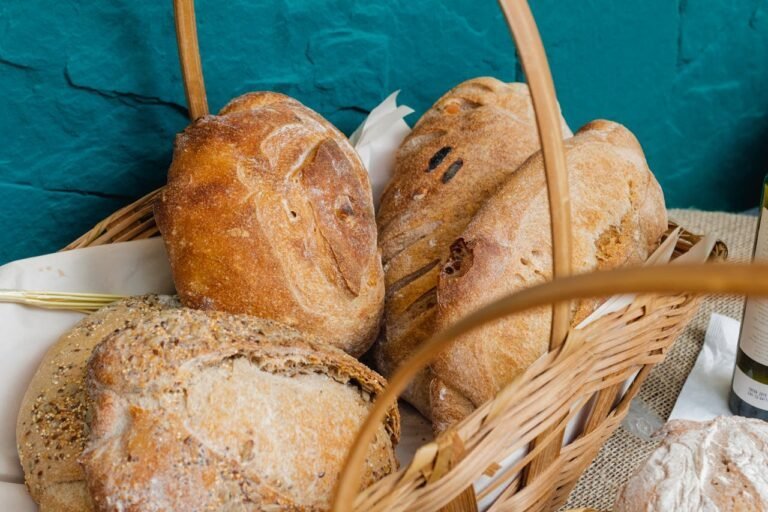
bloomer vs sourdough, how do they compare
| Feature | Bloomer Bread | Sourdough Bread |
|---|---|---|
| Description | A traditional bread with a thick crust and soft, airy interior, typically made from white or wholemeal flour, yeast, water, and salt. | Naturally fermented bread made with flour, water, and wild yeast (sourdough starter). The long fermentation process improves digestibility. |
| Calories (per 100g) | ~260-270 kcal | ~230-260 kcal |
| Carbohydrates (per 100g) | ~50-55g | ~45-50g |
| Sugar (per 100g) | ~1-2g (varies by recipe) | <1g (fermentation reduces sugar) |
| Fiber (per 100g) | ~3-4g (higher in wholemeal versions) | 4-5g (fermentation slightly increases available fiber) |
| Protein (per 100g) | ~8-10g | ~9-12g |
| Fat (per 100g) | ~1-3g | ~1-2g |
| Glycemic Index (GI) | White bloomer: High (70-85) Wholemeal bloomer: Medium (~60) | Lower GI (50-65) due to fermentation slowing down carbohydrate absorption. |
| Nutritional Benefits | Provides energy but can cause blood sugar spikes if made with white flour. Wholemeal versions offer more fiber and nutrients. | Easier to digest due to fermentation, supports gut health, has lower GI, and is often better for blood sugar control. |
Please note that some shop-bought varieties will have more additives than listed here.
Which is Healthier?
- Sourdough is the better choice for gut health, blood sugar control, and digestion.
- Wholemeal bloomer bread is still a good option if you prefer a traditional loaf with more fiber.
- White bloomer bread is one of the least healthy options due to its high GI and low fibre; only baguettes and standard white bread perform worse on blood sugar.
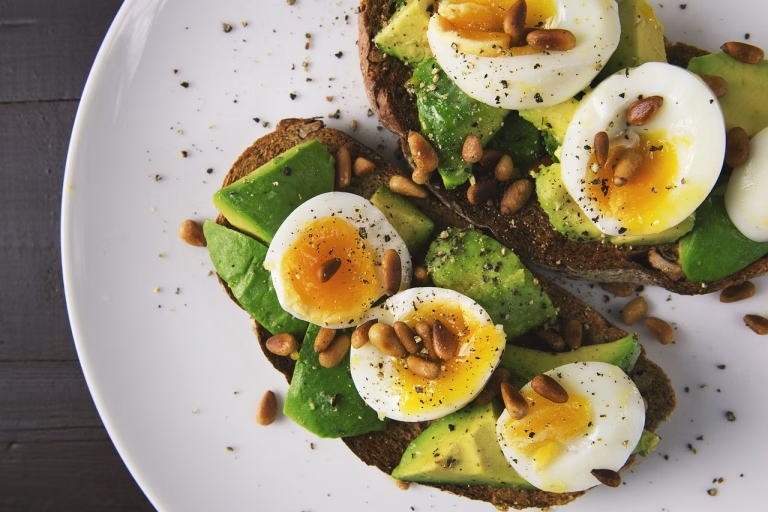
Tips For Keeping The Bread Healthier:
- Check the label and always choose the bread with minimal ingredients, or buy bread in bakeries where it is baked fresh daily.
Freeze and Toast: Freezing bread and then toasting it reduces its glycemic index, causing a slower, more gradual increase in blood sugar levels. This process alters the starches in the bread, making them more resistant, which helps with digestion and blood sugar management.
Pair with Protein or Healthy Fats: Eating bread with protein or healthy fats can lower its glycemic impact, provide longer-lasting energy, and balance blood sugar levels.
Eat Bread Cold: Allowing bread to cool after baking or toasting can increase the formation of resistant starches. These starches act similarly to fibre, aid in gut health, and reduce blood sugar spikes.
Watch Portion Size: Moderating the amount of bread you eat is a good idea, as, due to its texture, it is very easy to overeat.
Other Articles You Might Like:
To learn more about fermented foods like sourdough bread, read: 15 Fermented Foods for Gut Health (And Why They Matter More After 40)
If you love pasta but want the healthiest option, read:
Cortisol and Perimenopause: Why Stress Hits Different After 40 (And What Actually Helps)
FAQ
Is bloomer bread healthy?
Bloomer bread sits in the middle. With a glycemic index of 70 (high), 2g fiber per slice, and 125mg sodium, it’s not the worst choice, but also not the best. Wholemeal bloomer is the better version if you worry about blood sugar or fibre – it has a lower GI and more fibre.
Is malted bloomer bread healthy?
Malted bloomer uses whole ingredients and minimal processing, and can be considered healthy. The malting process (steeping, germinating, and drying the grain) adds some nutrients but increases sugar content. Most malted bloomers have around 55-65 GI, lower than white bloomers at 70-85, because the malted grains add fiber.
What is the difference between bloomer bread and sourdough?
Bloomer is a traditional UK loaf made with yeast, flour, water, and salt – thick crust, airy interior, GI around 70 in white form. Sourdough is naturally fermented with a wild yeast starter, which lowers its glycemic index to 50-65 and breaks down some of the gluten and phytic acid. Sourdough wins for blood sugar and digestion; wholemeal bloomer is still a solid traditional choice if you want more fiber.
What is a malted bloomer?
A malted bloomer is a bloomer loaf that includes malted grains or malt extract. Malting is the process of steeping, germinating, and drying grain to convert it into malt – this gives the bread a sweeter, nuttier taste and slightly more nutrients, but also increases sugar content.
Are crumpets healthier than bread?
Crumpets aren’t traditionally classed as bread, and nutritionally they sit closer to white than to a wholegrain bread. Their glycemic index is around 69 (medium-high), they’re low in fiber (1g per crumpet), and they’re typically made with refined white flour. A wholemeal or rye bread gives you more fiber and protein for similar calories. Crumpets are fine occasionally, but think of them more as a treat rather than a daily staple.
Which UK bread has the lowest glycemic index?
Sourdough has the lowest GI at 54, just ahead of rye (56) and ciabatta (58). All four are absorbed more slowly than white bread (75) or baguettes (95), which makes them better options if you’re watching blood sugar. Sourdough’s fermentation is what makes it unique – it slows how quickly the carbs reach your bloodstream.
Is sourdough bread healthy?
Sourdough is the healthiest bread in this comparison. It’s natural fermentation lowers the glycemic index to around 54, breaks down some of the gluten and phytic acid (which improves mineral absorption), and leaves prebiotics intact even after baking, which is great for gut health. Wholemeal sourdough is even better.
Is sourdough bread gluten-free?
No, traditional sourdough is not gluten-free. It’s made with wheat, rye, or spelt flour, all containing gluten. The fermentation does break down some of the gluten, which is why some people with mild gluten sensitivities tolerate sourdough better. It’s not safe for anyone with celiac disease unless it’s made specifically with gluten-free flour.
To summarize,
I hope you found this bread comparison helpful and can choose the healthiest bread for your needs. I do not say we should never eat baguettes again; this article is to have standard knowledge to help you choose the most nutritious option more often.
If you have any questions, please comment below, and I will try to answer them.
Editorial Note: This post is for informational purposes only. Product formulations and research in this area can change – always check current sources and ingredient labels.
- Whole Grains Council. (2021). “Health benefits of whole grains confirmed.”
- Brand-Miller, J., Hayne, S., Petocz, P., & Colagiuri, S. (2003). Low–glycemic index diets in the management of diabetes: A meta-analysis of randomized controlled trials. Diabetes Care, 26(8), 2261-2267.
- Jenkins, D. J., et al. (1981). Glycemic index of foods: a physiological basis for carbohydrate exchange. American Journal of Clinical Nutrition, 34(3), 362-366.
- Anderson, J. W., Baird, P., Davis, R. H., Jr., Ferreri, S., Knudtson, M., Koraym, A., Waters, V., & Williams, C. L. (2009). Health benefits of dietary fiber. Nutrition Reviews, 67(4), 188-205.

Silvija Meilunaite, PN1-NC, CSMC, is a certified nutrition coach and menopause coaching specialist. Combining current scientific research with her own experience of perimenopause, she writes evidence-based articles, practical guides, and in-depth product reviews to help women over 40 make informed decisions about nutrition, strength training, recovery, supplements, non-toxic living, and wellness products.



I’m not that much of a internet reader to be honest but your
blogs really nice, keep it up! I’ll go ahead and bookmark your site to come back in the future.
Many thanks
Superb, what a weblog it is! This blog presents valuable data to us, keep it
up.