During perimenopause, skin starts to change faster than most of us expect – collagen loss, dryness, and hormonal acne can all hit at once. Vitamin C serum is one of the few skincare ingredients with real science behind it for exactly these concerns. Here’s what I use, what I look for, and the cleanest options across every budget.
TL;DR
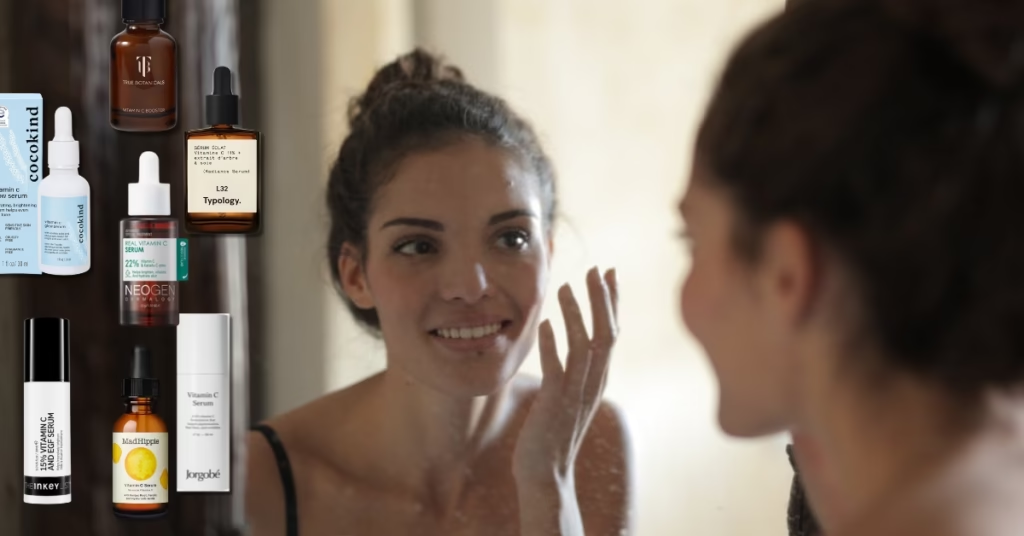
This guide explains how to choose a clean vitamin C serum and then lists top options by skin needs.
Best clean vitamin C serum overall: Mad Hippie Vitamin C Serum (clean formula, strong supporting antioxidants, top Yuka score)
Best for sensitive skin: Purito Pure Vitamin C Serum (low 5% strength to minimize irritation)
Best high concentration: Neogen Real Vita C Facial Serum (22% total vitamin C blend)
Most affordable: Skin Saints Illuminating Vitamin C (about £4)
Best luxury: SkinCeuticals Phloretin CF (about $185)
Benefits of Vitamin C Serum for women over 40:
During perimenopause, estrogen decline affects the skin directly. Estrogen plays a role in collagen synthesis, skin hydration, and wound healing – so as levels fluctuate and drop, many women notice their skin becoming thinner, drier, and slower to recover.
Reduces Fine Lines and Wrinkles: Clinical studies show that vitamin C serums can reduce fine lines and wrinkles, and improve skin firmness and elasticity. (1)
Boosts Collagen Production: Stimulates collagen production, improving skin firmness and reducing fine lines. (3)
Brightens and Evens Skin Tone: reduces melanin production, reducing dark spots, hyperpigmentation, and giving a more even skin tone. (2)
- Can help with hormonal acne: If you are dealing with hormonal acne during perimenopause, some forms of vitamin C – particularly with niacinamide – can also help with the inflammation and post-breakout marks without disrupting the skin barrier further.
Did you know that applying vitamin C serum in the morning before your sunscreen increases protection against UV damage ? (4)
If you don’t want sun damage but still want a radiant glow, I have a list of the best self-tanning products with clean ingredients: Best Clean Self-Tanning Oils, Drops, Lotions, and Mousse.
If you want to learn more about how I incorporate Vitamin C in my morning skincare routine, check out My Simple Skincare Routine at 42 and What I Changed in Perimenopause
What to Look For In The Best Vitamin C Serum Formulation
1. Form of Vitamin C
L-Ascorbic Acid (LAA): The most researched and potent form, but also the least stable.
Derivatives (Magnesium Ascorbyl Phosphate, Ascorbyl Glucoside, Tetrahexyldecyl Ascorbate, Sodium Ascorbyl Phosphate): More stable, gentler, but often less potent. Best for sensitive skin.
2. Concentration / Strength
10–20% L-Ascorbic Acid: Considered optimal for effectiveness without excessive irritation.
<10%: May still offer antioxidant benefits, but less effective for pigmentation.
>20%: Often leads to irritation without added benefit.
3. pH Level
For L-Ascorbic Acid: Needs an acidic environment (pH 2.5–3.5) for best absorption.
For derivatives: Can be stable and effective at a higher pH, gentler on sensitive skin.
Supporting Ingredients to Look For In Vitamin C Serum
Aging skin needs a bit more support, and it is great to have some ingredients that help vitamin C be even more potent.
Vitamin E (Tocopherol): Works well with Vitamin C to enhance antioxidant effects and stability.
Ferulic Acid: Stabilizes Vitamin C and Vitamin E, boosting efficacy (the classic CE Ferulic formulation).
Hyaluronic Acid: Provides hydration and reduces irritation risk.
Peptides: Can complement Vitamin C by supporting collagen production.
Niacinamide: Can help with hormonal acne
Dermatologists recommend:
Start with 10–15% if new to Vitamin C.
Apply in the morning under sunscreen for best photoprotection.
If you have sensitive skin, start with a derivative form before moving to pure L-Ascorbic Acid.
Perimenopausal skin can be more reactive. If you have very sensitive skin and are a bit worried that vitamin C might irritate it, you can start with a very gentle yet effective formula containing L-ascorbic acid at under 10% and work your way up to higher concentrations. I have listed vitamin C serum options anywhere from 1% to 30%.
Affiliate Disclosure: As an Amazon Associate, I earn from qualifying purchases. I may also earn commissions from other trusted partners, always at no extra cost to you. You can read the full details in my Affiliate Disclosure page.
Best Vitamin C Serums for Hormonal Acne
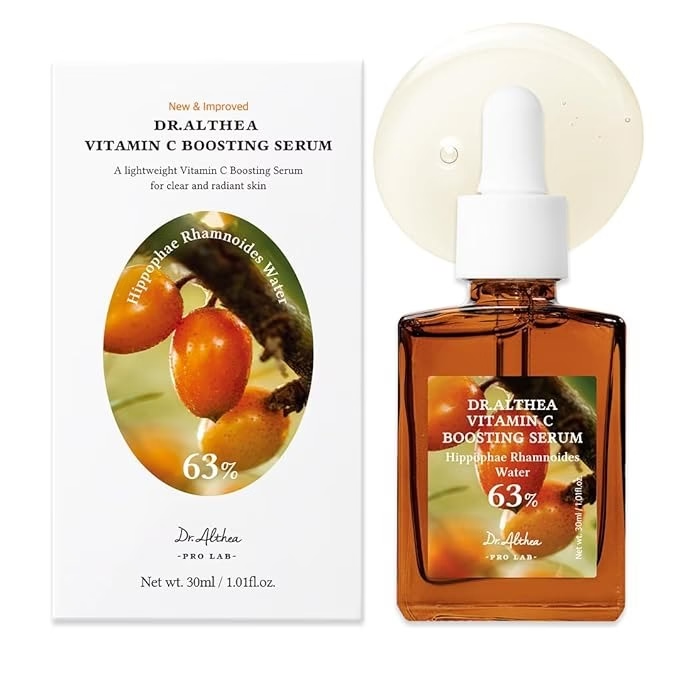
Dr. Althea Vitamin C Boosting Serum
L-ascorbic acid: 20%
Other active ingredients: 63% Hippophae Rhamnoides Water, 5% Niacinamide, and 2% Tranexamic Acid
Yuka score: 93/100
A good option if hormonal acne and uneven skin tone are your main concerns. The combination of 20% vitamin C with niacinamide and tranexamic acid targets both active breakouts and the dark marks they leave behind. The 63% sea buckthorn water base also makes it more soothing than most high-strength formulas.
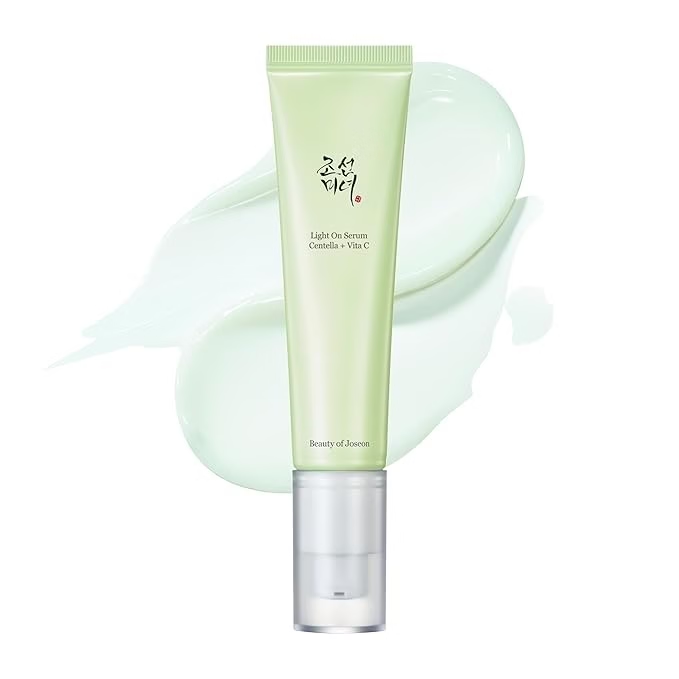
Beauty of Joseon Light On Serum Centella + Vita C
L-ascorbic acid: 10% (as 3-O-Ethyl Ascorbic Acid)
Other active ingredients: 68% Centella Asiatica extract,
Yuka score: 93/100
This one is ideal if your skin is reactive or easily inflamed – which is common during perimenopause. The 68% Centella Asiatica base calms while the vitamin C brightens, so you get the antioxidant benefits without irritation. A good budget-friendly entry point for beginners.
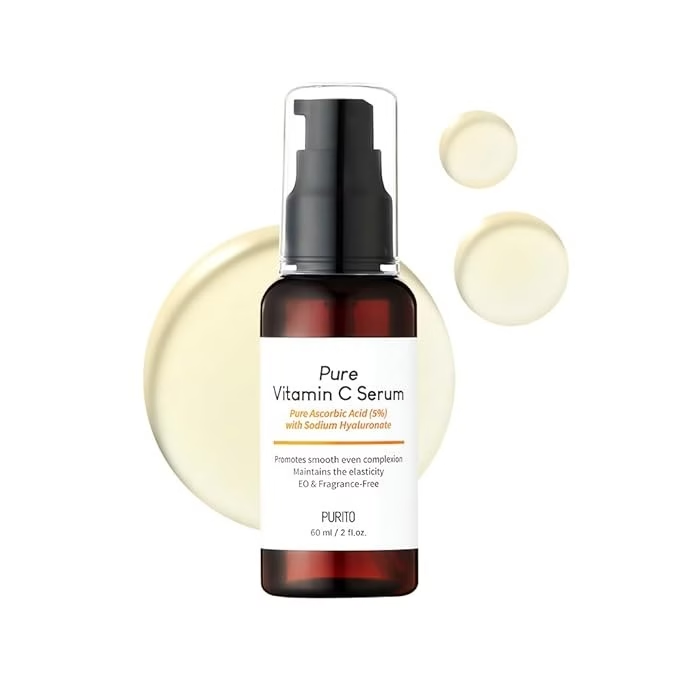
Purito Pure Vitamin C Serum
L-ascorbic acid: 5%
Other active ingredients: Sodium Hyaluronate, Niacinamide
Yuka score: 93/100
At 5%, this is one of the gentlest options on the list and a good starting point if you have never used vitamin C before or if your skin is easily irritated. The niacinamide addition helps with redness and uneven skin tone.
Best Vitamin C Serums for Wrinkles and Collagen
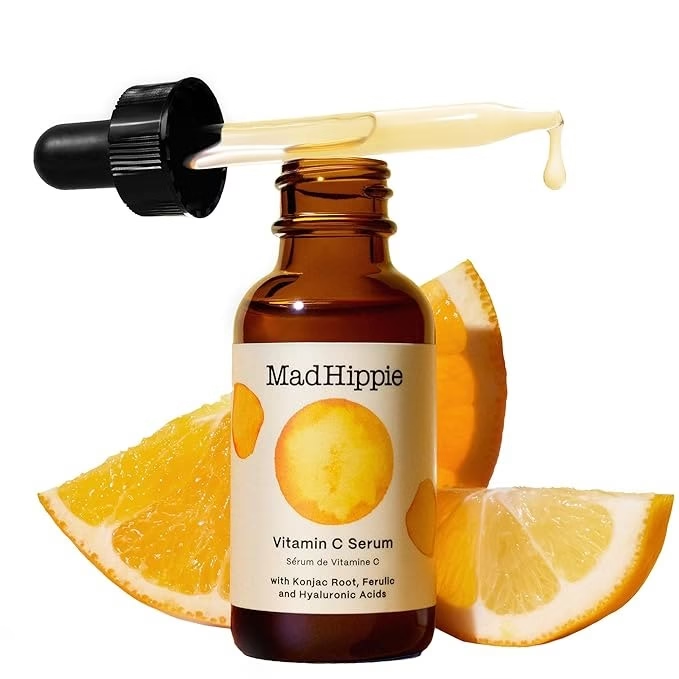
Mad Hippie Vitamin C Serum
L-ascorbic acid: 15-20% (as Sodium Ascorbyl Phosphate)
Other active ingredients: Ferulic Acid, Vitamin E, Hyaluronic Acid, Konjac Root, Chamomile
Yuka score: 100/100
My personal favourite vitamin C serum and the one I use currently. The Sodium Ascorbyl Phosphate form is gentler and more stable than pure L-ascorbic acid, which matters if your skin is more sensitive than it used to be. The combination of ferulic acid and vitamin E makes it one of the most complete antioxidant formulas at this price point – and the 100/100 Yuka score means nothing questionable in the ingredients list.
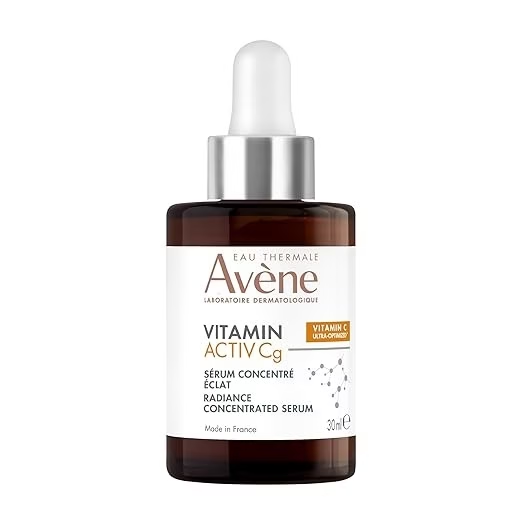
Avène Vitamin Activ Cg Radiance Concentrated Serum
L-ascorbic acid: 1.8% Vitamin Cg (equivalent to 20% pure Vitamin C)
Other active ingredients: Niacinamide, Bakuchiol
Yuka score: 100/100
Worth knowing that 1.8% Vitamin Cg is not a low-concentration serum – it’s a stabilized form that Avène claims is equivalent in efficacy to 20% pure vitamin C. The bakuchiol makes it one of the best options on this list for fine lines and firmness, and it’s gentle enough for sensitive skin.
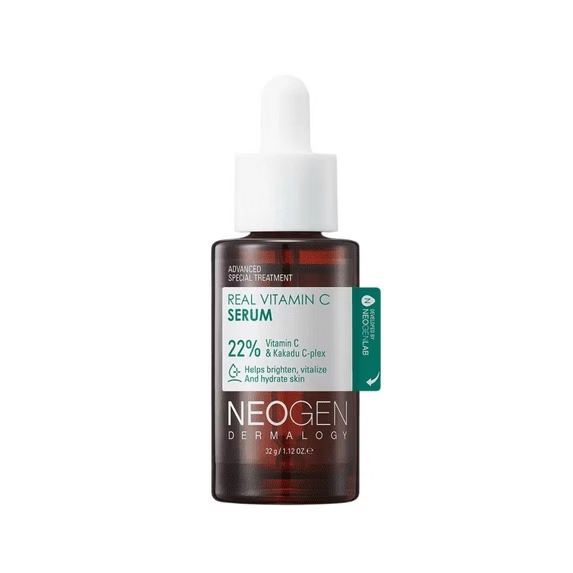
Neogen Real Vita C Facial Serum
L-ascorbic acid: 22% (as 12% of Vita C Acerola-plex and 10% of Sodium Ascorbyl Phosphate)
Other active ingredients: Tocopherol (Vitamin E) and Panthenol (Vitamin B3), Hyaluronic Acid
Yuka score: 93/100
If you want a high-concentration formula that’s a bit less aggressive than single-source L-ascorbic acid, this is worth considering. The 22% comes from a blend of two vitamin C forms, which may be better tolerated than a single high-percentage formula. Good for women who have been using vitamin C for a while and want stronger collagen-supporting effects.
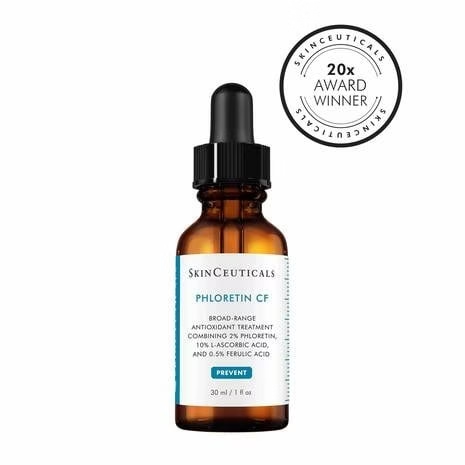
Skin Ceuticals Phloretin CF with Ferulic Acid Serum
L-ascorbic acid: 10%
Other active ingredients: Ferulic Acid
Yuka score: 93/100
The price is hard to justify for most people, but this is the formula that most dermatologists point to as the gold standard. Phloretin is a powerful antioxidant that enhances vitamin C efficacy, making it particularly good for sun damage and long-term skin aging prevention. Worth it if you have the budget and skin aging is your main focus.
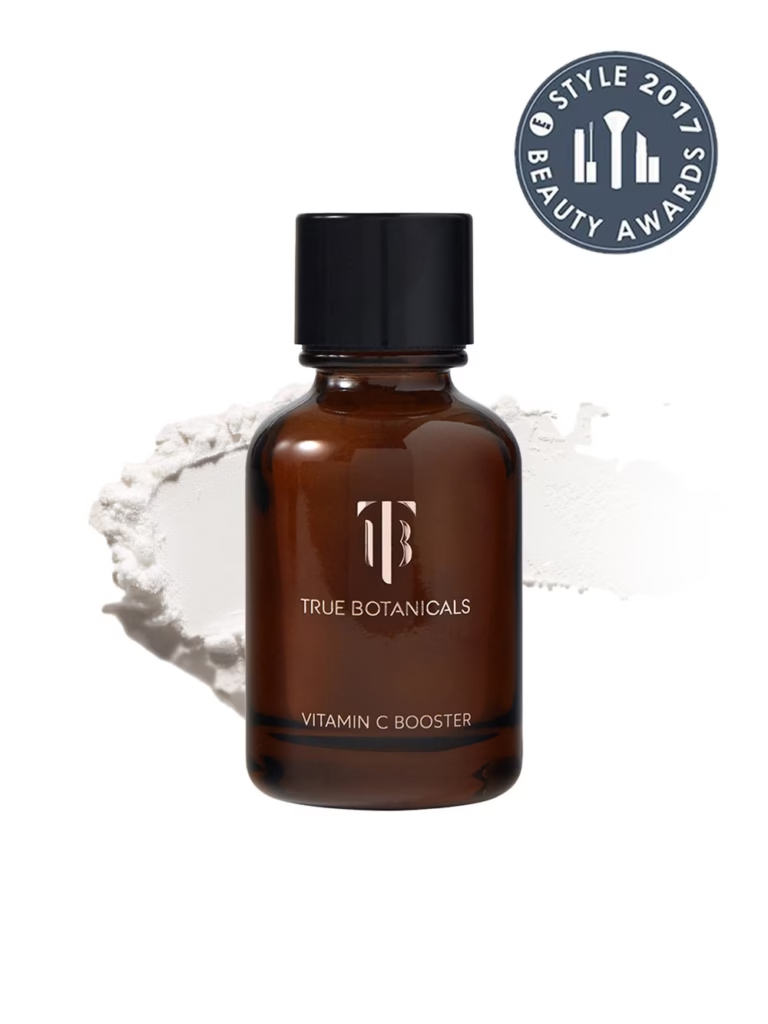
True Botanicals Vitamin C Booster
L-ascorbic acid: 10%
Other active ingredients: Ferulic Acid
Yuka score: 100/100
The only powder format on this list, which solves the stability problem most serums have. You mix it fresh each time, so the vitamin C stays potent rather than degrading in the bottle. Only 3 ingredients – organic tapioca starch, ascorbic acid, ferulic acid – which is about as clean as it gets. Worth trying if you’ve had serums go orange and stop working before you finish the bottle, but it can be a bit tricky to measure and can get messy.
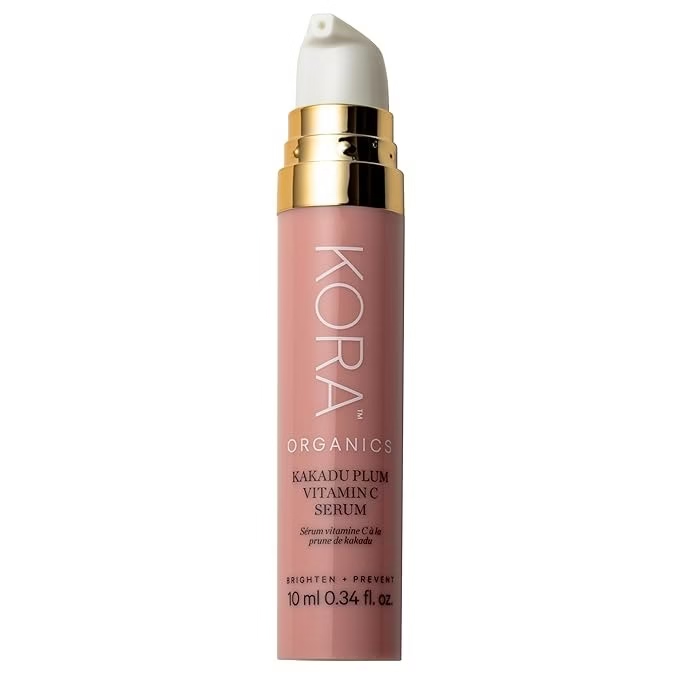
Kora Organics Kakadu Plum Vitamin C Serum
L-ascorbic acid: 5.5% (as Ascorbyl Glucoside)
Other active ingredients: Hyaluronic Acid,
Yuka score: 100/100
Kakadu plum is one of the highest natural sources of vitamin C, and this certified organic formula pairs it with hyaluronic acid for hydration. A good choice if you prefer whole-food-derived ingredients over synthetic forms. At 5.5%, it sits in the gentle range, suitable for daily use on most skin types.
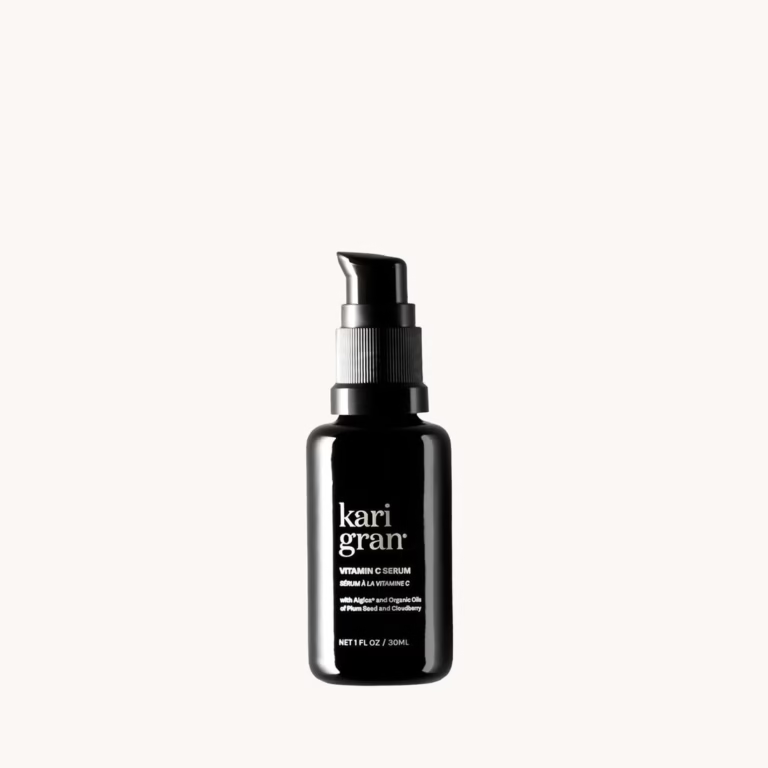
Kari Gran Vitamin C Serum
L-ascorbic acid: 10%
Other active ingredients: Ferulic Acid
Yuka score: 100/100
A clean, minimal formula – vitamin C and ferulic acid, nothing extra. Good choice if you prefer simple ingredient lists without a lot of additional actives. Kari Gran is a US indie brand with strong clean beauty credentials.
Best Vitamin C Serums for Pigmentation and Dark Spots
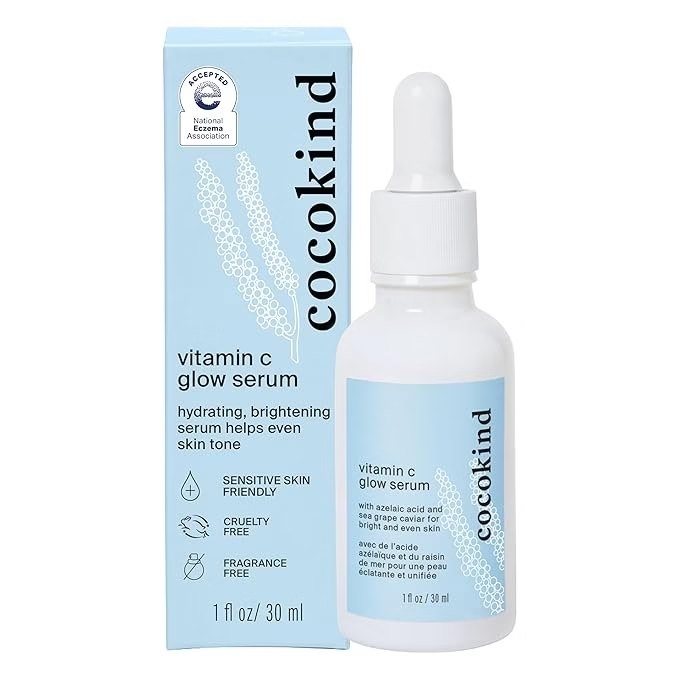
Cocokind Vitamin C Serum
L-ascorbic acid: 2% (as Ascorbyl Glucoside)
Other active ingredients: Azelaic Acid. Sea Grape Caviar, Hyaluronic Acid
Yuka score: 100/100
The azelaic acid here is the standout – it targets hyperpigmentation and hormonal breakouts alongside the vitamin C, making this a good two-in-one for women dealing with both dullness and post-acne marks. At 2% it is very gentle, so ideal for very sensitive skin.
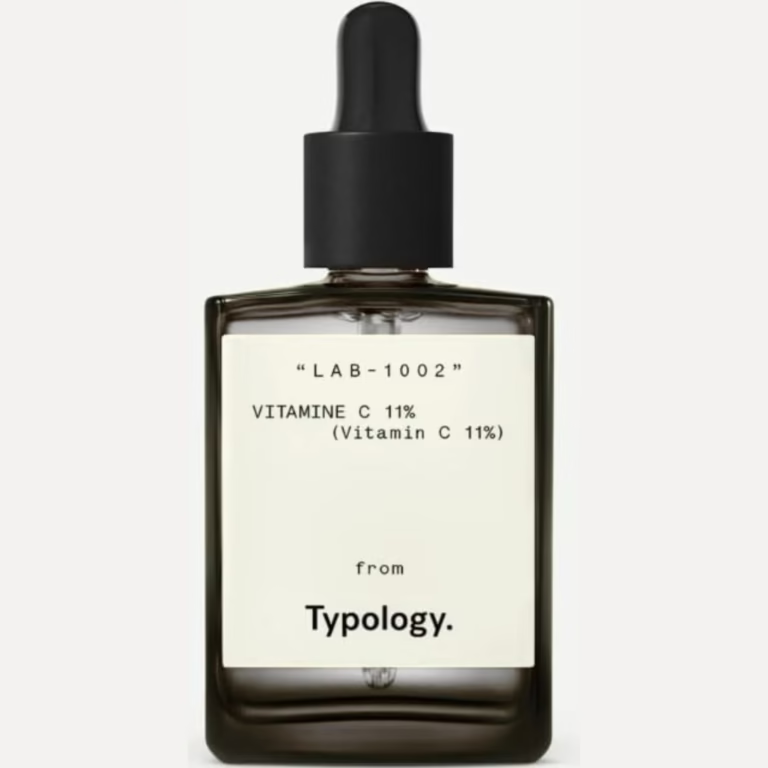
Typology Vitamin C Serum
L-ascorbic acid: 11% (as Sodium Ascorbyl Phosphate)
Other active ingredients: Albizia Julibrissin Extract
Yuka score: 100/100
The Albizia Julibrissin extract (Persian silk tree) is the distinctive ingredient here – it has antioxidant and anti-pollution properties that complement vitamin C well for women living in cities. At 11% Sodium Ascorbyl Phosphate, it hits the sweet spot between effective and gentle.
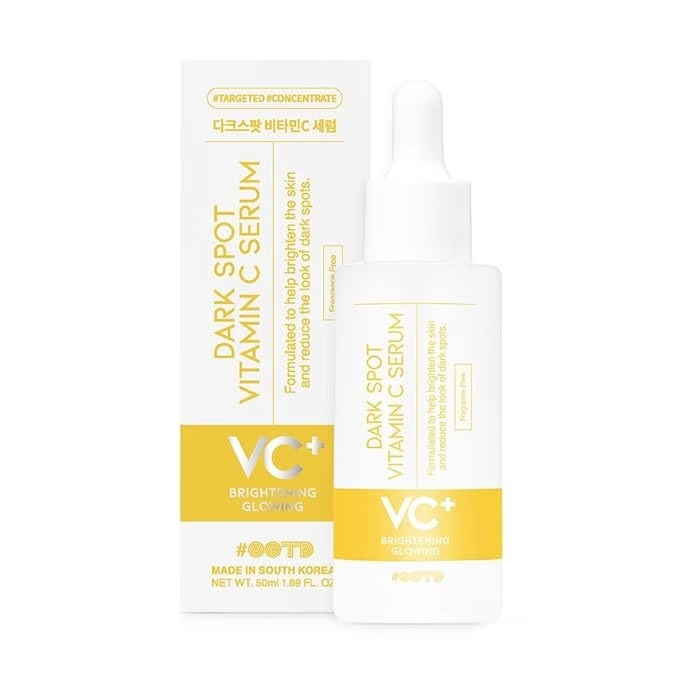
OOTD Dark Spot Vitamin C Serum
L-ascorbic acid: 1%
Other active ingredients: Vitamin Tree Water
Yuka score: 93/100
At 1%, this is a very low concentration, so don’t expect dramatic brightening results. It’s best positioned as a beginner option for very sensitive skin, or as a second daily application for women who already use a stronger serum at night. The Vitamin Tree Water base is rich in natural vitamin C, which adds some additional benefit.
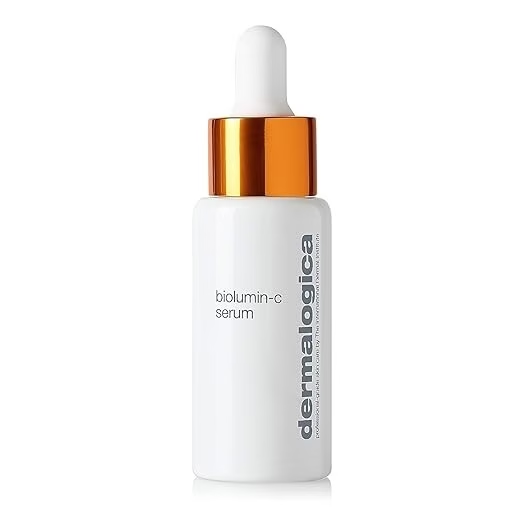
Dermalogica Biolumin-c Vitamin c Serum
L-ascorbic acid: 4.7% (as Ascorbyl Methylsilanol Pectinate)
Other active ingredients: Lactic Acid, Chia Seed Oil
Yuka score: 93/100
The lactic acid addition makes this one slightly different from the others – it provides mild exfoliation alongside the vitamin C brightening, which helps with the dull, uneven skin tone that often comes with perimenopause. Good for women dealing with texture as well as pigmentation.
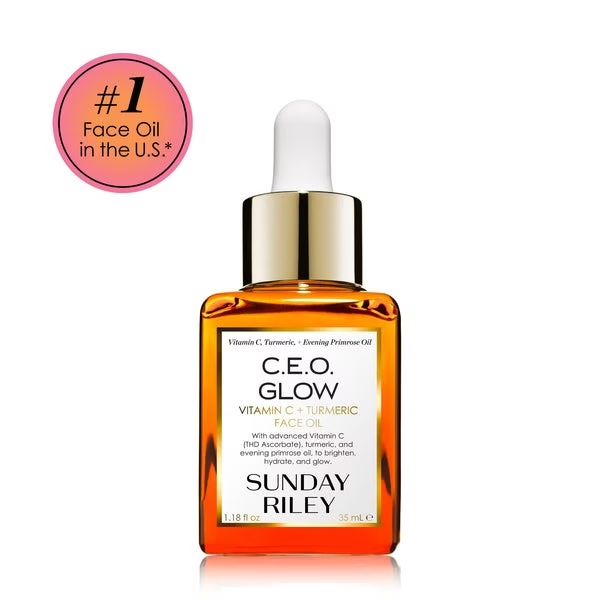
C.E.O. Glow
Vitamin C and Turmeric Face Oil
L-ascorbic acid: 3% (as THD Ascorbic)
Other active ingredients: Golden Turmeric, Red Raspberry Seed Oil
Yuka score: 93/100
This is a face oil, not a serum – different texture and application, but I still added it to the list. The turmeric adds anti-inflammatory benefits, which can help with redness and hormonal inflammation. Good as an evening treatment layered over your serum rather than a straight swap.
Best Clean Vitamin C Serums In Europe
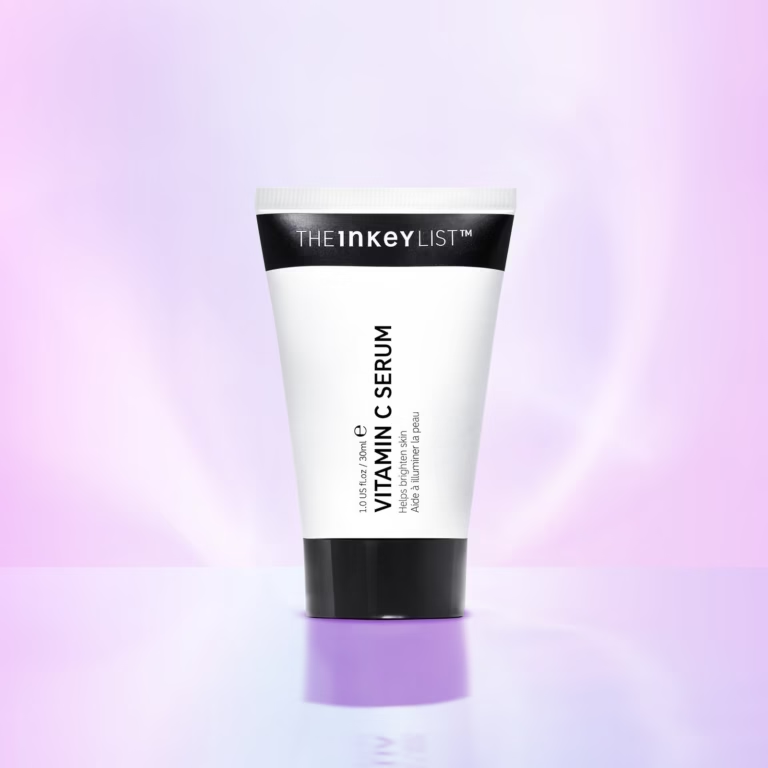
The INKEY List Vitamin C Serum
L-ascorbic acid: 30%
Other active ingredients: Ascorbic Acid
Yuka score: 100/100
At 30%, this is the highest concentration on the list – and honestly, it was my first vitamin C serum, and my skin did not like it. I’d only recommend this if you have used vitamin C for a long time and have built up tolerance. If you’re new to it, start much lower.
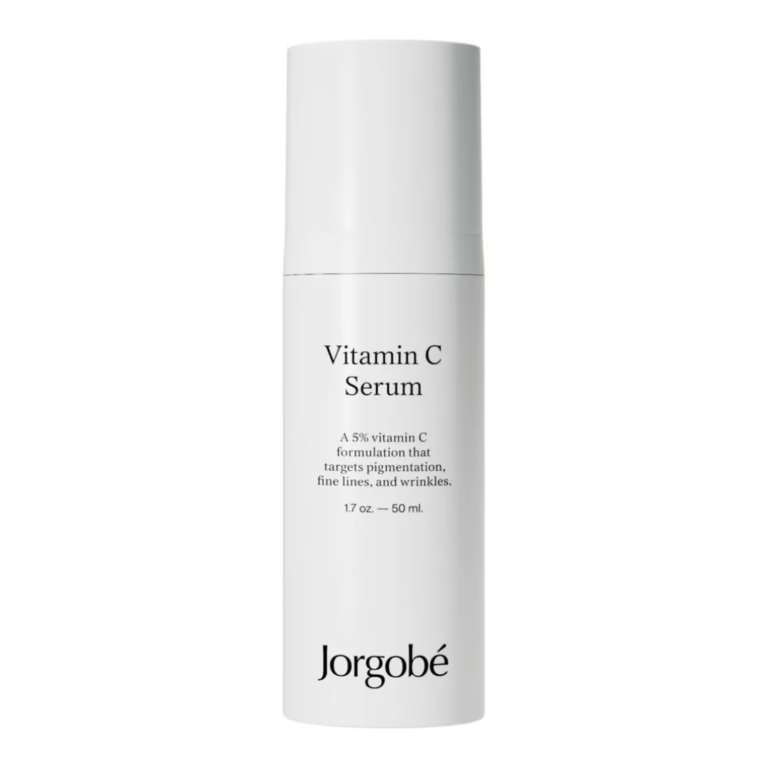
JorgObé Vitamin C Serum
L-ascorbic acid: 5%
Other active ingredients: Hyaluronic Acid
Yuka score: 100/100
A Scandinavian brand with a clean formula and good availability across Europe. At 5% with hyaluronic acid, it’s great for sensitive or dry skin – the kind of low-key daily option that still works.
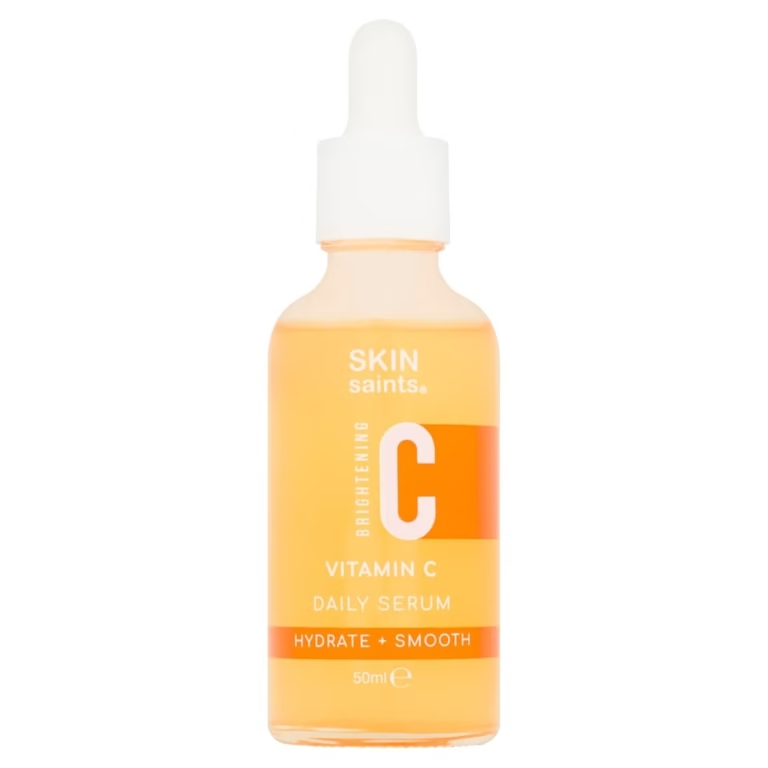
Skin Saints Illuminating Vitamin C
L-ascorbic acid: 2% (as Ethyl Ascorbic Acid)
Other active ingredients: Niacinamide, Paeonia Officinalis Root Extract
Yuka score: 100/100
At £4 from Tesco, this is the most affordable option on the list. The niacinamide addition helps with redness and uneven skin tone. Don’t let the price fool you – the Yuka score is 100/100 and the ingredient list is genuinely clean.
You can learn more about Yuka and its scoring system here.
One thing that many people forget is that the bottle your serum comes in matters almost as much as what’s inside it.
Why Packaging Matters for Vitamin C Serums
Vitamin C is very unstable. L-ascorbic acid starts degrading the moment it’s exposed to air, heat, or light – which means the packaging your serum comes in is almost as important as the formula itself.
What to look for:
- Dark glass or opaque bottles – protect against light degradation. Clear bottles look pretty but accelerate oxidation. If your vitamin C serum is in a clear bottle, keep it away from the light.
- Pump dispensers – minimize air exposure every time you use the product. Dropper bottles let air in with each use.
- Small openings – less surface area exposed to air means slower degradation.
- Powder format – the most stable option of all, because the vitamin C only activates when you mix it with liquid.
A simple check: if your vitamin C serum has turned yellow or orange, it has already oxidized and lost most of its effectiveness. A fresh, stable product should be clear, pale yellow at most.
You might wonder why so many brands use dropper bottles when they’re actually the worst format for vitamin C – every time you open the dropper, air gets in, and the serum starts oxidizing. Honestly, I couldn’t find a scientific reason for it either. My best guess is that droppers look beautiful in flat lays and marketing photos, and they’re significantly cheaper to produce than airless pump bottles.
That doesn’t mean a dropper-format serum won’t work – it just means you need to be a bit more careful with storage. Keep it in the fridge to slow down oxidation, always close the lid tightly straight after use, and try to finish it within 3 months of opening. If it turns noticeably yellow or orange before you’re done – it’s already oxidized and won’t be doing much for your skin.
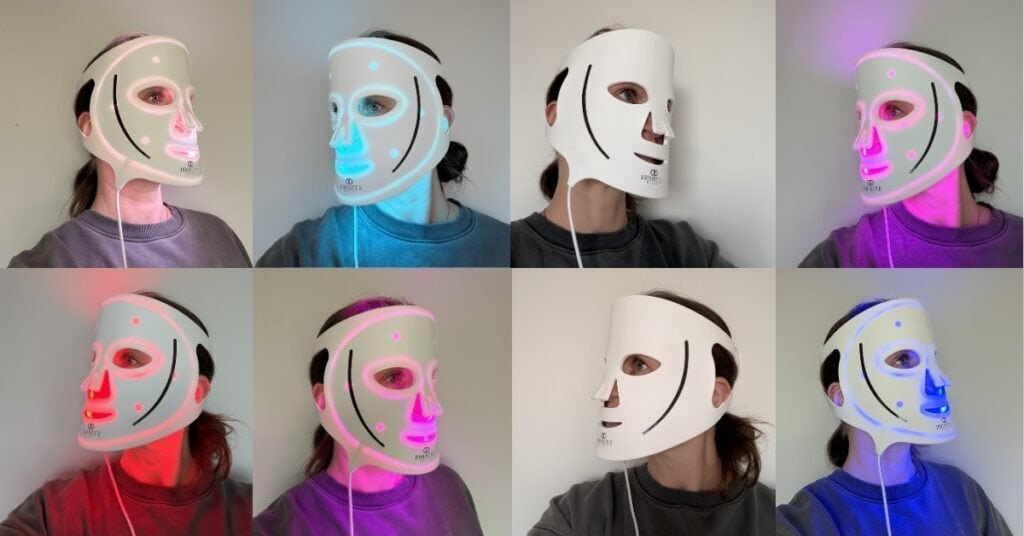
Check out the Best Red Light Therapy Masks. Using Red Light Therapy before applying your serums can help to absorb them better and boost the benefits.
To summarise the Best Vitamin C Serums
Vitamin C serums are a great addition to every morning and evening skincare routine, with great benefits for aging skin that needs a bit more help to stay radiant and glowing. If you have never used vitamin C, start with a gentle formulation that has under 10% of L-ascorbic acid and work your way up.
Editorial Note: This post is for informational purposes only. Product formulations and research in this area can change – always check current sources and ingredient labels.
References
- Isoir-Ingrez, M., Veriato, A., Figueiredo, S., Cornillon, C., Hassler, S., Wang, P., & Simonnet, J. (2025). In vivo efficacy of a stabilized Vitamin C‐based serum at pH 6 on some ageing facial signs of women of different ages and phototypes. International Journal of Cosmetic Science, 47, 424 – 433. https://doi.org/10.1111/ics.13037.
- Prajapati, M., & Tambe, B. (2025). Anti-aging and Brightening Vitamin C face Serum. International Journal of Science and Research Archive. https://doi.org/10.30574/ijsra.2025.14.3.0832.
- Pullar, J., Carr, A., & Vissers, M. (2017). The Roles of Vitamin C in Skin Health. Nutrients, 9. https://doi.org/10.3390/nu9080866.
- Darr D, Dunston S, Faust H, Pinnell S. Effectiveness of antioxidants (vitamin C and E) with and without sunscreens as topical photoprotectants. Acta Derm Venereol. 1996 Jul;76(4):264-8. doi: 10.2340/0001555576264268. PMID: 8869680. https://pubmed.ncbi.nlm.nih.gov/8869680/

Silvija Meilunaite, PN1-NC, CSMC, is a certified nutrition coach and menopause coaching specialist. Combining current scientific research with her own experience of perimenopause, she writes evidence-based articles, practical guides, and in-depth product reviews to help women over 40 make informed decisions about nutrition, strength training, recovery, supplements, non-toxic living, and wellness products.