
I’ve been drinking matcha long before it became so popular. But when I hit perimenopause, my relationship with caffeine started to change. I used to have five cups of strong coffee a day, and I feel fine. But now, it makes me jittery, and after some time feeling awake, I feel a sharp energy crash, and my sleep gets worse with every cup past 11 am.
Matcha doesn’t have those problems for me – and the more I looked into the research, the more it actually made sense for women in midlife specifically.
So this is not a generic “Is matcha good for you?” article. It’s about whether matcha makes sense for women over 40 during perimenopause – what the research actually supports, where it’s still thin, and how it compares with coffee when your cortisol is already doing too much. I’ll also cover caffeine, the nutritional profile, and will point out some benefits and gaps in studies.
The short version
- Yes, matcha can be a smart swap for coffee in perimenopause. Less caffeine (30-35 mg vs 95 mg), and the L-theanine smooths the energy flow so it doesn’t spike cortisol the way coffee does.
- It may help with brain fog. The L-theanine + caffeine combination has solid research supporting attention and calm focus. It’s not a fix for perimenopausal brain fog, but it can help.
- It may improve sleep quality, although it is caffeinated, and you should avoid drinking it after lunch.
- The truth: matcha is not a substitute for sleep, stress management, or hormone therapy. It is a small addition to a healthy lifestyle.
- Quality instead of quantity. Ceremonial-grade Japanese matcha gives you the L-theanine and EGCG benefits without the bitterness or fillers found in cheap powders. See my picks here.
Matcha’s Nutrition and Why Is It So Popular?
Matcha is a very high-quality Japanese green tea that is made by whisking powdered tea leaves into hot water, rather than steeping whole leaves. Traditionally, Matcha leaves are grown in the shade; therefore, the tea has a more subtle and less bitter flavor. Growing matcha in the shade also increases biologically active compounds, including theanine, caffeine, chlorophyll, and various types of catechins. (1)
So, Matcha is becoming so popular because of its health benefits and its more gentle taste that is more palatable than a regular green tea.
If you would like to buy your first good-quality Matcha, I have created a list of the best Japanese matcha you can get here: The Best Matcha Powder To Buy: Grades, Brands & What To Look For
Since matcha is powdered green tea leaves, you’re consuming the entire leaf, which gives you more nutrients and antioxidants than steeped tea. Matcha tea is high in Polyphenols & Catechins: Especially EGCG, one of the most potent plant compounds for metabolic and anti-inflammatory benefits.
Matcha is also rich in L-theanine, which works with caffeine and makes you feel energized more steadily, without energy ups and downs like from coffee. This is one reason matcha is becoming so popular in both wellness and fitness communities.
Here’s a detailed breakdown of the nutrition facts of matcha per 1-gram serving (about half a teaspoon), which is normally used for one cup of matcha.
| Nutrient | ~Amount | Key Benefits |
|---|---|---|
| Calories | 3 kcal | Very low calorie, ideal for weight management |
| Protein | 0.3 g | Trace amount, not a significant protein source |
| Fat | 0 g | Almost none |
| Carbohydrates | 0.4 g | Includes fiber; minimal sugar |
| Fiber | 0.3 g | Supports digestion and gut health |
| Vitamin C | 1.75 mg | Antioxidant, supports immunity |
| Vitamin A (as beta-carotene) | 290 µg | Eye health, skin, immune support |
| Vitamin K | 29 µg | Bone health, blood clotting |
| Potassium | 27 mg | Heart health, electrolyte balance |
| Caffeine | 35 mg | Focus, alertness (with smoother energy curve thanks to L-theanine) |
| L-theanine | 15–20 mg | Promotes calm focus, reduces stress |
| EGCG (Epigallocatechin gallate) | 60–100 mg | Powerful antioxidant, supports metabolism, may help fight inflammation & cancer |
| Chlorophyll | High | Detoxifying properties, supports skin and immune health |
Please note that these amounts of nutrients are estimated and will vary in different kinds and brands of matcha.
To get a bit of a better picture, let’s have a look at how matcha compares with other popular caffeinated drinks, including coffee, green and black tea, and cocoa.

Matcha, Coffee, Green Tea, Black Tea vs Cacao Comparison
| Drink | Caffeine (per cup) | Key Compounds | Energy Effect | Taste Profile | Best For |
|---|---|---|---|---|---|
| Matcha | 35 mg | L-theanine, EGCG, chlorophyll, catechins | Calm alertness, sustained focus | Earthy, umami, slightly bitter | Mindful mornings, focus, antioxidants |
| Coffee | 95 mg | Caffeine, chlorogenic acids | Quick jolt, can cause crash | Bitter, acidic | Morning energy, productivity |
| Green Tea | 30 mg | Catechins (EGCG), theanine | Light lift, smooth focus | Light, grassy | Afternoon sipping, mild energy boost |
| Black Tea | 47 mg | Theaflavins, caffeine, thearubigins | Moderate energy, more jittery | Robust, malty | Breakfast tea, energy without coffee |
| Cacao (Ceremonial) | 15–25 mg | Theobromine, magnesium, phenylethylamine (PEA) | Gentle uplift, heart-opening feel | Rich, chocolaty, slightly bitter | Mood support, creativity, evening ritual |
Each drink has its own benefits, but here is a quick summary:
Matcha: Is high in antioxidants (up to 137x more than green tea) and is great for calm focus.
Coffee: Strongest caffeine punch, but can spike cortisol and acid levels.
Green Tea: Gentle on the gut, contains both caffeine and theanine.
Black Tea: Bolder flavor, moderate caffeine, good for coffee transitioners.
Cacao: Contains theobromine, a gentler stimulant than caffeine, which boosts mood and blood flow.
How much caffeine does matcha have compared to other drinks?
A 1-gram serving of matcha contains around 30–35 mg of caffeine, less than coffee or black tea, but more than regular green tea. The L-theanine helps smooth the caffeine spike, so you will not get caffeine jitters and the feeling of tiredness after a few hours. Instead, you will feel a steady energising feeling throughout the day.
If you are struggling to sleep, you should avoid any caffeine at least 8 hours before bed.
Why matcha could be good for you during perimenopause
In perimenopause, your stress response is changing. Fluctuating estrogen affects how your body regulates cortisol, your sleep gets lighter, and you might feel that the same amount of coffee you drank for years suddenly leaves you wired, anxious, or struggling with sleep.
That’s why it can be good to switch to matcha.
Coffee delivers caffeine quickly, which can spike cortisol – the hormone that’s already elevated for women in midlife. Matcha contains less caffeine (around 30-35 mg per cup versus 95 mg for coffee), but it also contains L-theanine, an amino acid that promotes calm, focused alertness. This combination is why matcha gives a smoother, longer energy without the spike and crash.
In your 40s, your nervous system is already more reactive than it used to be; that difference is real. It’s also why I personally find it easier to drink matcha than coffee right now, even though I still love coffee.
But just to be clear:
- This isn’t a substitute for sleep, stress management, or hormone therapy if you need it.
- Caffeine is still caffeine. If you’re sensitive, even matcha can affect sleep if you have it after early afternoon, and you might want to choose a tea without caffeine, like lemon balm tea.
- The research on matcha specifically in perimenopausal women is still limited. Most of what we know comes from studies on green tea, catechins, and L-theanine separately – not on matcha and menopause as a specific intervention.
What the research does support, quite well, is that matcha can be a useful tool for the symptom clusters most women in midlife actually deal with: cognitive fog, blood sugar swings, low-grade inflammation, and stress.
Let’s look into the benefits deeper.
Wondering if this is perimenopause?
Check how many of the 100+ known symptoms you're experiencing with our free Perimenopause Symptom Awareness Tool.
Take the Symptom Checker →Potential Health Benefits of Matcha In Perimenopause
Matcha could help with brain fog
Brain fog is one of the most common perimenopause complaints. I also suffer from it. Fluctuating estrogen affects neurotransmitters like acetylcholine and dopamine that handle memory and focus, so you are not imagining it (4).
Matcha contains three compounds that could help: caffeine, L-theanine, and EGCG (epigallocatechin gallate, the main catechin in green tea).
L-theanine + caffeine is one of the most studied “nootropic” combinations in nutrition science. On its own, caffeine sharpens attention but can also crank up anxiety. L-theanine, an amino acid found almost exclusively in tea plants, promotes alpha brain wave activity, which is associated with calm focus (5). Studies on the combination consistently show improvements in attention, task-switching, and reaction time (6). Matcha contains more L-theanine than regular green tea because the leaves are shade-grown before harvest, which increases theanine content. You are also consuming the powdered leaf instead of just steeping it and drinking just water.
Matcha and sleep quality in midlife
This one surprised me when I first looked at the research, as I expected a caffeinated tea to make sleep worse, not better.
The Uchida 2024 trial tracked sleep quality over 12 months and found significant improvement in the matcha group compared to the placebo (7). A separate 2024 study published in Nutrients looked at four weeks of daily matcha and found that subjective sleep quality improved as well.
For women in perimenopause, where the most common symptom is disturbed sleep, this sounds promising.
But you still need to keep this in mind: caffeine is still caffeine. So even with matcha’s lower dose, having it after lunch can affect sleep onset for sensitive sleepers. If you’ve never paid attention to your personal caffeine cutoff, now is a good time to start. I personally don’t drink matcha or any caffeine after lunch, and I can definitely feel the difference.
May Help Manage Blood Sugar
Insulin resistance worsens through perimenopause; it’s one of the main biological reasons women gain visceral fat in midlife, even when nothing else changes. Matcha catechins have stronger human evidence here than for almost any other benefit. Matcha can support healthy blood sugar levels by slowing down how fast sugars are released from food. It may also help your body respond better to insulin.(1)
Matcha green tea has high antioxidant and anti-inflammatory properties and may have positive effects on our physical and mental health. Here are some mostly studied health benefits of matcha:
Has Anti-inflammatory Properties
EGCG in matcha helps calm chronic inflammation in the body, which is linked to many diseases like heart issues, liver problems, and even gallstones. It reduces harmful molecules (ROS) and calms immune overreactions. (1)
Can Supports Heart Health
Matcha may protect your heart by lowering inflammation, improving blood fat levels, and reducing damage caused by things like smoking or stress. It may also help prevent heart injury during surgeries by reducing oxidative stress. (1)
Overall, matcha is not a miraculous cure but a great addition to a brain-supportive diet, like foods rich in omega-3, alongside lifestyle habits like sleep and exercise.
If you are looking for the best tools to make a perfect matcha, I have them all listed in one place: Best Matcha Whisks, Bowls, and Sets for Making the Perfect Matcha Latte.
FAQ about Matcha
What does matcha taste like?
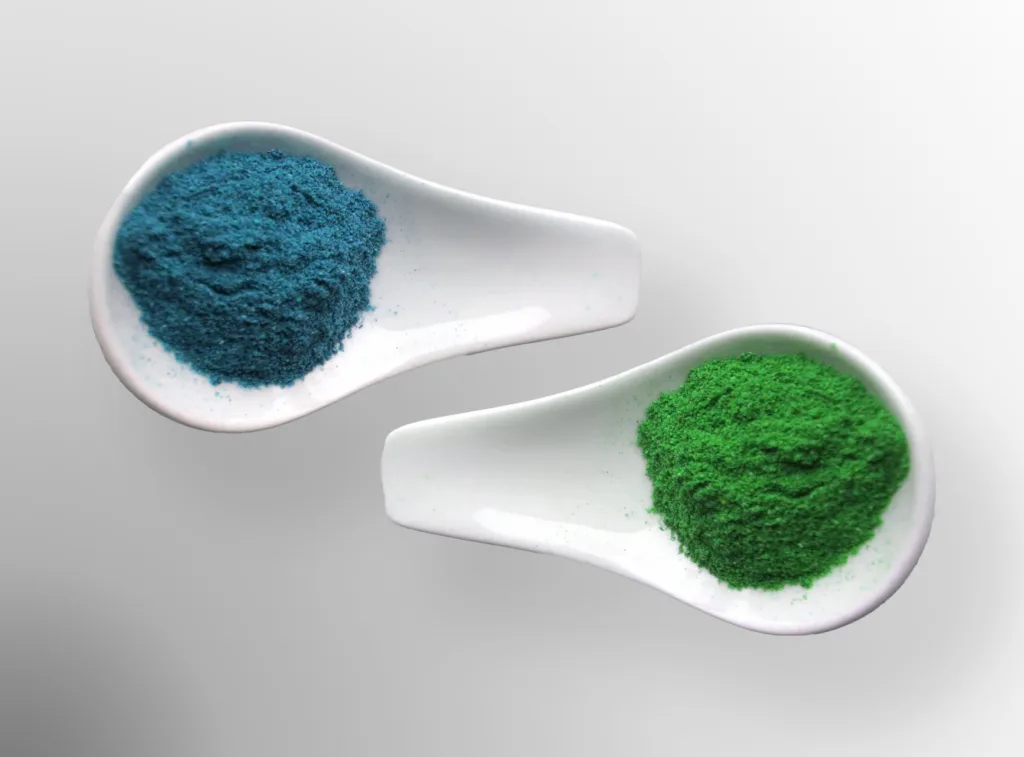
Like with green tea or coffee, there are many variations and qualities of matcha tea, and the taste can be very different. Matcha tea varies from smooth and naturally sweet or umami ceremonial grade to mild and earthy to bitter lower grade matcha. The better quality of Matcha, the more color and sweet and subtle taste it will have. Good quality matcha should never taste bitter, chalky, or grainy.

Is matcha the same as green tea?
Yes and no.
Matcha comes from the same green tea leaf. The difference is that matcha is a green tea that is grown in the shade and then steamed, dried, and ground into a very fine powder. Green tea is grown exposed to sunlight, and the leaves are steeped in hot water and removed before drinking.
Does matcha have caffeine?
Yes, it does, but not as much as coffee or black tea. Matcha has approximately 35mg of caffeine per cup compared to 95mg in coffee and 47mg in black tea. You can expect to get some energy, but without the jitters of coffee. I would still recommend not drinking matcha 8 hours before bed if you are struggling with sleep.
What is matcha made of?
Matcha is made of Japanese powdered green tea leaves that are grown in the shade to preserve nutritional compounds and keep the leaf tasting more subtle and less bitter. Traditionally, matcha is made by mixing leaf powder with hot but not boiling water. In recent years, mixing matcha powder with milk has become popular, especially in the Western world.
To summarise:
Matcha is an amazing drink during perimenopause that has so many health benefits. If you’re trying to cut back on coffee and want a drink that is not only energizing but also can help with perimenopause symptoms, matcha might be perfect for you. Enjoying even one cup a day can improve your gut, heart, and brain health. Just keep in mind that quality matters, especially as it has become so popular. It is also important to keep in mind that even if it has less caffeine than black coffee, it can still disturb your sleep if consumed too late in the day. I also want to point out that how you drink your matcha is important. If I order matcha, I avoid popular matcha drinks with syrup and cream, as all the added stuff defeats the benefits.
Health & Safety Note: This post is for informational purposes only. Individual needs vary – if you have any health conditions or concerns, consult a healthcare professional before making changes to your nutrition routine.
references
- Kochman, J., Jakubczyk, K., Antoniewicz, J., Mruk, H., & Janda, K. (2020). Health Benefits and Chemical Composition of Matcha Green Tea: A Review. Molecules, 26. https://doi.org/10.3390/molecules26010085.
- Wang, Y., Yu, Y., Ding, L., Xu, P., & Zhou, J. (2022). Matcha green tea targets the gut–liver axis to alleviate obesity and metabolic disorders induced by a high-fat diet. Frontiers in Nutrition, 9. https://doi.org/10.3389/fnut.2022.931060.
- Uchida, K., Meno, K., Korenaga, T., Liu, S., Suzuki, H., Baba, Y., Tagata, C., Araki, Y., Tsunemi, S., Aso, K., Inagaki, S., Nakagawa, S., Kobayashi, M., Kakuma, T., Asada, T., Ota, M., Takihara, T., & Arai, T. (2024). Effect of matcha green tea on cognitive functions and sleep quality in older adults with cognitive decline: A randomized controlled study over 12 months. PLOS ONE, 19. https://doi.org/10.1371/journal.pone.0309287.
- Weber MT, Maki PM, McDermott MP. Cognition and mood in perimenopause: a systematic review and meta-analysis. J Steroid Biochem Mol Biol. 2014 Jul;142:90-8. doi: 10.1016/j.jsbmb.2013.06.001. Epub 2013 Jun 14. PMID: 23770320; PMCID: PMC3830624. https://pubmed.ncbi.nlm.nih.gov/23770320/
- Kelly SP, Gomez-Ramirez M, Montesi JL, Foxe JJ. L-theanine and caffeine in combination affect human cognition as evidenced by oscillatory alpha-band activity and attention task performance. J Nutr. 2008 Aug;138(8):1572S-1577S. doi: 10.1093/jn/138.8.1572S. PMID: 18641209. https://pubmed.ncbi.nlm.nih.gov/18641209/
- Owen GN, Parnell H, De Bruin EA, Rycroft JA. The combined effects of L-theanine and caffeine on cognitive performance and mood. Nutr Neurosci. 2008 Aug;11(4):193-8. doi: 10.1179/147683008X301513. PMID: 18681988. https://www.mdpi.com/2072-6643/16/17/2907
- Uchida K, Meno K, Korenaga T, Liu S, Suzuki H, et al. (2024) Effect of matcha green tea on cognitive functions and sleep quality in older adults with cognitive decline: A randomized controlled study over 12 months. PLOS ONE 19(8): e0309287. https://doi.org/10.1371/journal.pone.0309287

Silvija Meilunaite, PN1-NC, CSMC, is a certified nutrition coach and menopause coaching specialist. Combining current scientific research with her own experience of perimenopause, she writes evidence-based articles, practical guides, and in-depth product reviews to help women over 40 make informed decisions about nutrition, strength training, recovery, supplements, non-toxic living, and wellness products.