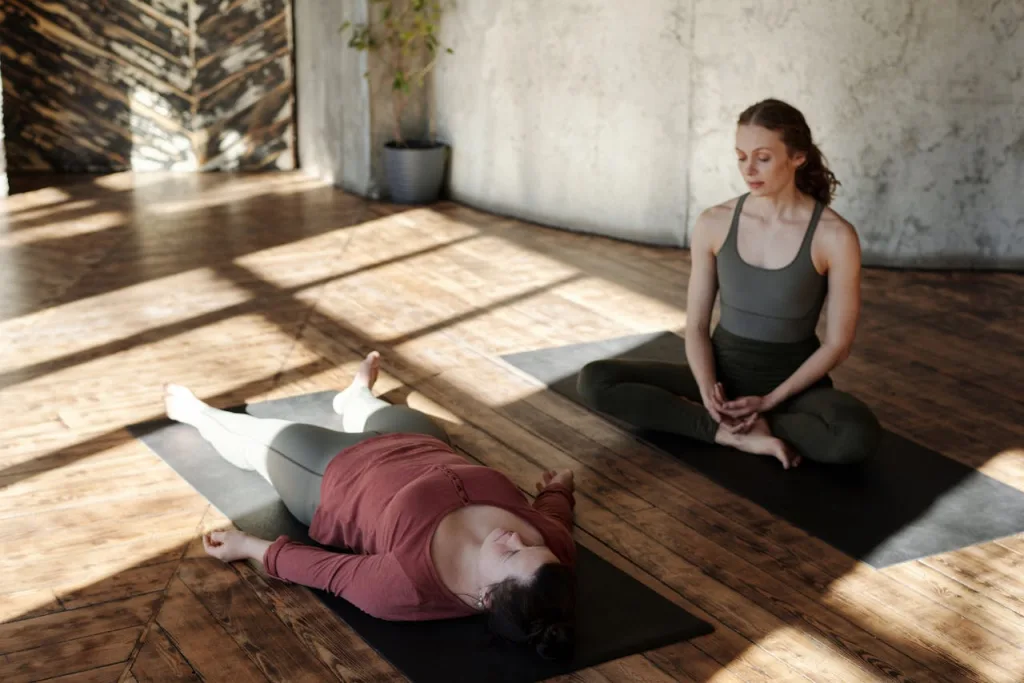
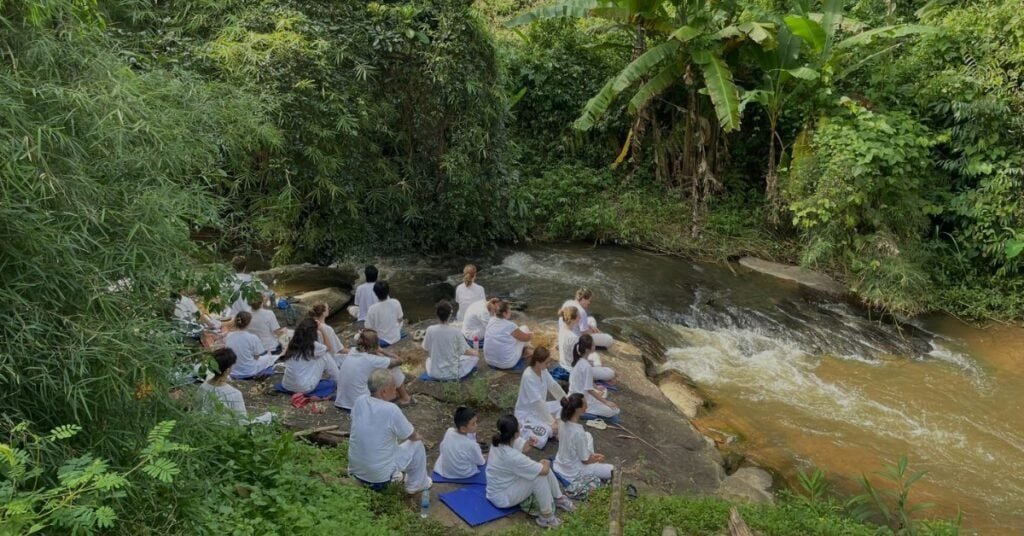
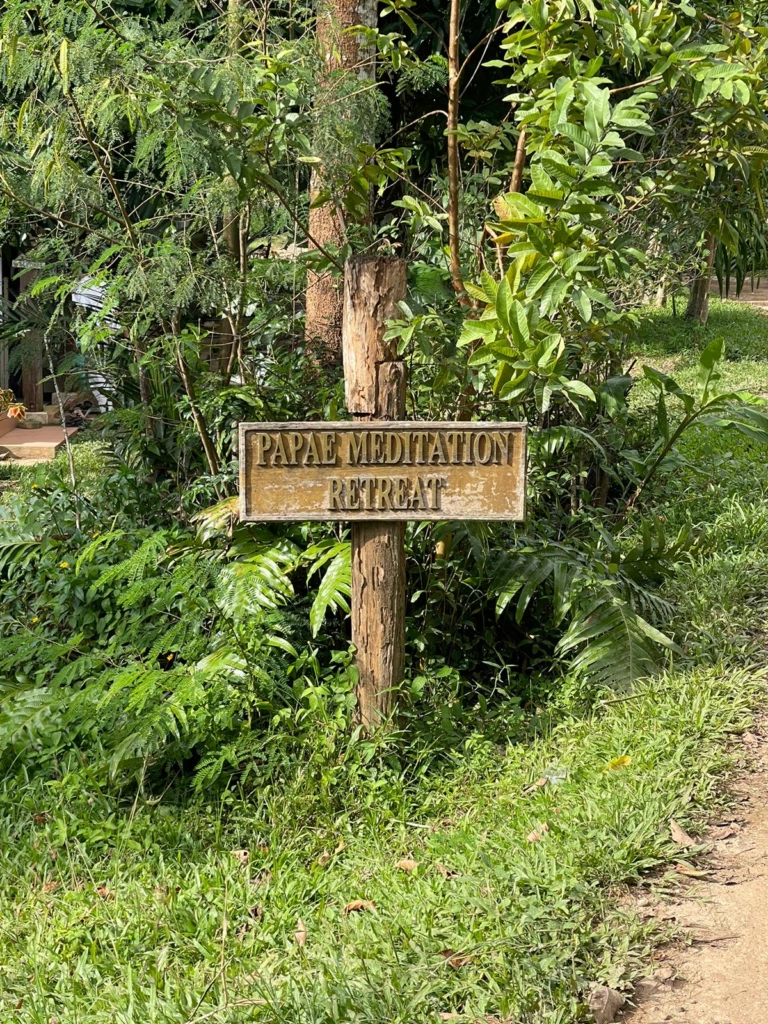
Like many people, I have felt the urge to disconnect from all the world’s worries and focus on my inner peace. Travelling to Chang Mai in Thailand allowed me to do so, and my research for meditation centres began. After reviewing a few options, I have chosen Pa Pae Meditation Retreat, which is only an hour and a half drive from Chang Mai.
I was excited but also worried about sleeping with strangers in basic accommodation, waking up at 5 a.m., and eating my last meal at 11:30 a.m. But I gathered all my bravery and decided to try it, and I am so glad I did.
I want to share my experience and tell you how I found it so you know what to expect if you consider attending a meditation retreat in Thailand.
How much does Pa Pae Meditation Retreat cost?
Pa Pae Meditation Retreat offered a 3-night stay with sleeping accommodation, scheduled meditation, lectures, activities, and two daily meals for 1500 baht ($45) for all 3 days.
If you liked the 3-day structured retreat, you can extend your stay for 500 baht or $15 a night for as long as you wish.
This is not a luxury retreat, and the price is very reasonable for the accommodation and food, and the knowledge, peace, and wisdom you get is priceless. If you like, you can also add to the donation at the end of the retreat.
3-day meditation retreat schedule:
The structured 3-Day retreat consisted of Formal teachings by Buddhist Monks spread across three days with four meditations daily. Discovering the meditation practice called The Middle Way.
The overview of the schedule:
Each day started at 6 a.m. or 5:30 a.m. Breakfast was around 7:30 a.m., and lunch was around 11:30 a.m. Most days, the program was finished around 9 p.m.
Arrival day:
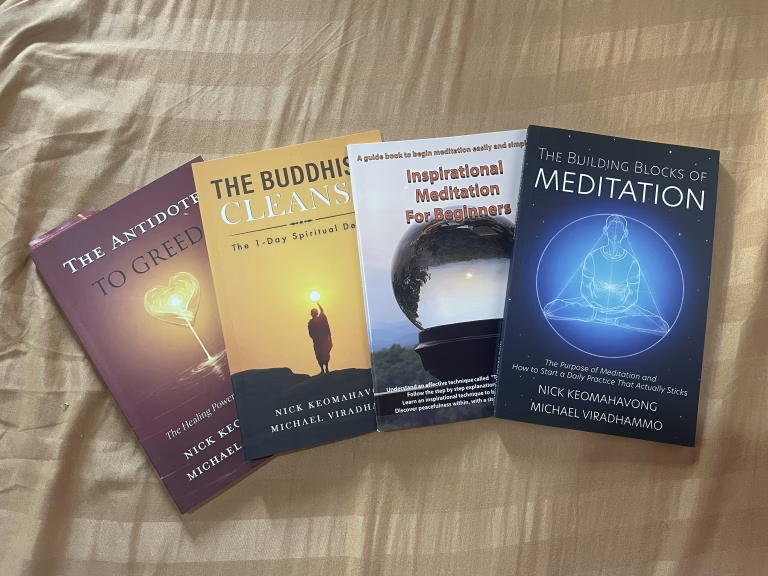
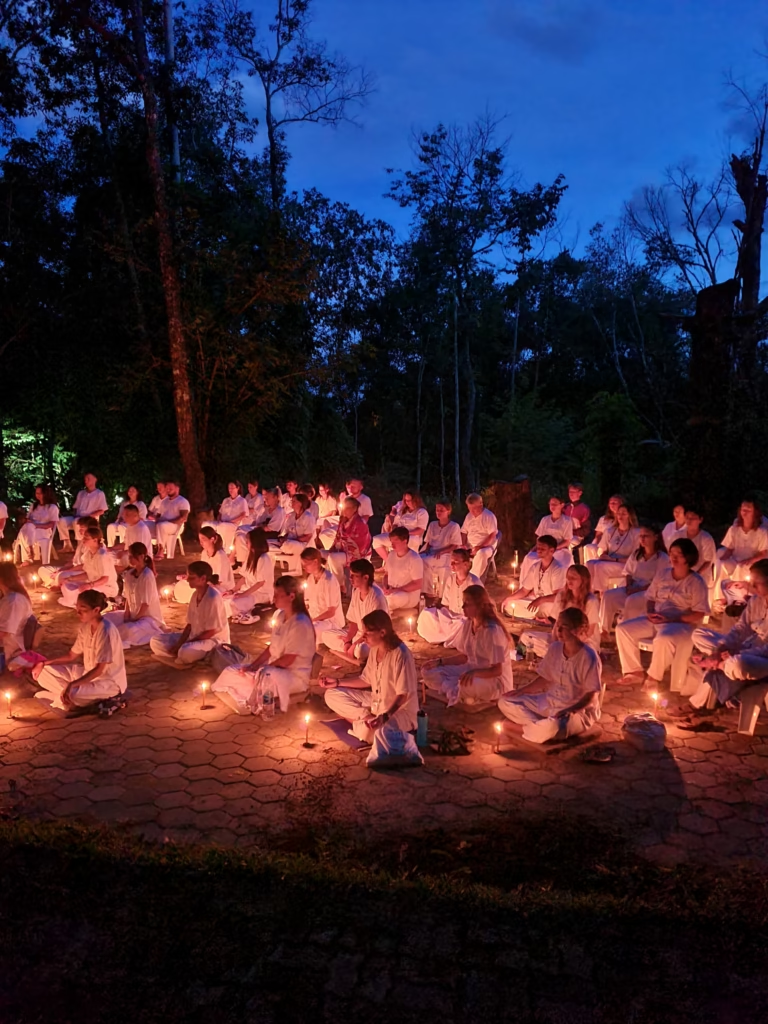
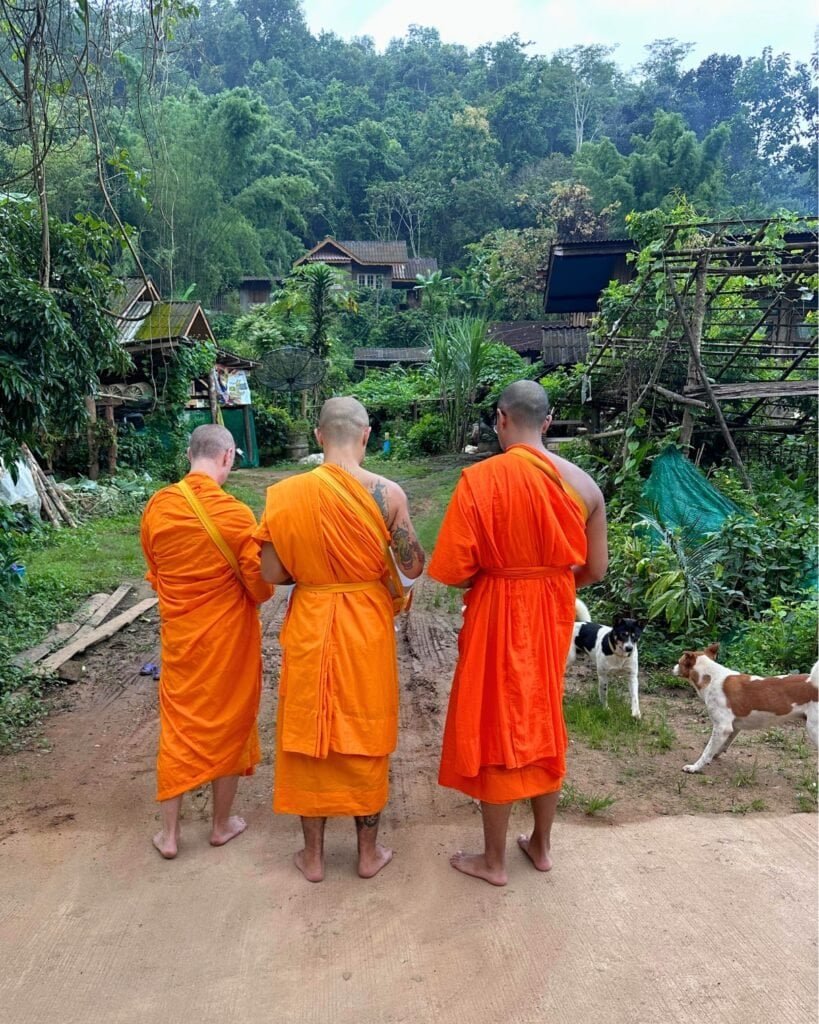
Most of the people arrived via minibus from Chang Mai or Pai. After we all changed into white clothes, got our books, and had our accommodation assigned, accompanied by a monk and three beautiful dogs, we were shown the beautiful grounds. There were around 60 of us ( way more than I expected), but I was lucky to be allocated a private bungalow with two beds and a fan.
We then had an introduction to meditation, finished with 30 minutes of practice, and went to bed.
First day:
On the first day, we had to stay silent trough out all day to go inward and not distract ourselves with chatter. I found it so beneficial and loved just absorbing everything around me without talking. I also found that without anyone else’s opinions, you can enjoy the moment without being influenced. Being silent on the first day helped the mind to slow down and take in the beautiful surroundings.
Second day:
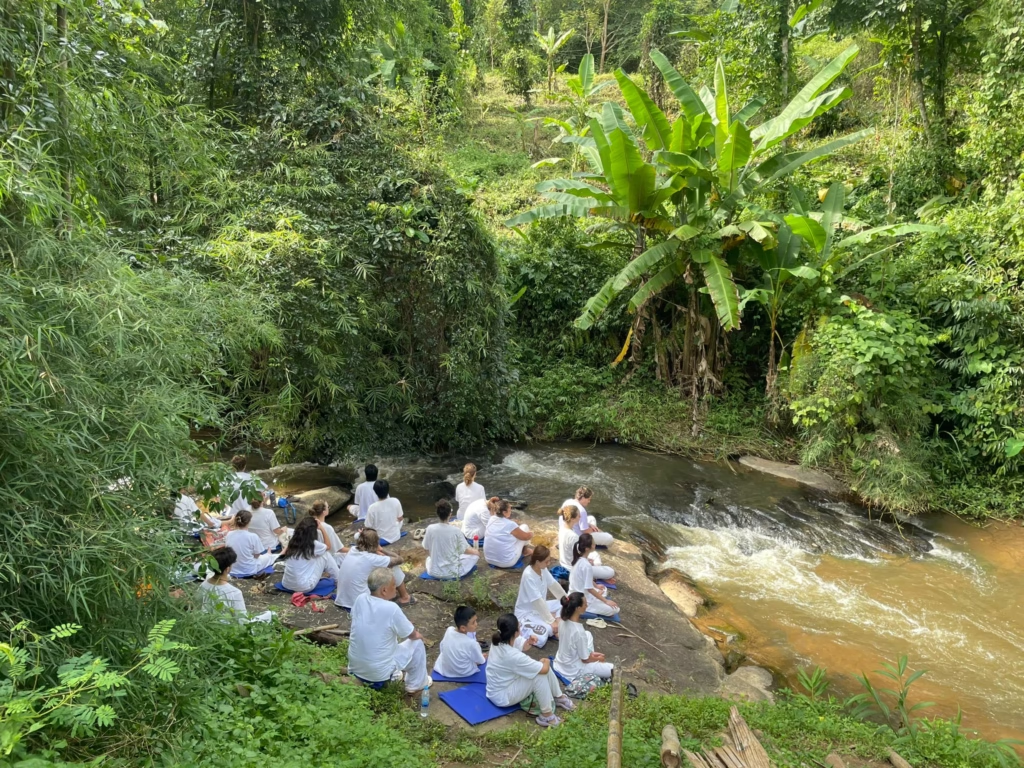
Meditating on the bank of a river, barefoot walking meditation, meditating around a fire in a jungle. This day was all about feeling one with nature. Despite mosquito bites (I suppose a part of nature), it was so peaceful and a great way to meditate, especially in the evening when all the jungle around you wakes up with the sounds of birds, frogs and insects becoming so loud and helping you to ease in into meditation.
Third day:
This day started earlier with a 5:30 meditation and chanting. We then joined the monks to collect the alms ( food donations) in the village. It was magical to see old Thai ladies so excited to see monks with a group of white-dressed foreigners. They were so warm and welcoming.
After lunch, we had our last group meditation, listened to personal monk stories, and closed off by sharing our individual experiences.
Location
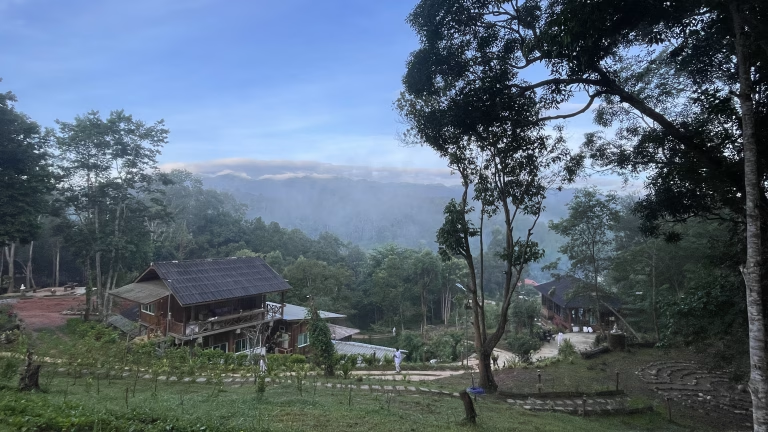
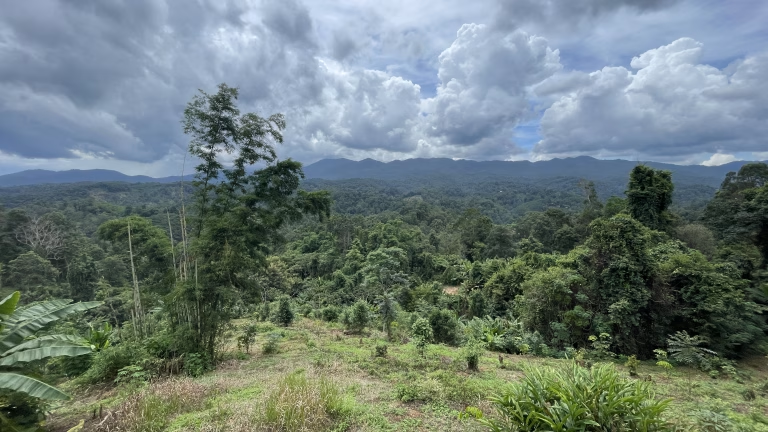
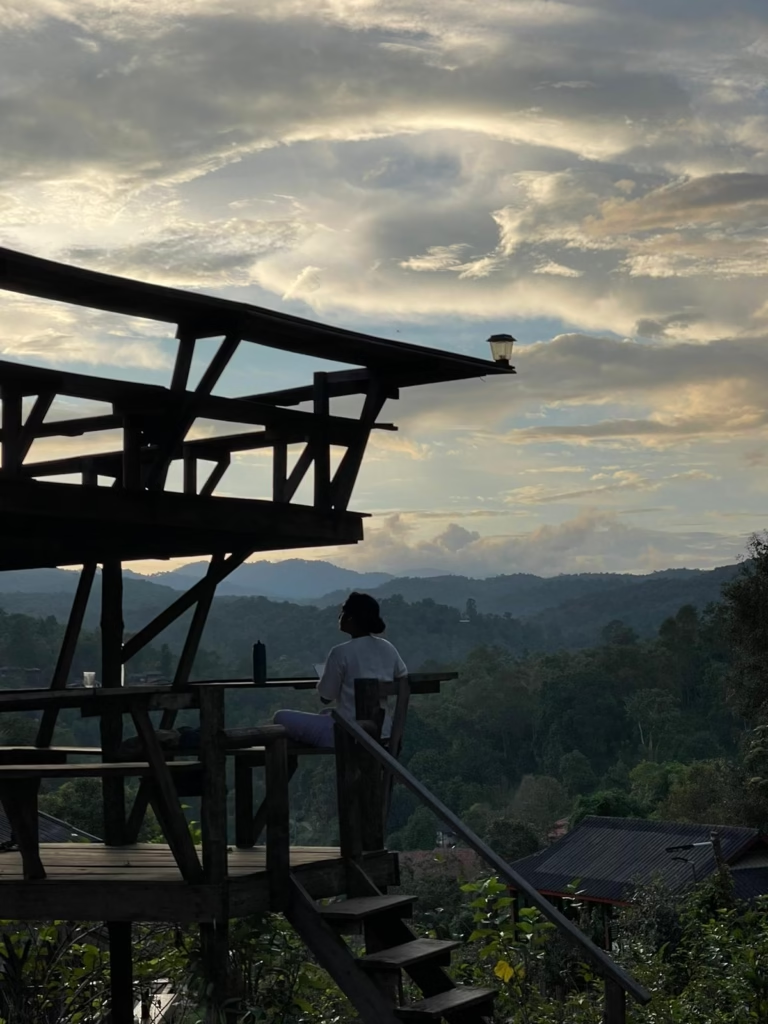
The location is truly magical! Pa Pae meditation retreat is nestled in the jungle, and the village is peaceful and vibrantly green. A lush jungle surrounds you, with frogs and birds joining you for meditation. Although I am not a morning person, I will never forget seeing the jungle wake before our morning meditation.
In addition to many halls for meditation, there are also spaces for free time, including a library, beautiful areas to practise yoga, water features, and hammocks everywhere. There are also many swings and viewing points where you can meditate, read, or just sit and watch the nature change around you.
You can also wander off to a nearby village and get to know the locals, who are so lovely and welcoming.
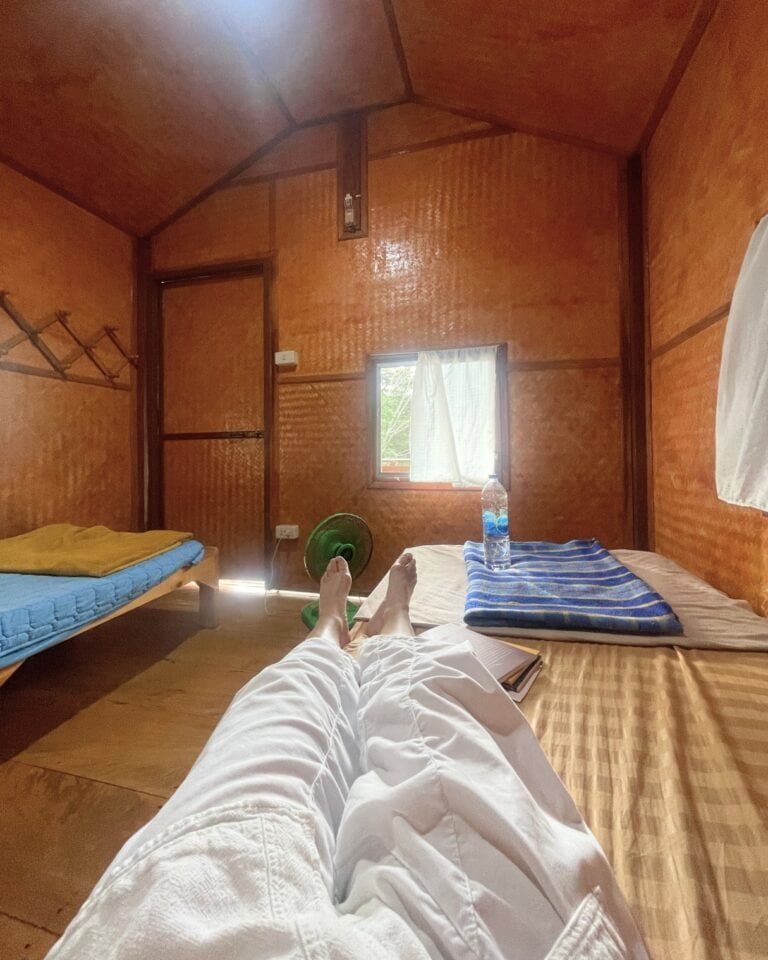
Pa Pae Meditation Retreat Accommodation
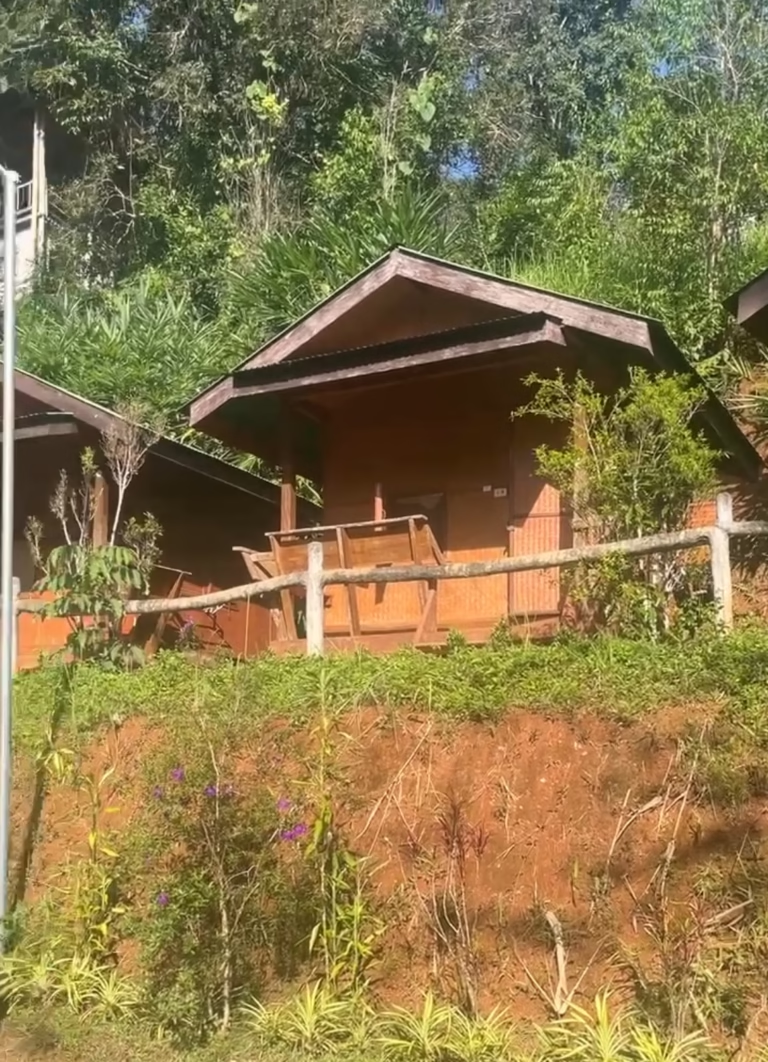
The accommodation was very basic but also had everything you needed. It is not a luxury retreat but a place of simple living.
The bed is small and hard. There is no air conditioning; not everyone was as lucky as I was to get a fan. A few people struggled with sleeping conditions. However, I was surprised that I managed to get a decent amount of sleep and enjoyed the simplicity.
The showers and toilets are shared but always clean. They also had water units so you could fill up your water bottles as much as you like.
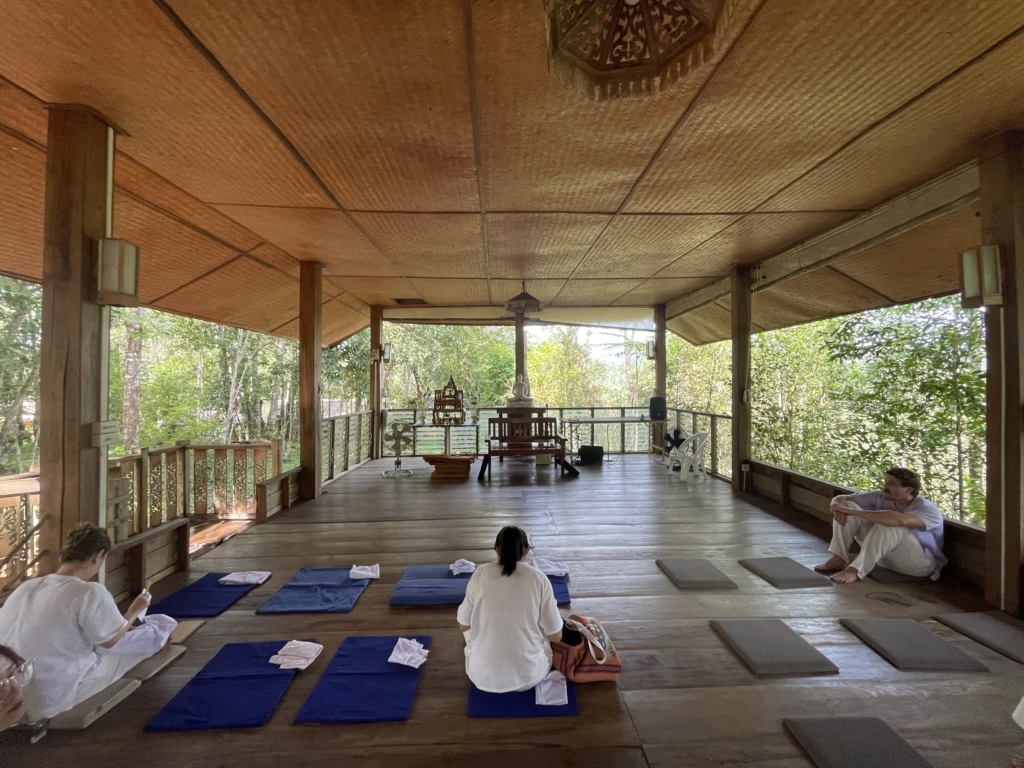
There were two main halls for meditation, but we also meditated in more open areas.
You were provided square, thin mats for meditation or could choose more padded ones. There were a limited number of meditation mats with a backrest. You could also choose to meditate on a chair.
Atmosphere
The experience is so calming and peaceful that you need to experience it to understand it. The monks are very friendly and explain everything in simple words without complicating anything. Simple is a word I would use to describe Pa Pae Retreat. Simple in the most beautiful way.
I loved the honesty and openness of the monks. They shared their personal stories and struggles before becoming monks. I liked the ease and humour, and the vibe was just good.
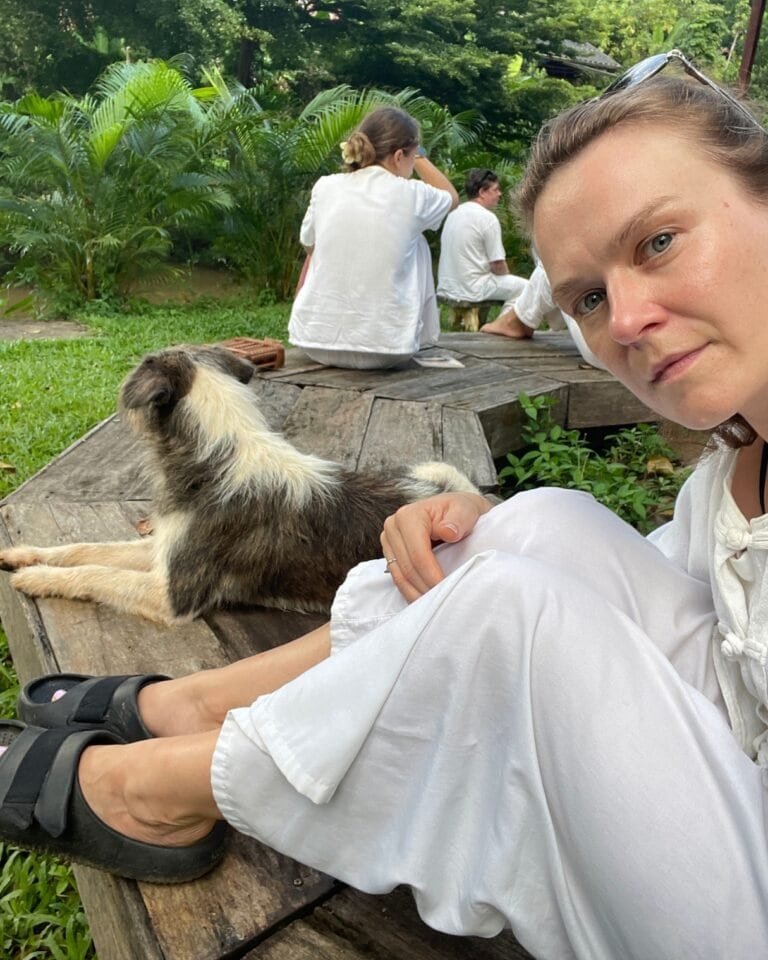
I would also love to mention the dogs. Jessie, Ninja, and Shadow, with newly joined Bruise, followed the group everywhere, keeping all of us safe. They occasionally asked for cuddles or sneaked into places they were not supposed to, making us all smile. It was beautiful to see dogs running around freely and so happy and just being dogs.
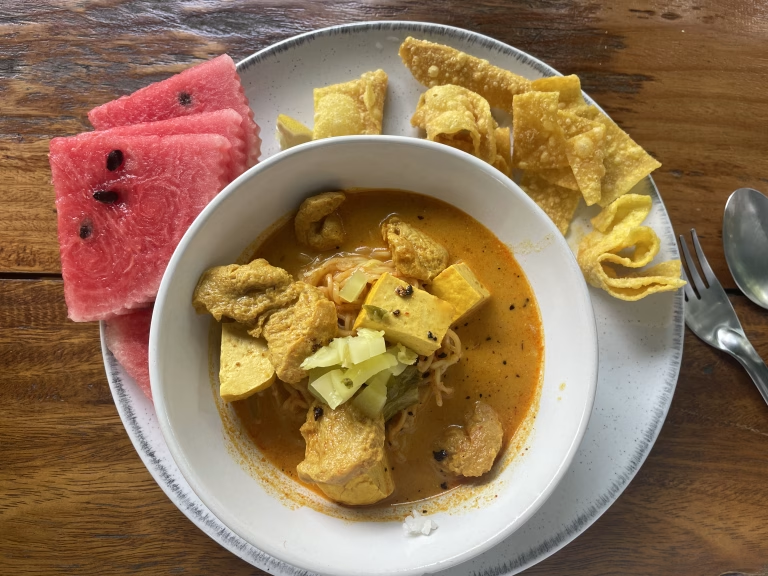
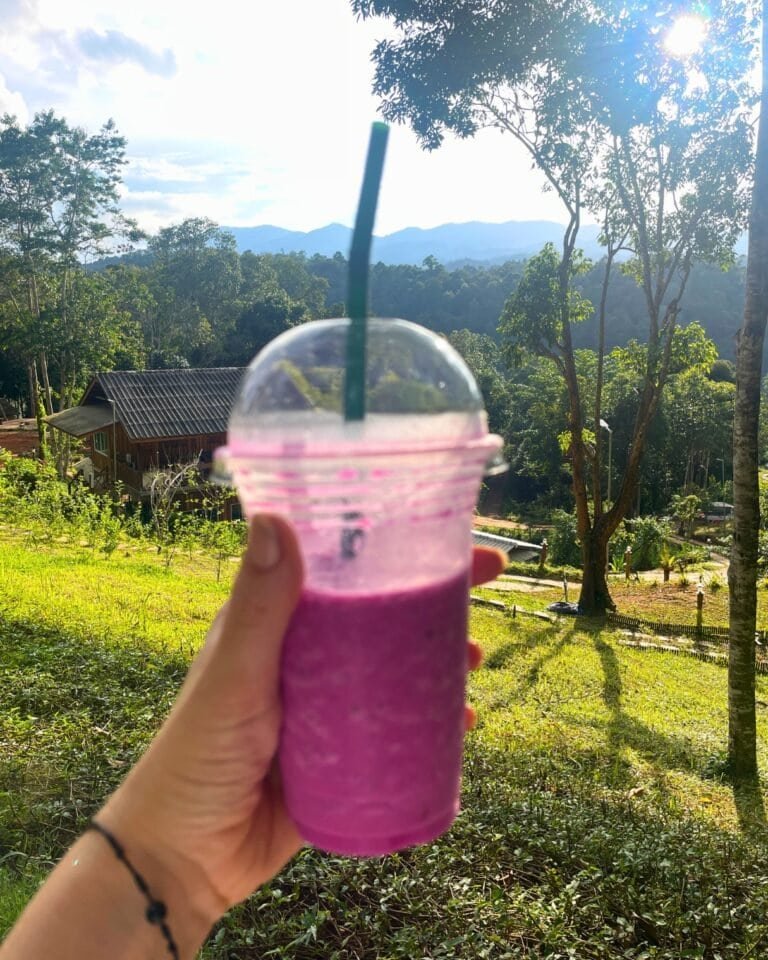
Food
Each meal begins with a bell ring and offerings to monks. We had to offer the food to the monks, as they are only allowed to eat it if they were offered it ( I will explain later).
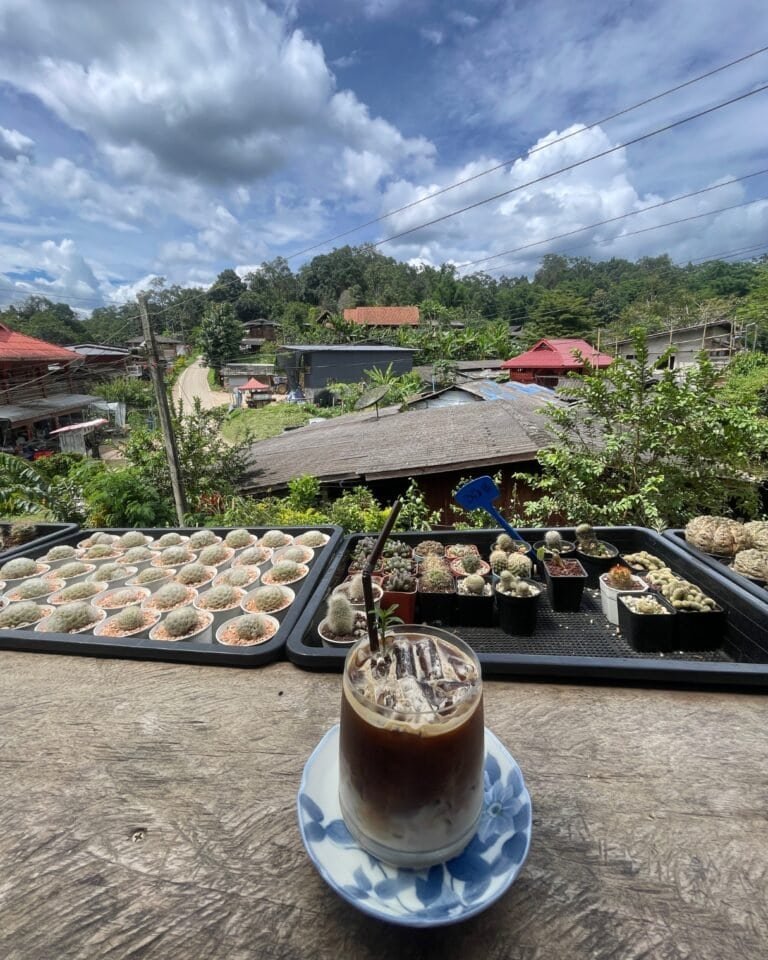
You have two options: vegetarian and meat buffet-style meals for breakfast and lunch. We also got some fruit, tea, and water. You could also buy coffee, smoothies, and small snacks at the two cafes in the retreat grounds. I was surprised by how delicious the food was, even if it mainly consisted of rice and curry. I was also surprised by how protein-dense vegetarian meals were, as they always included tofu and satan. As a vegetarian, I was very happy with the food we had and found it very delicious.
I packed some snacks, including nuts and bananas, and they did save me from becoming hangry, especially on the day of arrival. But overall, maybe due to a large amount of rice, a generous amount of food, and not moving too much, I did not feel too hungry overall.
Organization
Most of the thighs were very well organized and smooth, although you could notice some inexperienced volunteers that were not quite sure what to do, especially on the arrival. I feel that arrival could have been explained a bit better. It was pretty tricky to understand how to get to the location, and also, when we arrived, there were a few misunderstandings. I felt that no one was really in charge.
I liked that there was a WhatsApp group chat where we could ask questions, share pictures, and also arrange a pick-up/drop-off from the bus station.
I also found a lot of repetition and contradiction in the different monk teachings. A better-planned teaching structure could be needed to avoid repeating the same material or going off-topic. But overall, the monks were terrific, passionate, friendly, and approachable.
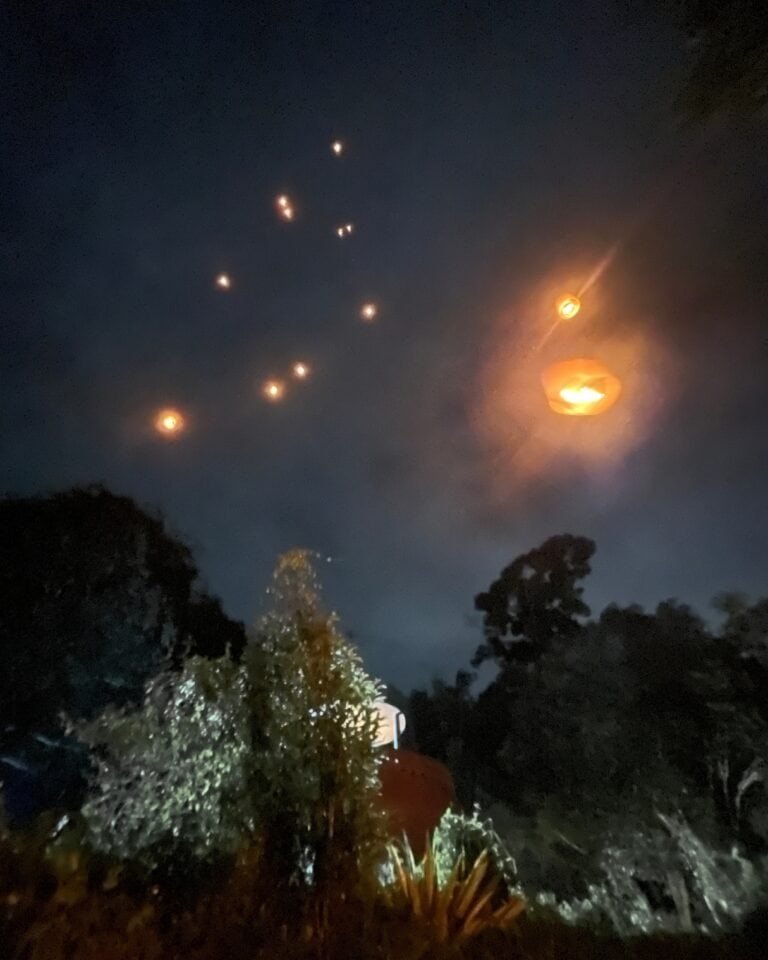
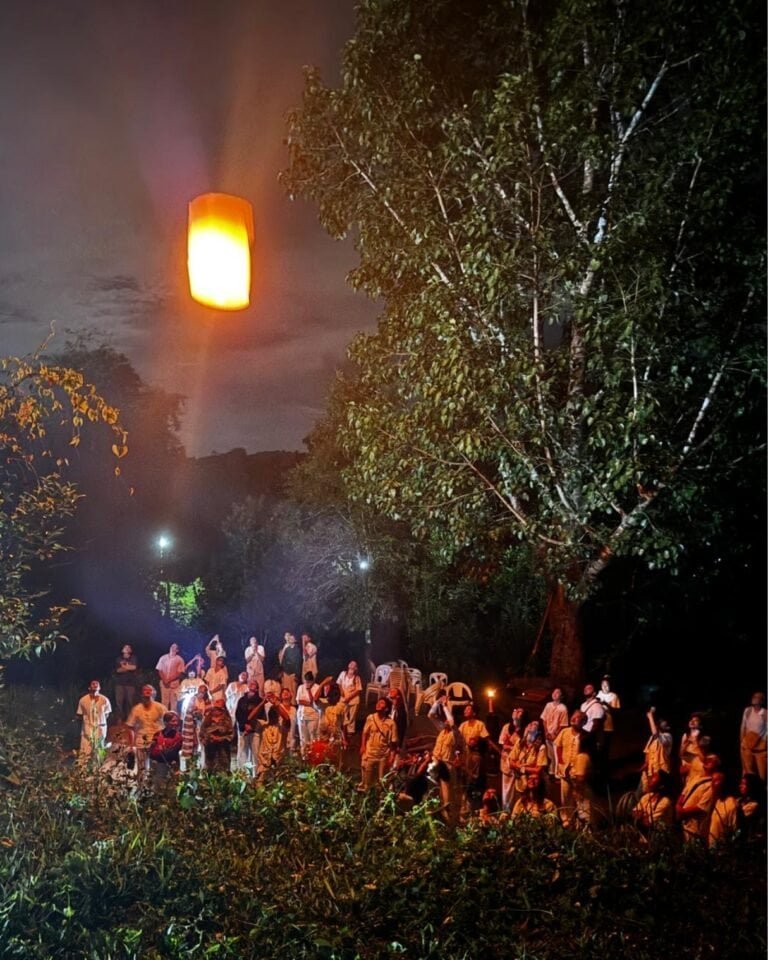
Other activities and extra food
In addition to meditation and lectures by moks, the retreat offered other activities for small fees, such as sauna, treks in the jungle, tea-making workshops, and massage. I found this very nice as it kept everyone entertained.
I loved the massage by a local lady; it was done on the floor but technically very good and only cost 200 baht ($6). It was well-needed after a few long days of sitting cross-legged and sleeping on a hard bed.
Who should go to the Pa Pae meditation retreat?
The retreat was more relaxed than others I have researched, and it is perfect for beginners or someone who occasionally meditates and wants to deepen their knowledge about meditation and Buddhism.
It is more of an introduction to meditation and Buddism, a taste of discipline, and a challenge to remove yourself from daily comforts like waking up early, sleeping on a hard bed, having only two daily meals, and sitting crosslegged or in a chair for long periods.
I recently attended a 10-day Vipassana retreat and shared my full experience here.
Is Pa Pae suitable for solo female travelers?
Absolutely. Although I travel with my partner, I wanted to go to the retreat by myself, and I am glad I did. I met many solo travelers there, and it is a great place to find a sense of community. What is also great is that male and female attendies stay in separate accommodations, so you feel very safe at night. I had my private accommodation, but there were also rooms with multiple beds.
If you are a solo traveler and feel a bit lonely, Papae Retreat is a perfect place to reset and connect with beautiful people.
Who should choose other options?
If you are experienced in meditating and looking for a challenging or silent retreat.
If you expect Vipassana meditation, this retreat focuses on ‘Middle Way’ meditation.
It may not be for you if you want to stay silent throughout the retreat. Although you can ask for a “silent” badge and wear it throughout the retreat, other people will be talking, so if you want to disconnect from people’s interactions, it might not be for you.
The retreat has many Western monks from the US, Australia, Germany, and Slovakia. Although you will have some lectures given by Thai monks, most of the learning will be from Western, newly converted monks who may not have all the answers about Buddhism or enlightment. So, if you want to learn from the locals and have an authentic experience, this might not be it.
When is the best time to stay in the Pa Pae meditation retreat?
This depends on a few things. I went there during the rainy season in September, and I feel it was a perfect time. It was not too crowded with tourists, nor was it too hot in the jungle. There is no air conditioning in the acomodation so, so if you are not very good with heat, maybe plan accordingly. The site is also very steep, so even a bit of walking makes you quite sweaty and exhausted.
Another thing to keep in mind is the burning season around this area. Every year is different, but I avoid the time from February to May.
Things I loved
The location is so beautiful that it is worth going to the retreat to spend time there.
I loved the meal times, as we would all sit together, share our experiences, and get to know each other better. The meditation sessions were serious, but the lectures were heartwarming, inspiring, and sometimes even funny. The head monk had a great sense of humour that made many people laugh.
I also love how this experience connected everyone involved and created a peaceful community. It was so interesting to see how people were experiencing things differently and how everyone learned to slow down and just be.
I came away with a much better understanding of Buddhism, and it was great to learn about it from monks.
Things that could be improved
I wish more time had been allocated to group meditation and some slightly longer sessions had been included. Most of the time meditation lasted 20 to 30 minutes, followed by a lot of talking by monks- their personal stories and teachings about Buddhism. I expected a more focus on meditation and maybe less on Buddhism, as most of the people who go to this kind of retreat come to learn how to meditate. I suppose I am familiar with meditation already, and this retreat focuses more on beginners; having said that, I have learned a lot and found it very beneficial.
What to bring to the retreat?
The staff of the retreat will send you the list of things you should bring for your stay. But if you can, I would suggest traveling light, as you will have to get there with a minibus and will be picked up with a truck from the bus station. You will also be provided with clothing to wear, food, and water. So this is the list of things you should have:
- A strong mosquito spray – some meditations are held at sunset when mosquitoes are coming out like crazy, so you will need the spray for sure.
- Towel, shower gel, shampoo, deodorant– You will be sweating a lot, so you will need to keep yourself clean.
- Sandals or slippers – you will be meditating barefoot, so bring shoes that are easy to remove.
- Extra snacks – you will only be getting 2 meals a day, and the last meal is at 11 am. It is not too bad, but I did bring a sandwich for the first night, as you do not get fed on the arrival day. I also had some nuts and bananas, but they do have little cafes where you can buy smoothies and coffee.
- Cash – if you want to buy snacks or drinks in coffee shops, and also to pay for the retreat.
- Sports gear – if you like to run, but you will have to do it outside the retreat, you are allowed to do yoga in one area slightly further away.
- It is also important to list what not to bring
- Don’t bring alcohol or weed, I don’t think you are even allowed to smoke cigarettes in the retreat ( but I am not 100% sure, as I am not a smoker).
- Don’t bring makeup – you will not need it, use this time to get inwards rather than focusing on looks.
- Don’t bring sexy lingerie or skin-tight clothes, as you will be given a white, skin-covering uniform.
If you would like to know what I have learned in the Pa Pae mediation retreat, read Wisdom You Can Learn From Buddhist Monks.
Silent Retreats: What to Expect and Why They’re Worth It
I have also created meditation music playlists and the best guided meditation channels on YouTube if you like to meditate at home.
To summarise, is Pa Pae Meditation Retreat Worth It?
Absolutely! I have enjoyed staying at the Pa Pae meditation retreat much more than I thought I would. I was so surprised that I loved not talking, sleeping on a hard bed, and eating two meals a day. I met amazing people, and it was very nice to connect with like-minded individuals.
If you are in the Chang Mai or Pai area in Thailand, I recommend going to the Pa Pae retreat to switch off and reconnect with nature and yourself.
If, after reading this article, you would like to experience it yourself, here is the website.

Silvija Meilunaite, PN1-NC, CSMC, is a certified nutrition coach and menopause coaching specialist. Combining current scientific research with her own experience of perimenopause, she writes evidence-based articles, practical guides, and in-depth product reviews to help women over 40 make informed decisions about nutrition, strength training, recovery, supplements, non-toxic living, and wellness products.