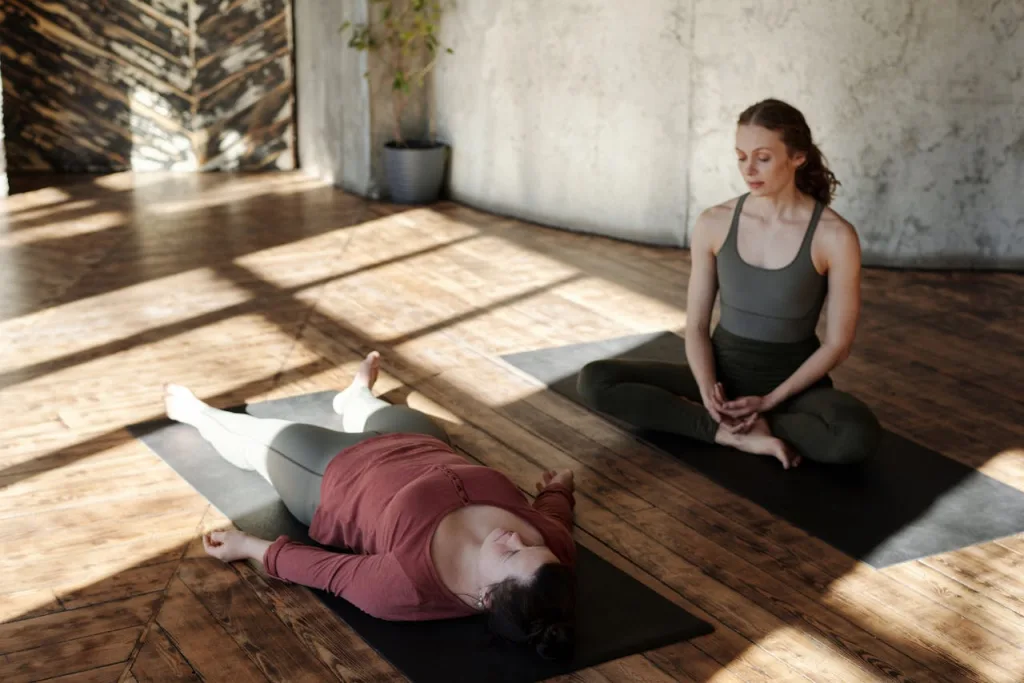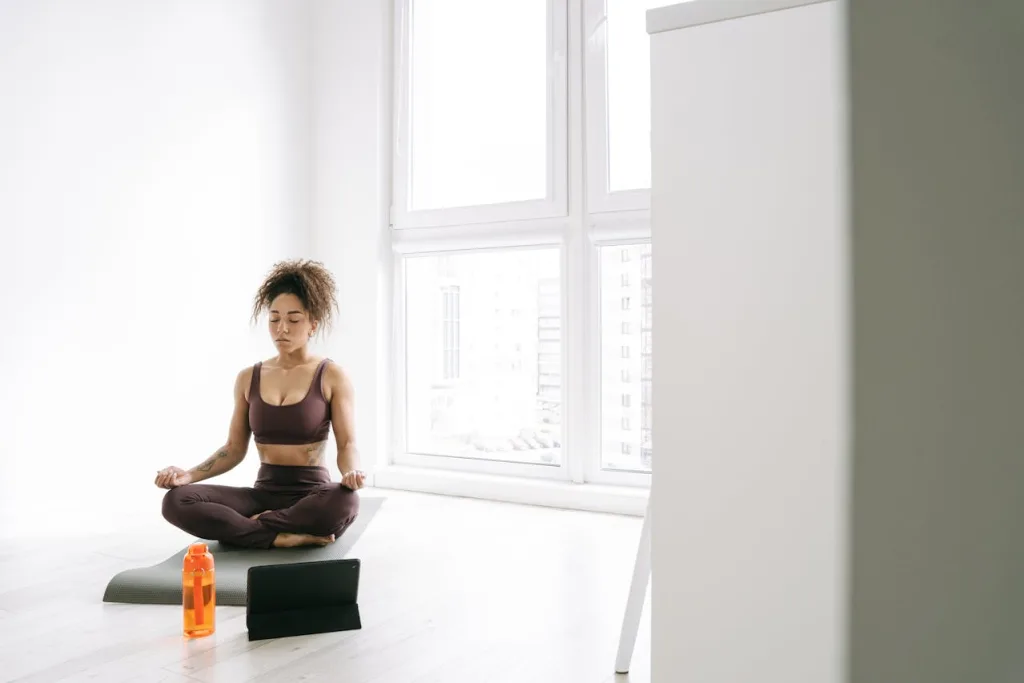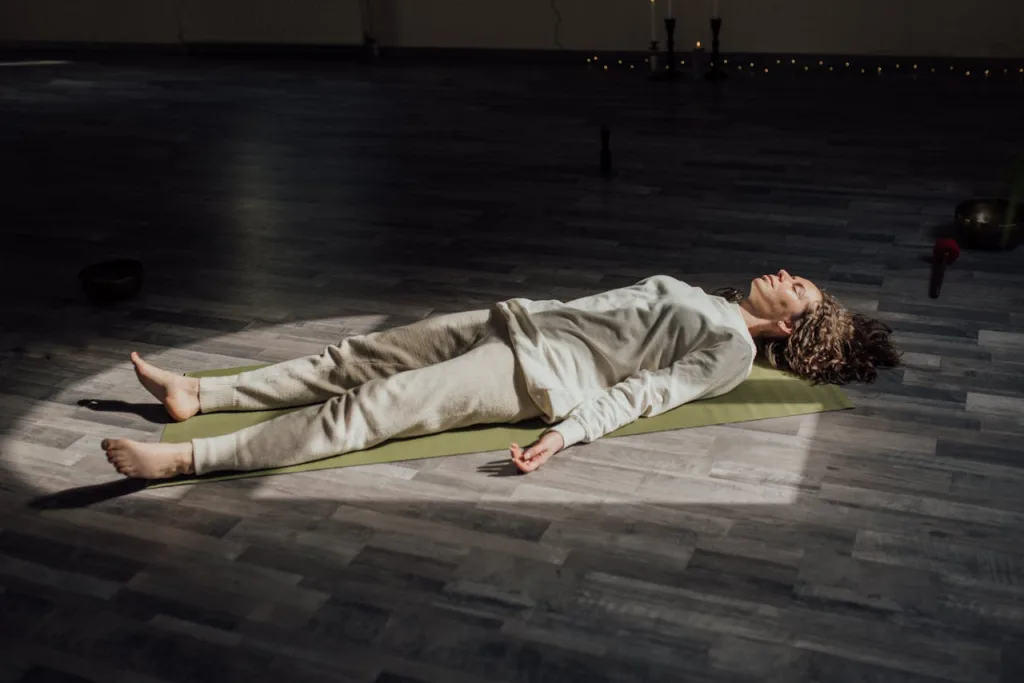
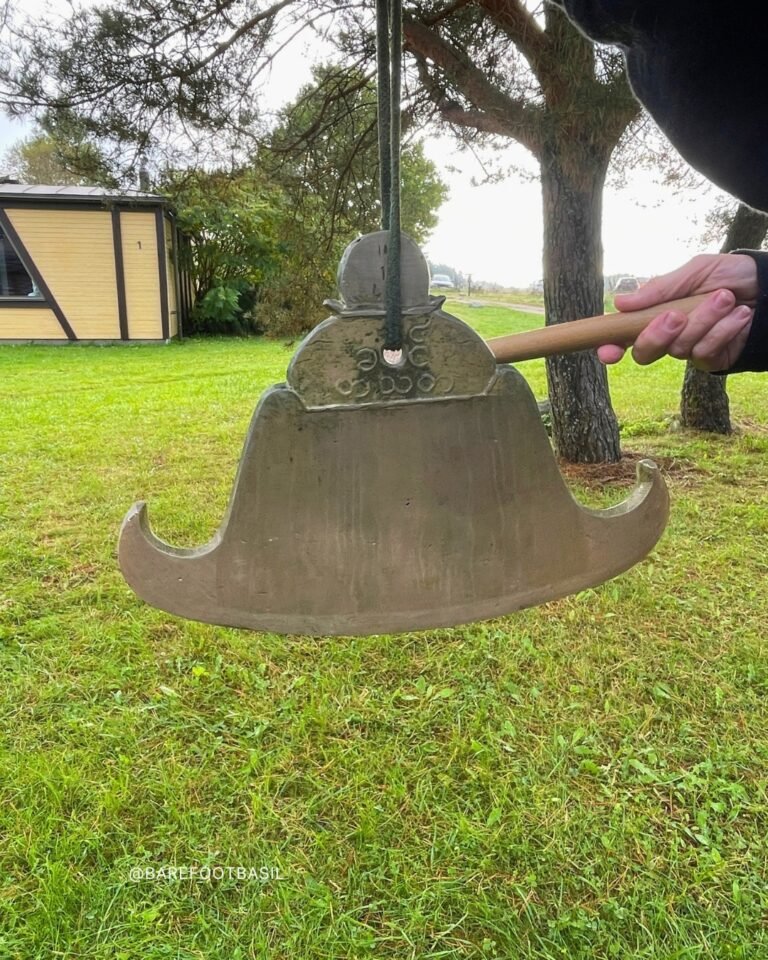
At 4 am on my first morning, a bell woke us for the first meditation. For the next 10 days, there would be no phone, reading, writing, exercise, or conversation. I had wanted to attend a Vipassana course for years, but after cancelling twice, I still wasn’t sure whether my distracted mind or painful back would cope. I completed it and want to share my experience: the good, the bad, and the benefits.
In short: was it worth it?
For me, yes. The 10-day Vipassana course was one of the most physically and mentally demanding experiences I had, but also one of the most rewarding. Meditating for around 11 hours a day, not talking, and not having my phone, reading, writing, or exercising was not easy. I struggled with constant thoughts, sleepiness and intense physical discomfort.
However, I returned feeling calmer, more patient and optimistic. My mind felt clearer, my body felt lighter, and I worried less about things that did not matter. I also formed unexpected friendships with the people who shared the experience with me.
The changes have been subtle rather than miraculous, and maintaining the practice at home is still a work in progress. Even so, I would attend another course. It is not a relaxing wellness retreat, and it’s hard, but for me, it was absolutely worth it.
What is a 10-day Vipassana course?
Vipassana means ‘to see things as they really are ‘ and is one of the most ancient meditation techniques. It has been taught for over 2500 years and focuses on the interconnection between the body and the mind. In the 10-day course, you learn to quiet your mind and sharpen it so you can focus on bodily sensations throughout your body. The late Mr S.N. Goenka taught the teachings in this tradition. He is the person you hear and see in guided meditations and discourses.
For the first three days, you focus only on the area around your nose and breath flow. This practise is called Anapana. This comes to your brain and increases focus. On day four, you are introduced to Vipassana meditation, observing sensations throughout the body and developing equanimity and learning not to react to the sensations, no matter if they are pleasant or unpleasant. You learn just to observe. On the last day, you are introduced to Metta meditation, or loving-kindness meditation.
Vipassana courses are held worldwide, and you can book them through their website.
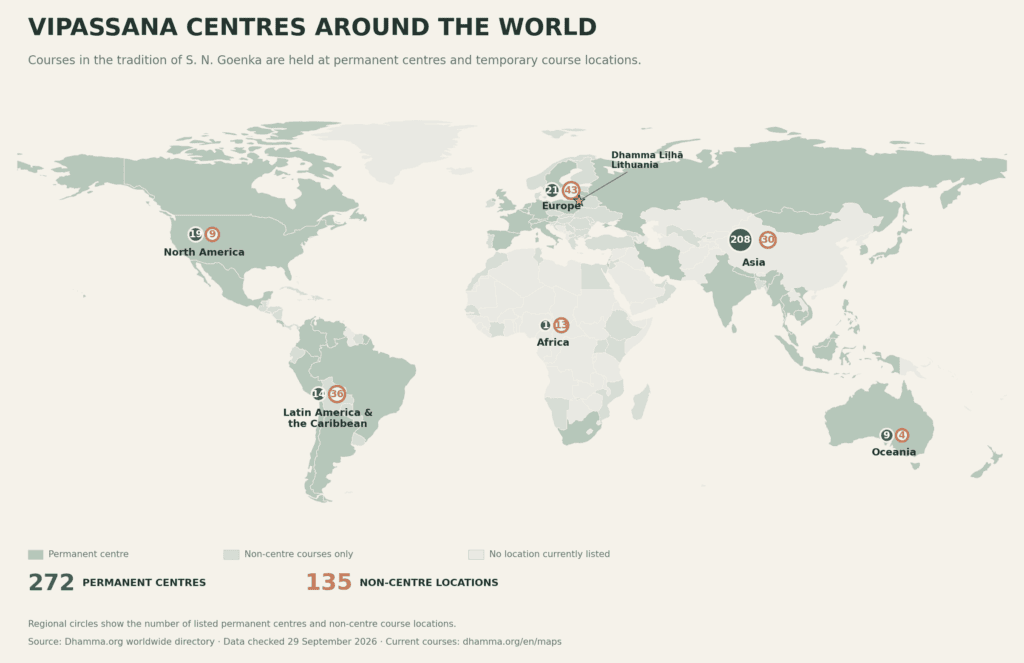
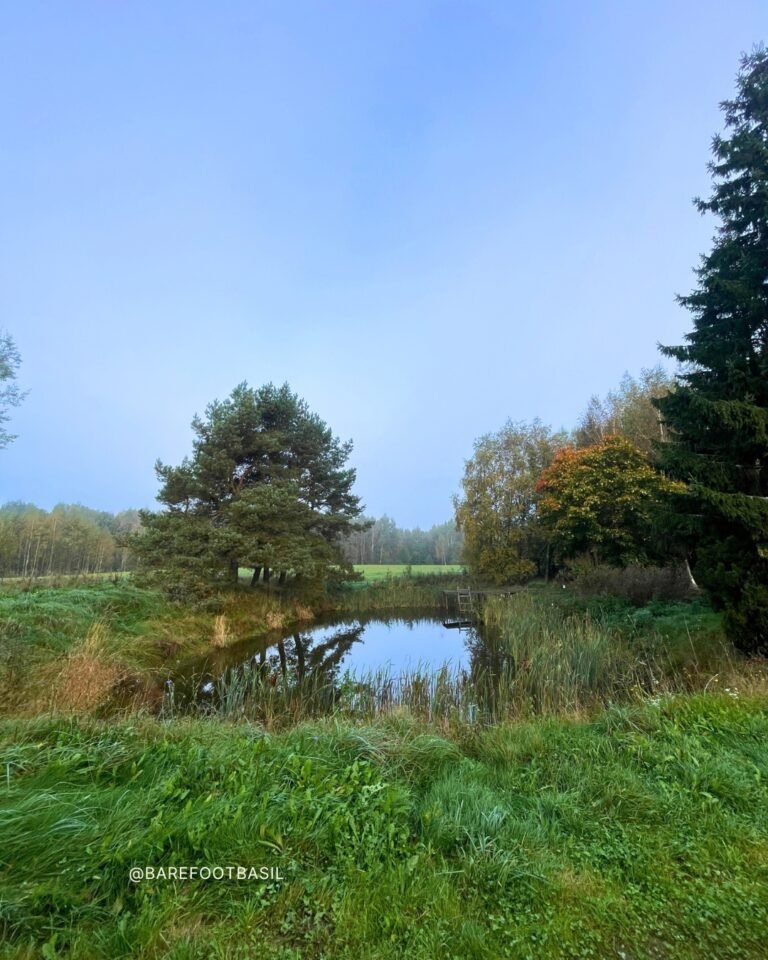
Note: Because we weren’t allowed to use technology, I only took videos and photos before and after the course and couldn’t photograph the food or our meditation hall in use.
The rules and Noble Silence
The 10-day course is hard, serious work; you meditate about 11 hours and are not allowed to speak or contact other meditators, use technology, read, or write.
There is a code of conduct for the period of the course,
- to abstain from killing ( you are only served vegetarian food)
- stealing,
- sexual activity (men and women meditate together; however, live and eat in separate areas )
- lying ( you are not allowed to talk or communicate with other people)
- and intoxicants ( you are not allowed to drink, smoke, or use drugs during the course)
The rule of noble silence meant not only not talking but also not communicating in any other way with other meditators. This included eye contact, smiles, pointing or any bodily contact. You could still talk to the course managers if there were issues, and you had two times a day to ask the teacher any questions you had about the practice.
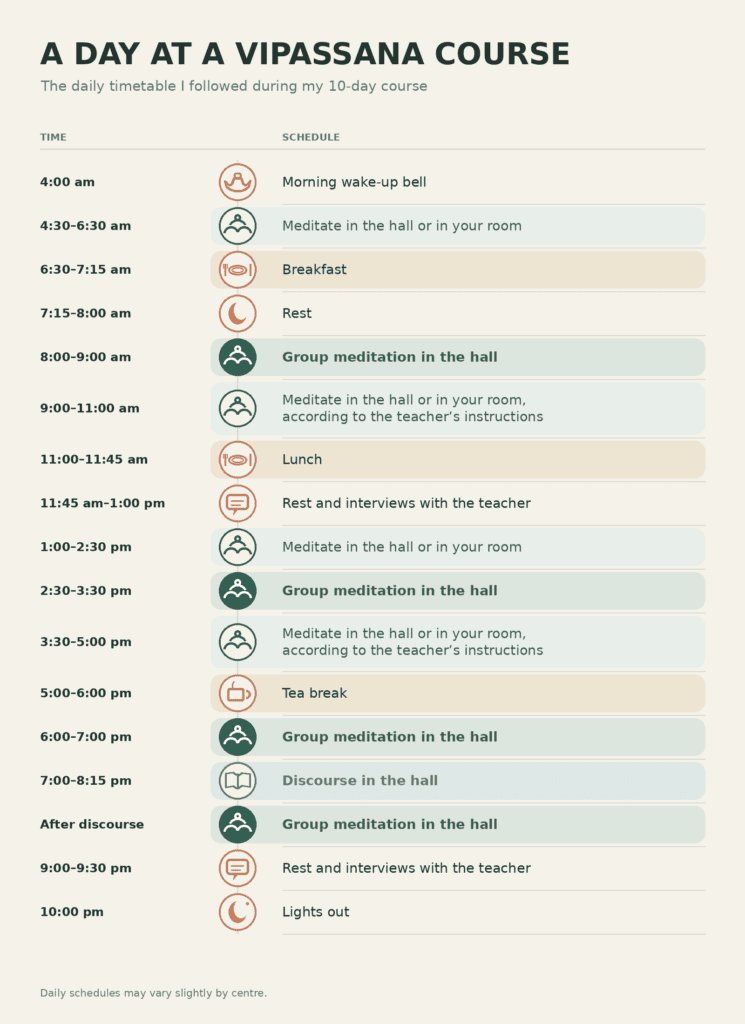
A typical daily schedule
Each of the 10 days starts at 4 am and ends at 9 pm.
You meditate about 11 hours, and you have a one-hour presentation at the end of the day. To break it up, you have breakfast, lunch, and tea breaks. You also take 5-minute breaks between meditation sessions.
Each day, except the 10th, when the schedule changes slightly to adjust for the ‘real world ’, is the same.
Why I decided to go
- It was always something I wanted to do and slowly built up to
- I feel it is good to take yourself out of the comfort zone and see how much you are capable of
- I struggle to focus and feel very flustered lately, and feel like my brain needs a reset
- I feel a bit lost and lack a sense of direction, and feel like I need some extra time with myself to figure things out
- I want to be a better person; with perimenopause and hormones fluctuating, I feel like I am not the nicest person to be around sometimes
- I was working on myself and feel like I have some trapped anger that needs to be released
- My body aches; now it can go both ways, or I can feel better after, or actually break my body even more. I hope it’s not the latter one.
- I need some time away from technology, as I spend too much time on screens, and lately I’ve noticed I scroll and struggle to focus on tasks for long.
I have done a few 3-day retreats before, including a meditation retreat in Thailand and a silent retreat in Lithuania. I felt that I could do more, but 10 days away from everything is a lot. In general, I have so many worries in my life lately that I know I really need it.
Lately, I have been so distracted and struggling to focus that I feel this will do me so good. I am not expecting miracles, but a clearer mind and focus is all I want right now so I can think more clearly.
How I prepared for Vipassana
My biggest preparation was mental. I had to promise myself that, no matter what, I was going this time and would not leave, no matter how hard it is. I also did not consume any alcohol a few weeks before the course to make sure my head was clear. The rest of the preparation was gathering everything I needed to pack, like hygiene supplies, a meditation cushion, and washing all the clothes I needed. One key thing is to inform your loved ones and leave a note at work so people know you will not be reachable for 10 days.
What to bring to a Vipassana course
Before you go, you receive a list of must-take items like bedding, towels, and hygiene essentials, but I want to flag a few items that really helped me and things that I wish I had.
- Your own meditation pillow. You meditate over 11 hours a day, and your meditation has to be as comfortable as possible. Many meditation cushions are provided, but it is also good to have an extra cushion for extra support. I had mine and was very happy I packed it.
- Earplugs and an eye mask. You live with other people in your house. In my case, there were two rooms and four of us sharing a toilet and bathroom. Even if no one snores, someone might be showering while you are sleeping or napping, so earplugs can be very helpful. I used my eye mask more than I thought I would, since I loved taking quick naps after breakfast and lunch. When you put your eye mask on, you can fall asleep way faster.
- Water bottle. If I hadn’t had the water bottle, I feel staying hydrated would have been much more challenging. You are not allowed to take glasses or cups from the kitchen to your house, and the kitchen was locked at times. The tap water was drinkable, and there was an outdoor tap, so a reusable water bottle was essential.
- A thermos mug. This depends on your location and the time of year, but I wish I’d had one with me, as I attended the centre in Lithuania in mid-September and they provided pots of freshly brewed herbal tea. I had to use the same bottle for water and tea, but a small mug would have been much more comfortable.
- Meditation Blanket. Although, as with meditation cushions, blankets are provided, it is nice to have your own comfortable blanket to wrap yourself with for every meditation. I found it comforting to have a little piece of my home for each meditation.
My experience, day by day
As the days passed, some things became easier and some harder.
Day 0 – we arrived a day before the meditation course started. We were allowed to check in between 2 and 5 pm, and after that we had introductions, got to know each other and had a light dinner.
Days 1 to 3 were introductory, and we were told to focus on the breath and on the area around and inside the nose. On the third day, our focus had to shrink to a small area underneath the nose and above the lip. At the beginning, I really struggled to quiet my mind; I had so many different dialogues about the future and the past that it was overwhelming, but slowly the chatter in my head started to quiet down.
With all the chatter, finding a comfortable position was difficult, and on day 3 my back pain became unbearable; I really thought I would not be able to make it through the course.
Many people complained about the pain, but we all were told to try to stay with the pain, and it will pass. Anicha, anicha, anicha – we heard Gonka repeating in meditation recordings.
Day 4 was when we started practising Vipassana. After focusing on sensations below the nose, we were all instructed to transfer our attention to the top of the head, and after we felt a strong sensation there, start scanning our bodies from the top of the head to the bottom of our toes.
This day was when I had the most powerful experience and understood why the teacher and Goenka told us to stay with the pain. At some point, my body was in so much pain that I thought I would die; the tears started running uncontrollably, and I was so shaken that, as soon as the meditation finished, I had to run to my room and stay with the pain. Ironically, the bodily pain gave way to a calmer mind. I felt like a massive rock fell on my shoulders.
In later meditations that day, we were told that starting tomorrow we would be asked not to make even a slight move, or we would not be allowed to leave the meditation hall during 3-hour meditations.
On Day 5, I noticed everyone became much calmer and more focused. We were all very still, even in the hours when we did not have to stay still. The pain became way more bearable, and I understood that this is part of the process. The pain in our bodies is ‘sankaras’, held pain and stress in our bodies that, if we let them and just observe, they get out of our bodies. On the remaining days, I had these strong experiences each day, with pain becoming lighter and lighter.
Day 6 was the day I got rid of a lot of anger; it felt like every single bit of my body felt so angry, but as the day passed and I went into more and more meditations, it slowly passed away. By the end of the day, I felt so optimistic and loving like I never had before. I now understand that this was a part of the process.
Days 7 to 9 were quite similar. There wasn’t much pain left to clear, and I could go deeper and deeper into the meditation; I felt calmer and calmer in my head and started really enjoying the routine. The only problem was that, as sensations became more prevalent, I struggled to stay awake.
On Day 10, we were allowed to talk to each other. I was hesitant at first; after so many days of silence, hearing people talk felt strange. In the end, the day brought so much joy and happiness. It was amazing to share individual experiences. After so many intense days, it feels like we all know each other so well. We cried, we laughed and talked so much!
Day 11 – After morning meditation and breakfast, we all started cleaning the premises, heard from the team, said our goodbyes and left. It was bittersweet, but I was happy to head home to see and speak with my loved ones.
I want to point out that everyone experiences things differently and at different times. When you go to a Vipassana course, you should go with no expectations, because the less you expect, the more you gain from the experience. I also did not want to go into too much detail about the actual experience, so I don’t set any expectations.
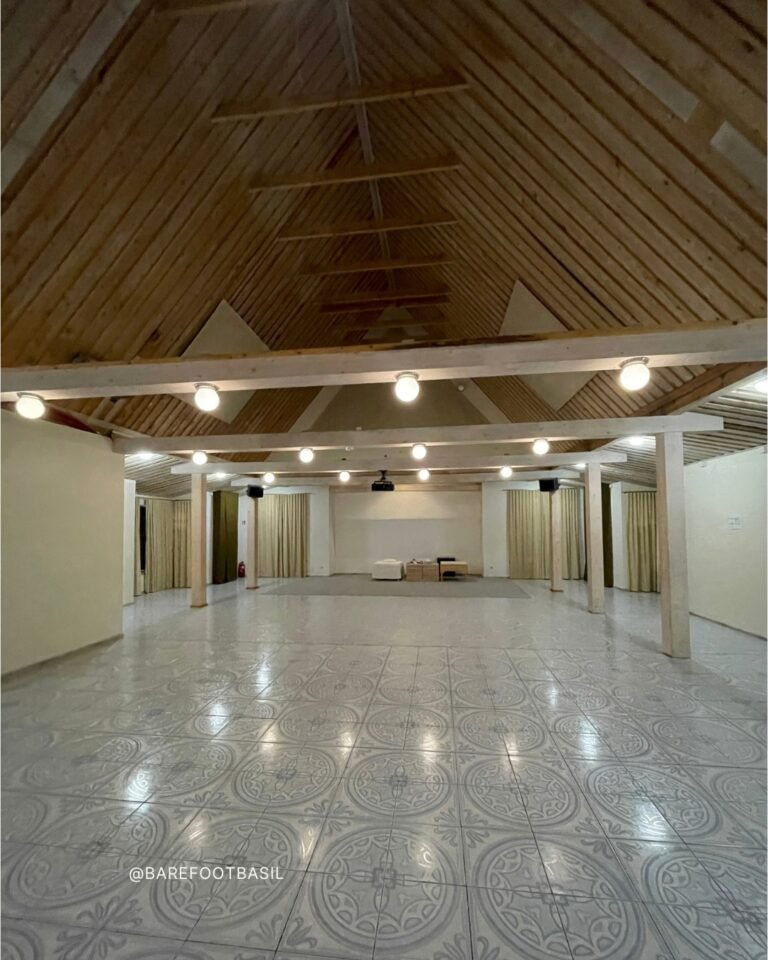
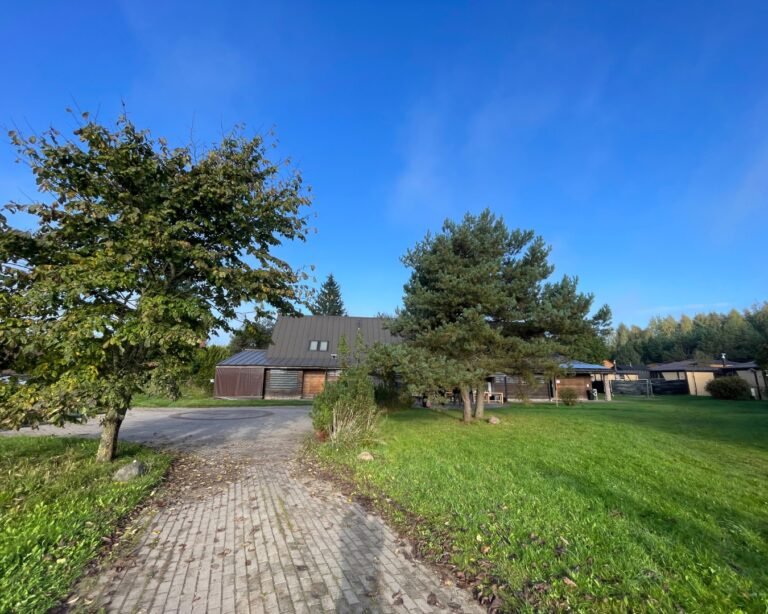
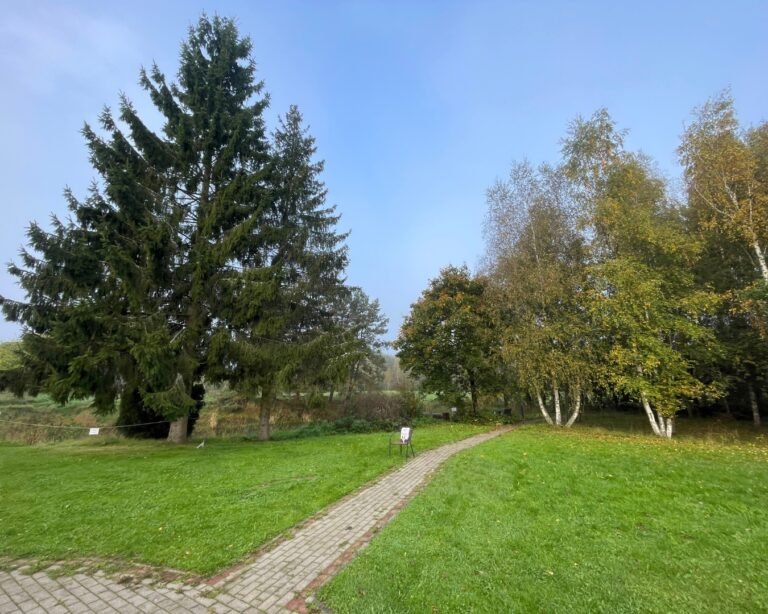
Food and accommodation
Many people feel they can’t cope with only two meals a day and an evening snack, but for me, food was one of the best parts of this course.
You are only served vegetarian food, and it is very nutritious and tasty. There was more than enough of it, and you could eat as much as you want during breakfast and lunch. You also had many different teas, and they even had instant coffee for those harder-to-wake-up mornings.
Breakfast included porridge with peanut butter, butter, seeds, jams, and crackers with toast. You could also choose cereal with yoghurt or milk.
Lunch was the main course and came with soup, a main dish (some legumes, rice, or another grain), vegetable, soy, or tofu stews, and salad. We also had jacket potatoes or vegetarian chilli. The main was always accompanied by some sort of dessert – apple pie, energy ball, chocolate or other sweet treat.
Our last meal was fruit (banana, orange, apple, or pear) with a serving of herbal tea. At first it was a bit difficult, but after maybe two days, I got used to it and actually loved going to bed on an empty stomach. I need to figure out how to start eating way lighter dinners at home.
All the food was tasty and easy to digest, so it wasn’t difficult to meditate. On the last day, we had a chance to talk to people who volunteered to cook for us, and they confirmed that the recipes are very detailed and that even people who don’t like or know how to cook would find it easy. Of course, there will be slight differences in the food, depending on which country you take your Vipassana course.
Many people also say they lose a bit of weight during the Vipassana 10-day course. I was eating a lot, but still managed to lose 2 kg.
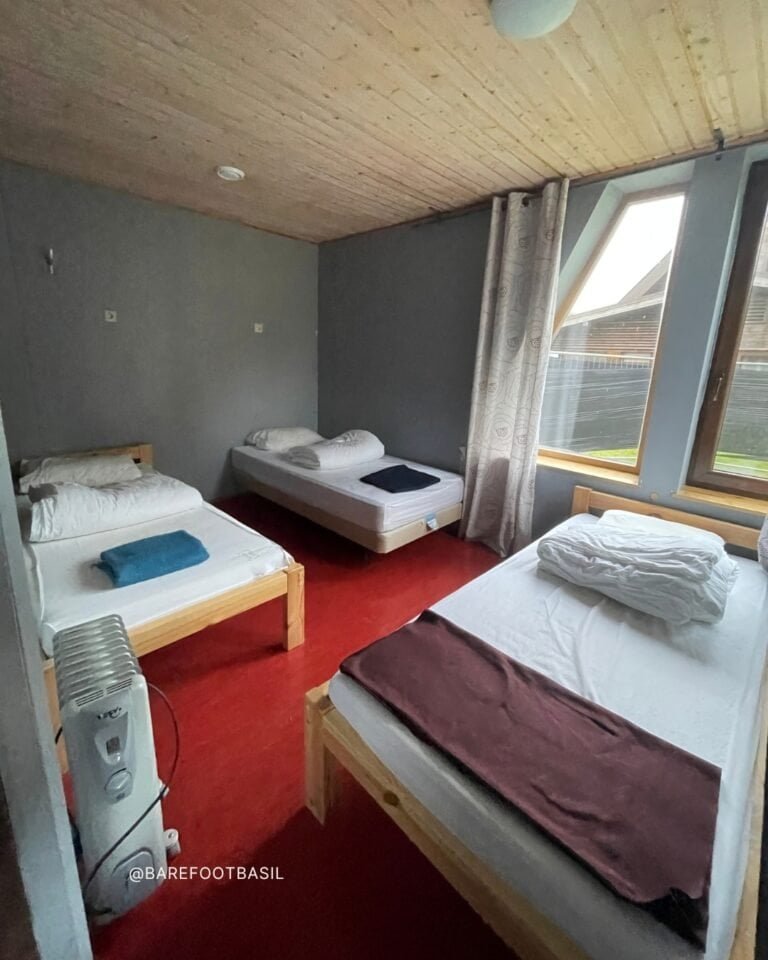
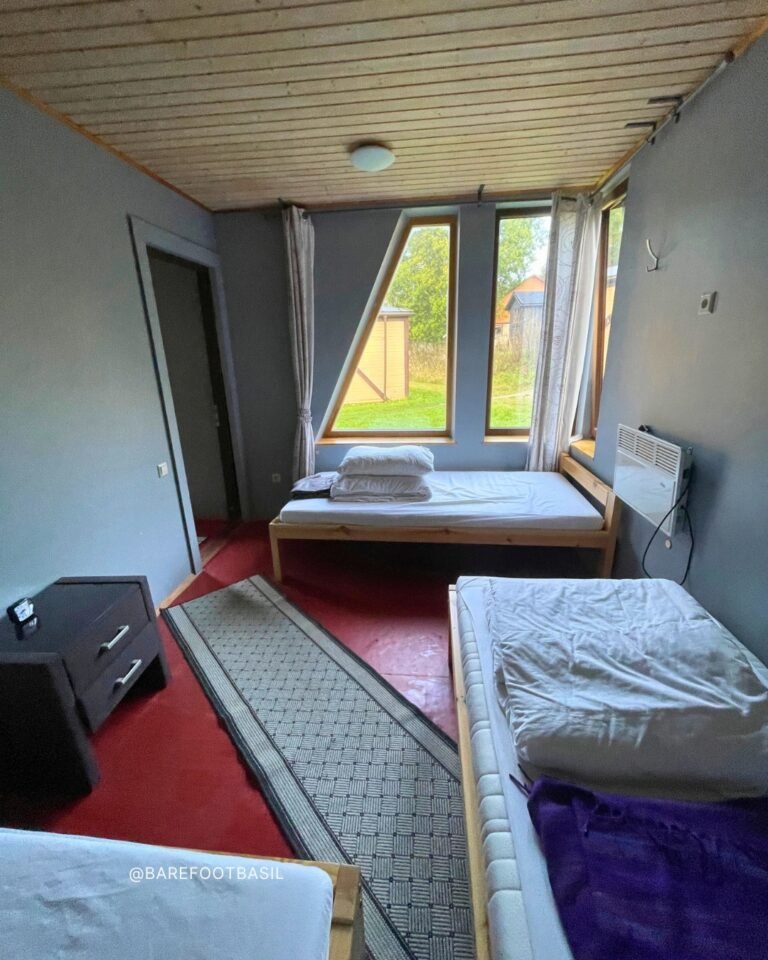
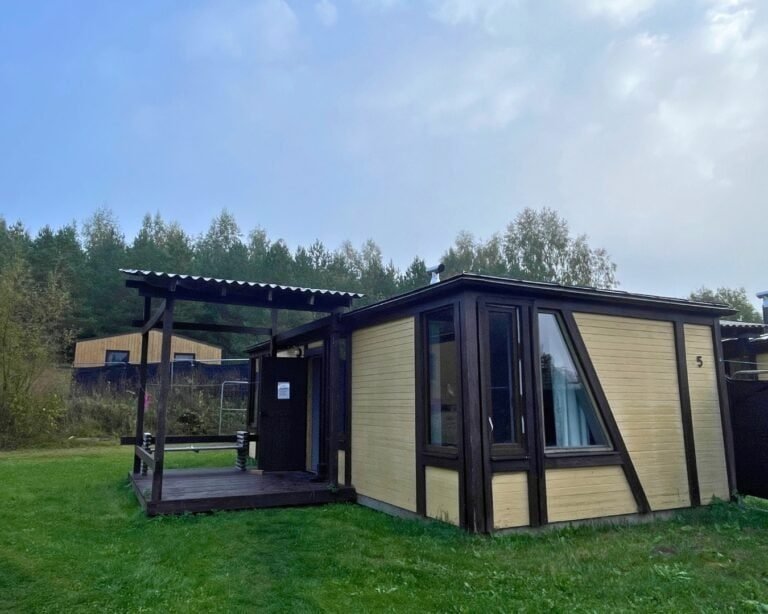
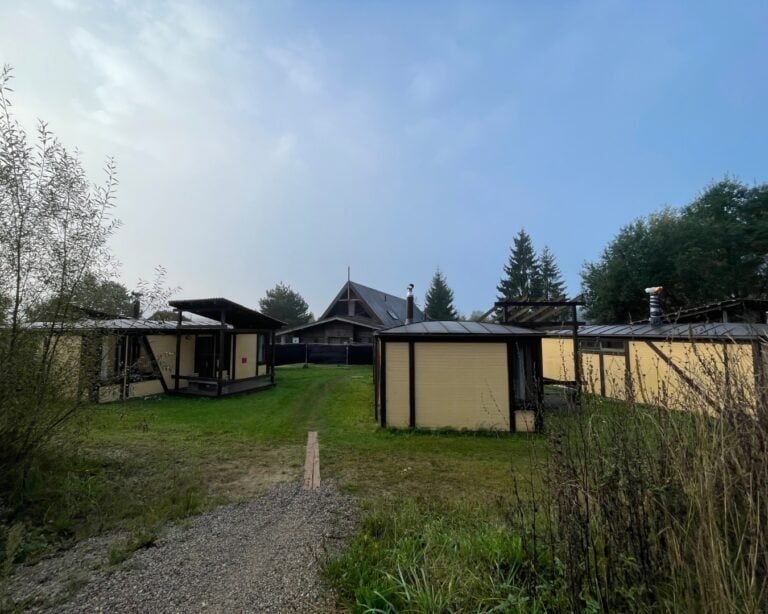
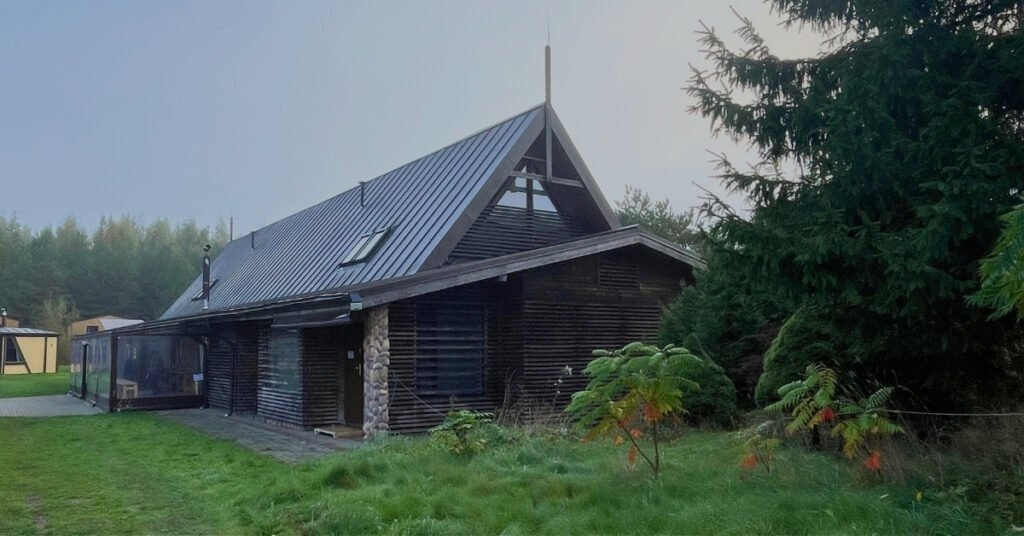
The accommodation is very basic, but you have everything you need. The beds were very comfy, and I got the best sleep I’ve ever had. Each centre is probably different, but ours had small houses that fit 6 beds in two rooms. We were lucky as there were only 4 of us, 2 in each room. We all shared a toilet and a shower, but another section of the centre had 3 extra toilets and two showers. I always tried to use the toilet outside our house if someone was resting or meditating, so I wouldn’t disturb them. Although the weather got quite cold, I never felt uncomfortable in the accommodation and did not need to turn on the heater.
The unexpected friendships
I went to a Vipassana course to reset, heal, and learn some structure, and I got all of that, but I didn’t expect to meet so many beautiful people and form friendships; I have a feeling for life. Crazy things happen: when you sit in silence with a stranger for 10 days, you start to know each other so much. You know when a person is going through something when they sleep longer or more deeply. You understand other people’s mood from their steps.
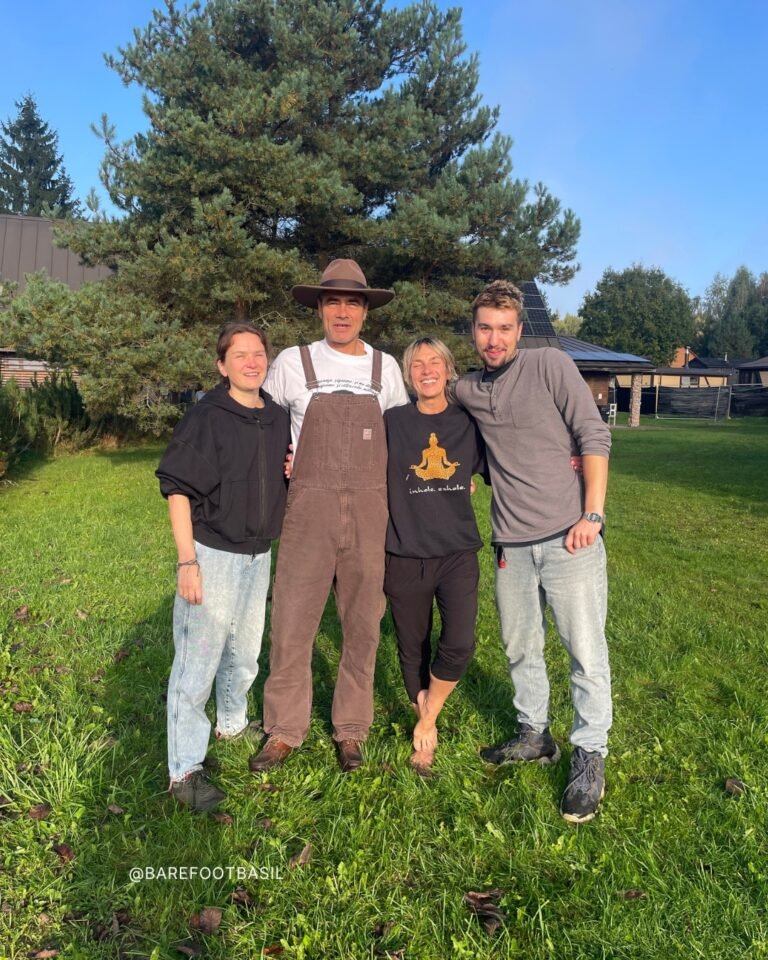
We were allowed to communicate on the first and last days of our stays. I was scared to start talking at the end of the course, but when we all opened our mouths, we could not stop. We shared a very hard but deeply beneficial experience. We gave each other hugs; I will never forget them. We cried tears of joy and laughed so much. I went to Vipassana for a personal journey, but I left with a sense of friendship and community that is such an amazing part of this experience.
The most valuable lessons I learned during Vipassana
The biggest lesson I took from Vipassana is that everything changes. The seasons change, rivers keep flowing, and our bodies change from the moment we are born. Yet we spend so much energy trying to hold on to pleasant experiences or push away uncomfortable ones. During meditation, I practised observing sensations without reacting. Pain is a sensation, tingling is a sensation, and they both pass. I started seeing how this applies to life: a difficult period does not define your whole future, and feeling happy does not mean life will always be easy. For me, learning to detach means caring without trying to control everything.
Another powerful lesson was how connected my mind and body felt. As some of the emotional weight I had been carrying eased, my body felt lighter and in less pain, despite the hours spent sitting. This made me pay more attention to how I carry stress.
I also realised that my struggles are not unique. Social media can make it look as though everyone else is happy and achieving, but we rarely see the full picture. Remembering that other people have their own pain made me feel less alone and more compassionate. There was also something comforting about seeing myself as a small part of nature and the universe, with a body made of countless tiny parts and so much happening within it beyond my awareness. My worries still matter, but they do not have to fill my entire world.
Another thing that surprised me was how long a day can feel when you are not constantly distracted. Without my phone, chores and a list of tasks to rush through made each day feel so much longer.
It made me realise how much of my everyday attention gets scattered between scrolling, switching tasks and getting lost in my thoughts. Seeing how much I experienced and learned in those ten days made me wonder what I could do at home with a little more focus. I want to carry that lesson into daily life: be more mindful of distractions, give things my full attention and make more space to actually experience the time I have.
Finally, I noticed how my state of mind affects the way I respond to people and situations. Letting go of some anger and worry helped me look into my life with more patience. I still want to work hard and live with purpose, but with less resistance to the things I cannot control.
What changed after I returned
Before I went to Vipassana, I felt burned out and very short-tempered; a lot of things irritated me. I can definitely feel that I have more patience and, in general, feel more optimistic and just a nicer person to be around. I do worry less about things that don’t matter and feel more focused. Not going to lie, my focus isn’t quite where I want it to be, but I feel like this is a work in progress.
My body was in a lot of pain before I went to Vipassana, and it definitely feels much lighter and more nimble. It does feel like I’ve lost some of the pressure in my shoulders.
We were recommended to meditate 2 hours a day to get the best results. I am trying to keep this, but not going to lie, I do not find it easy. I plan to maintain at least one-hour sessions a day and attend the Vipassana meditation group in my city for more motivation.
Overall, I do feel subtle changes in my mood, focus, and outlook on life, and I do want to do more good for others and be a kinder person.
Who a 10-day Vipassana course may or may not suit
You do not need to be an experienced meditator to attend a 10-day Vipassana course. However, it may suit you best if you are genuinely curious about meditation, willing to follow a strict routine and prepared to spend a considerable amount of time alone with your thoughts. It can be particularly valuable if you want to develop greater focus, patience and awareness, or step away from technology and other distractions of everyday life.
This is not a relaxing wellness retreat. The early mornings, Noble Silence and long meditation sessions can be physically and mentally demanding. Although chairs, stools and additional cushions may be available, arrangements differ between centres, so contact your local centre beforehand if you have pain, mobility difficulties or other physical needs.
The course may not suit everyone. If you are experiencing serious mental-health difficulties, a recent crisis or trauma, severe sleep problems, an eating disorder, or a medical condition that requires regular management, be completely honest on your application. Contact the centre to discuss your circumstances and consider speaking with an appropriate healthcare professional before attending.
I found the course very beneficial, but that does not mean everyone will have the same experience. Go because you feel ready for the commitment, not because you expect the course to cure you or produce an instant transformation.
Cost, donations and how to find a course
The Vipassana course is donation-based. When you book in, you do not need to pay for accommodation or food. As a first-time student, you may donate only after you finish the course. What is even more interesting is that the whole team, from gardeners to teachers, managers to kitchen staff, are all volunteering and are not paid. This is such a unique way of running things, but everything seems to work great. You leave the course filled with gratitude, and of course you want to donate, as someone’s donation secured your place in the course.
How to sign up? Simply go to the Vipassana website, find your local centre and apply for the next course. New students can only start with a 10-day course, while returning students can do shorter courses and volunteer.
Found this review helpful?
Get more honest recommendations in your inbox.
Thank you!
You have successfully joined our subscriber list.
FAQ about Vipassana
Is a 10-day Vipassana course really free?
Yes, it is, but you are encouraged to donate at the end. I think everyone who stays 10 days in Vipassana should give at least a little at the end to help more people experience it.
Do you need meditation experience?
You don’t, but I do feel that a bit of knowledge helps so you know what to expect.
Can you speak or use your phone?
No, you can’t. You hand your phone to the team as soon as you arrive. You are not allowed to talk to other people in the course. You may ask questions only at designated times and speak with managers in an emergency.
How many hours a day do you meditate?
Around 11 hours. You do have 5-minute breaks in between hour or hour-and-a-half sessions.
What if you cannot sit cross-legged or on the floor?
You will be provided a chair and can meditate sitting on a chair.
What food is served?
Vegetarian food is served with no meat or fish. There is some dairy, but no eggs.
Can you leave the course early?
You are asked multiple times if you are dedicated and will stay through the course. I highly recommend staying through it, as certain processes happen, and you want to make sure you stay until the end. In our course, only one woman left because of severe stomach aches.
Is Vipassana religious?
Although Goenka often says Vipassana is not religious and not a sect, the technique is based on the Buddha’s teachings, and I recognised some things from Buddhism.
Is the course exactly ten days?
Not really. It is 10 days of full meditation and two days for arrival and departure. So, in total, it is 12 days.
My honest verdict
It was absolutely worth it, and I will do it again next year! Vipassana taught me discipline, resilience, kindness and happiness. Even when it was extremely hard, everyone left with huge smiles on their faces and learned something. It is an ancient technique that has helped people for centuries and is so valuable now, and I believe it will be valuable in the future.
If you are in the office, use this as a sign to go for it; you don’t have anything to lose but a lot to gain. 10 days of your life is not a high price to pay for wisdom and clarity. And yes, some things feel slightly outdated, but I’ve realised nothing in life is 100% how you like it or want it. I am recommending it to all my friends and readers to try at least once in your life.
Health Disclaimer: This post is for informational purposes only and is not medical advice. Always consult a qualified healthcare professional before making changes to your supplements, medications, or treatment plan, particularly during perimenopause or if you have an existing health condition.

Silvija Meilunaite, PN1-NC, CSMC, is a certified nutrition coach and menopause coaching specialist. Combining current scientific research with her own experience of perimenopause, she writes evidence-based articles, practical guides, and in-depth product reviews to help women over 40 make informed decisions about nutrition, strength training, recovery, supplements, non-toxic living, and wellness products.