
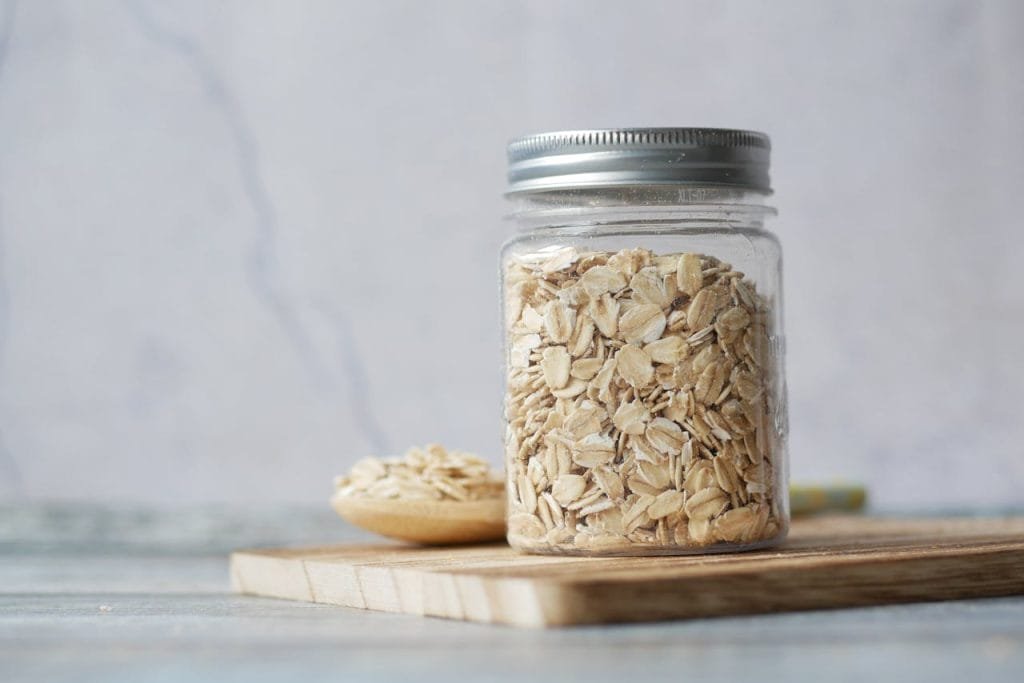
Everyone has been talking about Oats lately, but the message is so confusing. Some “experts” say oats are a superfood and can help you lose weight (we have all heard of Oatzempics). Some call oats a peasant food that causes massive sugar spikes and claim that it should be avoided.
So which is it?
As a certified nutrition coach who focuses specifically on women over 40, I wanted to cut through the noise. Because here’s the thing, the answer isn’t the same for everyone. The type of oats you choose, how you prepare them, and what you eat them with all matter. And if you’re in perimenopause or approaching it, there are some specific reasons why oats deserve a closer look.
I’m going to break down five different types of oats, compare their nutrition and glycemic index, and look at what the science actually says, so you can pick the right oats for your body, your goals, and your morning.
Are Oats healthy?
Oats are a rich source and contain both kinds of fibre – soluble and insoluble fibre. Oats stand out for large quantities of Beta-Glucan- a type of soluble fibre that becomes gel-like in the digestive tract and is known for multiple health benefits like cholesterol reduction, blood sugar control, improving heart health, and immune system support. (1)
Oats also contain insoluble fibre that improves digestive health by promoting regular bowel movement and bulking up the stool. (2)
What kind of Oats are the best?
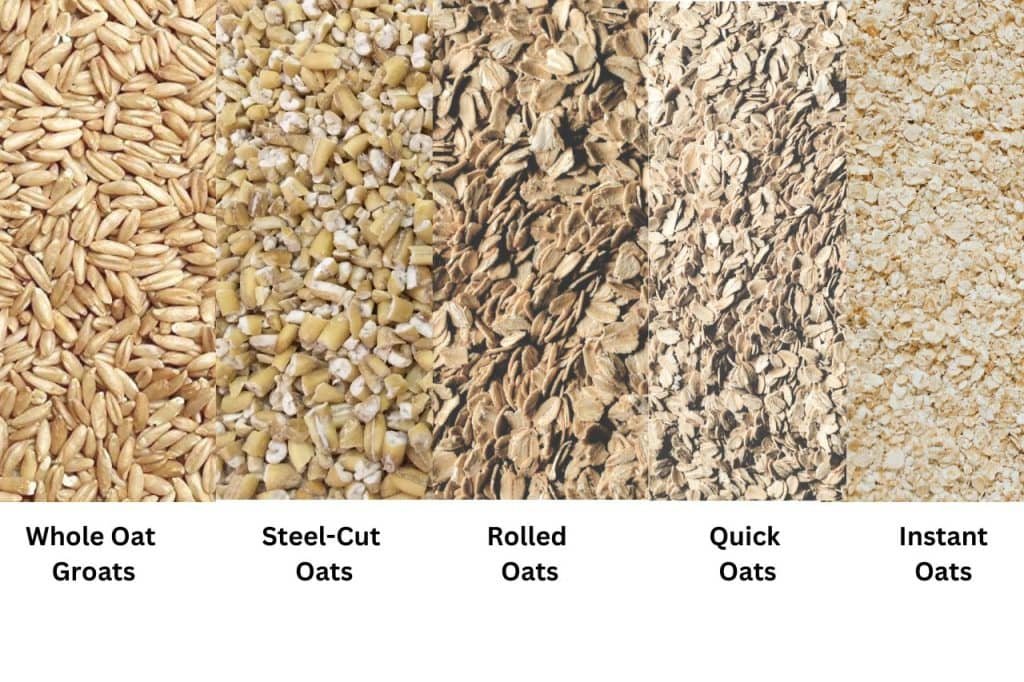
There are a few different kinds of oats that you can buy in the shop, and their nutritional value mainly depends on processing. Like all grains, the more oats are processed, the more nutrition they lose.
Let’s have a look at the nutrition of five kinds of oats: Whole Oat Groats, Steel-Cut Oats, Rolled Oats, Quick Oats, and Instant Oats.
| Nutrient | Whole Oat Groats | Steel-Cut Oats | Rolled Oats | Quick Oats | Instant Oats |
|---|---|---|---|---|---|
| Calories | 389 | 375 | 379 | 367 | 367 |
| Protein (g) | 16.9 | 12.5 | 13.2 | 11.8 | 11.8 |
| Total Fat (g) | 6.9 | 7 | 6.9 | 7 | 6.8 |
| Saturated Fat (g) | 1.2 | 1.2 | 1.2 | 1.1 | 1.1 |
| Monounsaturated Fat (g) | 2.2 | 2.1 | 2.2 | 2 | 2 |
| Polyunsaturated Fat (g) | 2.5 | 2.5 | 2.5 | 2.6 | 2.6 |
| Carbohydrates (g) | 66.3 | 67.7 | 67 | 68.2 | 68.2 |
| Fiber (g) | 10.6 | 10 | 10.1 | 8.4 | 8.2 |
| Sugars (g) | 1.1 | 0.9 | 0.9 | 0.9 | 0.9 |
| Calcium (mg) | 52 | 52 | 52 | 47 | 47 |
| Iron (mg) | 4.7 | 4.7 | 4.7 | 4.2 | 4.2 |
| Magnesium (mg) | 138 | 138 | 138 | 135 | 135 |
| Phosphorus (mg) | 410 | 410 | 410 | 408 | 408 |
| Potassium (mg) | 362 | 362 | 362 | 350 | 350 |
| Zinc (mg) | 3.6 | 3.6 | 3.6 | 3.2 | 3.2 |
| Manganese (mg) | 4.9 | 4.9 | 4.9 | 4.3 | 4.3 |
| Selenium (mcg) | 28.9 | 28.9 | 28.9 | 28.9 | 28.9 |
- Whole Oat Groats are the least processed oats, with the bran, germ, and endosperm intact. This makes them the most nutritious but also the longest to cook ( 45 to 60 minutes).
- Steel-cut oats are whole oat groats that have been chopped into pieces. They have a slightly lower fibre content than whole groats but cook faster ( 20-30 minutes)
- Rolled Oats are steamed and then rolled to flatten them, which shortens cooking time. They have slightly less fibre and a different texture than steel-cut oats and take 10 to 15 minutes to cook.
- Quick Oats are rolled oats cut into smaller pieces and steamed longer, so they cook faster but have a bit less texture and fibre and take only 3-5 minutes to cook.
- Instant Oats are pre-cooked dried, and often have added sugars and salts. They are the fastest to make, 1-2 minutes (or just add hot water), but can have slightly less nutritional value due to processing and additives.
We only notice a little difference when comparing the nutritional values of all five oat types. The most significant difference can be noticed in the amount of protein. Whole Oat Groats have 16.9g per 100g, whilst Instant Oats have significantly less – 11.8g per 100g.
What are the best oats when looking at the Glycemic Index?
We notice the most significant difference between different kinds of oats when comparing the Glycemic Index. The Glycemic Index (GI) measures how quickly food causes a rise in blood glucose levels. Foods with a lower GI are digested and absorbed more slowly, gradually increasing blood sugar.
| Type of Oats | Glycemic Index (GI) |
|---|---|
| Whole Oat Groats | 40-50 (Low) |
| Steel-Cut Oats | 42-53 (Low) |
| Rolled Oats | 55-58 (Medium) |
| Quick Oats | 65-70 (Medium) |
| Instant Oats | 75-80 (High) |
As you can see, the processing of oats significantly affects their Glycemic Index, from whole oat groats and steel-cut oats with low GI to instant oats with high GI.
If you want to learn about the most popular bread and their GI index, check my article:
Healthiest Bread Compared: Bloomer, Sourdough, Rye, and 8 More Ranked
Why Oats Matter for Women Over 40?
If you’re in your 40s or beyond, oats aren’t just a convenient breakfast; they’re doing some genuinely useful things for your body at a time when it needs the extra support. Here’s why you should eat oats if you are over 40:
Blood sugar and insulin sensitivity
During perimenopause, fluctuating oestrogen levels can mess with your insulin sensitivity. You might notice that foods you used to eat now leave you with energy crashes or afternoon brain fog. This is where choosing the right type of oats is important- less processed oats like steel-cut or rolled oats have a lower glycemic index, meaning they release energy more slowly and keep your blood sugar steadier. That’s not just good for energy; it helps with mood, cravings, and weight management too.
The gut-hormone connection
This one does not get talked about enough. Oats are rich in beta-glucan, a type of soluble fibre that acts as a prebiotic, feeding the beneficial bacteria in your gut. Why does this matter for hormones? Your gut contains estrobolome bacteria, which plays a direct role in how your body metabolises and clears oestrogen. A healthy, well-fed gut microbiome supports better oestrogen balance, which can help ease some perimenopause symptoms like bloating, mood swings, and irregular cycles. (3)
Magnesium
Most women over 40 aren’t getting enough magnesium, and it shows in poor sleep, muscle cramps, anxiety, and increased stress. Oats are a solid source of magnesium (around 138mg per 100g for less-processed types), which supports sleep quality, stress management, and muscle recovery.
Heart health
After 40, your cardiovascular risk starts to increase as oestrogen’s protective effects decline. The beta-glucan in oats has been consistently shown to help lower LDL cholesterol, which is one of the easiest dietary changes you can make for long-term heart health. (1)
A note on phytoestrogens
Oats contain small amounts of lignans, a type of phytoestrogen that can weakly mimic oestrogen in the body. They’re not as potent as the phytoestrogens in flaxseed or soy, but still good. If you’re already adding ground flaxseed to your porridge (which I do), you’re helping your body.
Why is there such a big difference between different kinds of Oats?
- Processing: The more processed the oats are, the higher the glycemic index tends to be. Processing reduces the size of the grain, making it easier and quicker for the body to digest and absorb, which is why the GI increases.
- Cooking Time: Less processed oats, such as whole oat groats and steel-cut oats, need to be cooked longer, lowering their GI. In contrast, instant oats are pre-cooked and thus have a higher GI.
How to choose the best oats?
Choosing oats with a lower glycemic index, such as whole oat groats or steel-cut oats, is good for maintaining stable blood sugar levels, especially if you have to manage diabetes or you are managing your weight and want to keep your energy stable and stay full for longer. Minimally processed oats also have more protein, which will help your muscle growth.
I would avoid Instant Oats as they have a very high GI, which means they will only keep you full for a short time. Instant oats also tend to have added sugar and flavourings that make things even worse.
But your choice also depends on how much time you have and what kind of oat texture you prefer. I choose rolled-outs that have a good amount of protein but are not too high in GI and cook in 10 to 15 minutes.
Tips on how to make your Oats even more nutritious:
1. Add Protein:
Add nuts, seeds, Greek Yogurt, or protein powder to your morning porridge or overnight oats.
2. Enhance Fibre:
Add a tablespoon of ground flaxseed or chia seeds for extra fibre and omega-3 fatty acids.
3. Boost Antioxidants:
With fruits, fresh or frozen berries and spices like cinnamon or nutmeg.
4. Add Healthy Fats:
Mix in a small amount of nut butter or coconut oil to make your oats more creamy and nutritious.
5. Increase Vitamins and Minerals:
Add superfoods like spirulina, maca powder, or cacao nibs for extra nutrients.
6. Sweeten Naturally:
Instead of sugar, add mashed-up banana, dates, raisins, or a tiny dash of maple syrup.
7. Improve Digestibility:
Soak your oats overnight in plant-based milk or water to improve digestibility. Soaking can also help to break down phytic acid, which can interfere with nutrient absorption.
Ferment your oats by soaking them in a warm place with a tablespoon of yoghurt or kefir to enhance digestibility and nutrient absorption.
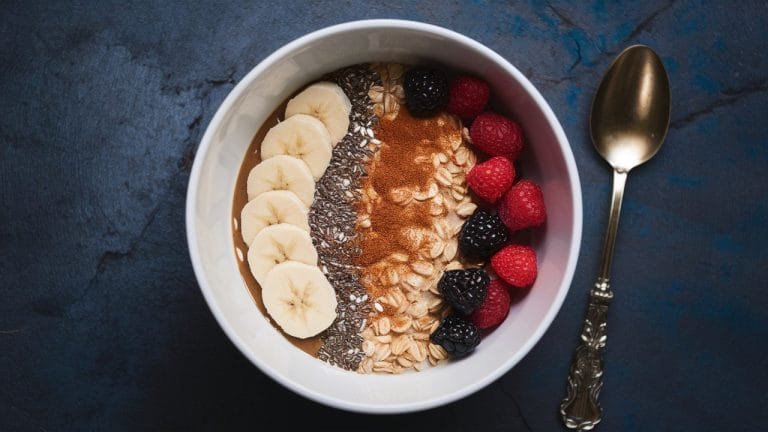
My favourite Oats recipe at the moment
is Power-Packed Oatmeal
Ingredients:
– 1/2 cup rolled oats
– 1 cup soy milk (or any milk of choice)
– 1 tablespoon chia seeds
– 1 tablespoon almond butter
– 1/2 banana, sliced
– 1/4 cup berries ( frozen or fresh )
– 1 tablespoon ground flaxseed
– A dash of cinnamon
– A drizzle of honey or maple syrup (I don’t add it, but it is up to you )
How to make it :
- Combine the oats and almond milk in a pot and bring to a simmer.
- Cook for about 5-7 minutes, stirring occasionally, until the oats are tender.
- Stir in the chia seeds, almond butter, and ground flaxseed.
- Top with sliced banana, berries, and a dash of cinnamon.
- Drizzle with honey or maple syrup if you are using it.
FAQ about Oats:
Are Oats Gluten Free?
Oats are naturally gluten-free, but they are usually processed in factories that also process wheat, barley, and rye, which can lead to cross-contamination with gluten. If you have celiac disease or gluten sensitivity, always choose oats with a “gluten-free” label.
Can oats help with perimenopause weight gain?
They can be a part of it. Less processed oats (steel-cut or rolled) have a lower glycemic index, which means they keep you fuller for longer and help prevent the blood sugar spikes that drive cravings. The fibre also supports a healthy gut microbiome, which plays a role in how your body manages weight during hormonal shifts. They’re not a miracle food, but a solid foundation for a balanced breakfast.
Are oats anti-inflammatory?
Oats contain avenanthramides, antioxidant compounds that have been shown to have anti-inflammatory properties. Combined with the beta-glucan fibre that supports gut health, regularly eating less-processed oats can be part of an anti-inflammatory diet. However, if you are eating instant oat, loaded with sugar, you are probably not getting many anti-inflammatory benefits.
Should I soak my oats?
Soaking oats overnight can improve digestibility and help break down phytic acid, which can interfere with how well your body absorbs minerals like magnesium, iron, and zinc. Also, soaking and then eating them cold increases the resistant starch content, which is extra fuel for your gut bacteria.
How much oats should I eat?
A standard serving is around 40–50g (about half a cup of dry oats), which gives you a solid dose of fibre, beta-glucan, and minerals without overdoing it on carbs. There’s no hard rule, but one bowl a day is a good baseline for most women.
If you want to find out what pasta is the best for you, read this article: WHAT IS THE HEALTHIEST PASTA? LET’S BREAK IT DOWN.
Please note: This post is for informational purposes only and is based on research. It’s not medical advice. It’s always best to consult with a healthcare professional if you have health concerns. Enjoy reading!
- Paudel, D., Dhungana, B., Caffé, M., & Krishnan, P. (2021). A Review of Health-Beneficial Properties of Oats. Foods, 10. https://doi.org/10.3390/foods10112591.
- Korczak, R., Kocher, M., & Swanson, K. (2020). Effects of oats on gastrointestinal health as assessed by in vitro, animal, and human studies.. Nutrition reviews. https://doi.org/10.1093/nutrit/nuz064.
- (3) Baker, J.M., Al-Nakkash, L., & Herbst-Kralovetz, M.M. (2017). Estrogen–gut microbiome axis: Physiological and clinical implications. Maturitas, 103, 45-53. https://doi.org/10.1016/j.maturitas.2017.06.025

Silvija Meilunaite, PN1-NC, CSMC, is a certified nutrition coach and menopause coaching specialist. Combining current scientific research with her own experience of perimenopause, she writes evidence-based articles, practical guides, and in-depth product reviews to help women over 40 make informed decisions about nutrition, strength training, recovery, supplements, non-toxic living, and wellness products.


I love oats, I don’t think I could live without them haha
There are so many misconceptions about oats these days. Thank you for sharing this informative article
yes! Oats are good for us !