I have been using black seed (Nigella sativa) oil for a while now, and research shows it can be very beneficial. I am a big advocate of natural remedies, but I also understand that not all oils are created equal. If you want to learn more about the benefits of black seed oil, I have a detailed article that breaks them down. In this article, I want to introduce BioNatal Black Seed Oil, which I have been using for a while now.
Disclosure: BioNatal Black Seed Oil was gifted to me for review. All opinions are my own, and this review will be updated as I continue testing the oil. I may also earn from affiliate links, at no extra cost to you. Thank you for supporting Barefoot Basil! Full Affiliate Disclosure
TL;DR
BioNatal Black Seed Oil Review: My Quick Verdict
Is BioNatal black seed oil worth it? Based on my initial experience, I think BioNatal Ethiopian Black Seed Oil is worth considering if you want a cold-pressed, unfiltered black seed oil with a high reported thymoquinone (TQ) concentration. The brand has previously reported thymoquinone levels up to 4.64%.
Surprisingly, I found its peppery taste more pleasant than my previous oils.
I also like the brand’s transparent approach to production and its published laboratory reports.
What I like: The taste, easy-to-pour bottle, high TQ concentration, unfiltered texture and production transparency.
What could be better: It’s isn’t certified organic.
I’ve only been testing it for just over a week, so I can’t make any conclusions about long-term health benefits. I’ll update this review as I continue using it.
Why I wanted to try BioNatal
Previously, I used black seed oil with 2.6% TQ, so when I saw that BioNatal produces oil with a much higher thymoquinone content, up to 4.64%, I wanted to test it out.
What caught my attention the most was their in-house production, and I love how the brand explains every step. From sourcing seeds to cleaning, cold pressing, storing and bottling. I was also intrigued by Ethiopian black seed oil, as it seemed to have different properties than Egyptian and Turkish varieties.
What is different about Ethiopian black seeds?
Some studies found that Ethiopian black seeds have higher levels of antioxidant compounds and better oxidative stability than samples from other countries. Some Ethiopian black seed oil samples also had higher thymoquinone levels (3).
Does Ethiopian origin guarantee a better oil?
Ethiopian origin alone does not guarantee a better oil. Seed variety, growing conditions, maturity at harvest, and storage and extraction processes can all affect its composition (1)(2). For me, sourcing is a useful starting point, but I also want to know how the finished oil is produced and tested.
BioNatal’s quality claims: what could I verify?
I appreciate BioNatal’s transparency about its production and quality testing. I reviewed the brand’s laboratory reports and certificates and contacted them directly to clarify a few points.
BioNatal uses independent laboratories to test its black seed oil and received UL Solutions GMP certification in September 2026 for its US manufacturing and packaging operations. The brand explained that it tests every batch produced in the US.
I was particularly interested in the thymoquinone (TQ) concentration. BioNatal explained that it sources seeds from the same annual Ethiopian harvest, so TQ levels should remain consistent throughout the year. The brand previously reported up to 4.64% TQ, and more recent testing shows about 4.5%. However, the exact concentration isn’t guaranteed in every bottle.
How I tested BioNatal black seed oil
I’ve been taking BioNatal black seed oil for just over a week, and I’ll update this review once I’ve used it longer. I’ve missed a few days while travelling, but I’m gradually incorporating it into my daily routine.
My experience: taste, texture and daily use
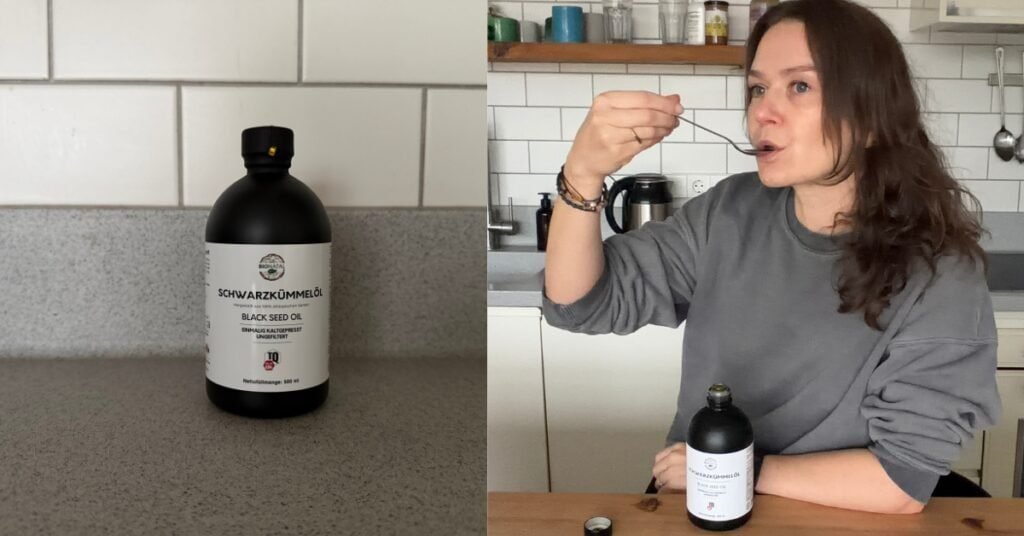
I am not new to black seed oil, so I was not shocked by the potent taste of BioNatal’s black seed oil. But I found it more pleasant than my previous oils. Yes, it is bitter, but it tasted like very strong pepper. After taking a teaspoon, I washed it down with a bit of water and felt a subtle warmth in my throat. As the weather gets colder, I like the warming feeling it gives me.
Black seed oil has a strong, peppery smell, but after a while, I get used to it and like it. If you don’t like the peppery taste, try their Organic Black Seed Oil Softgels.
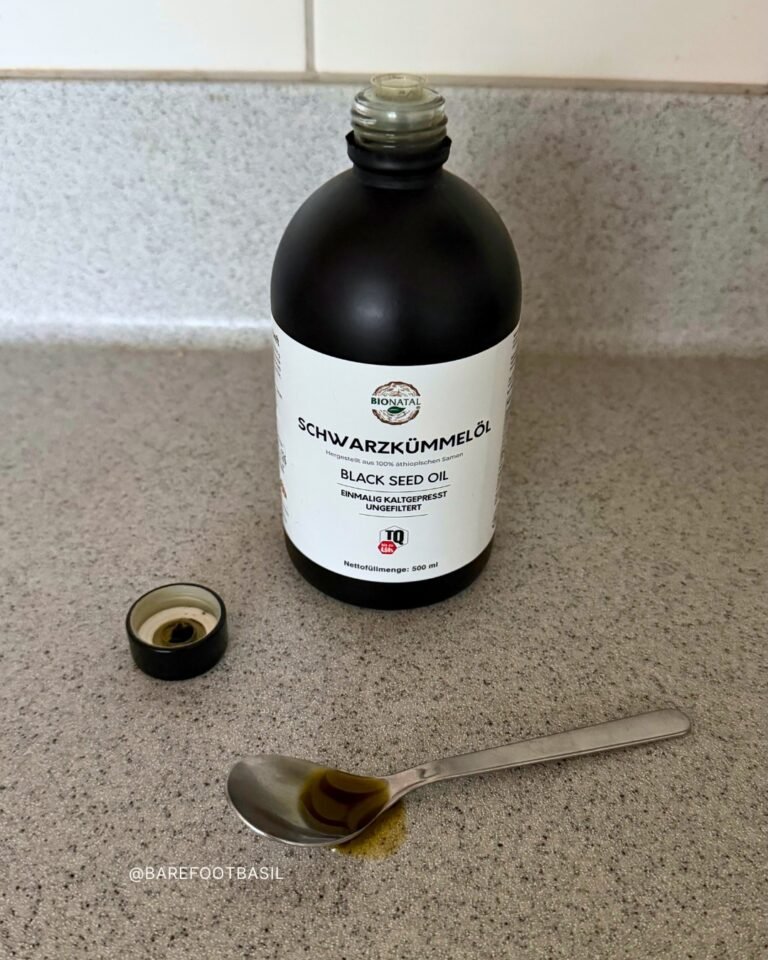
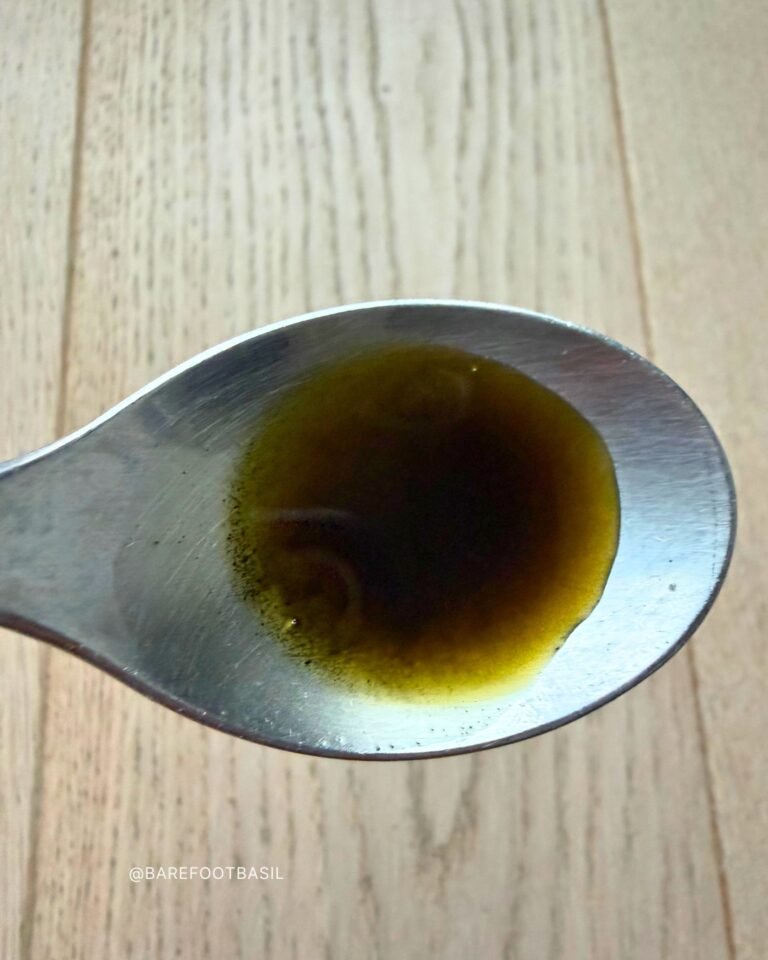
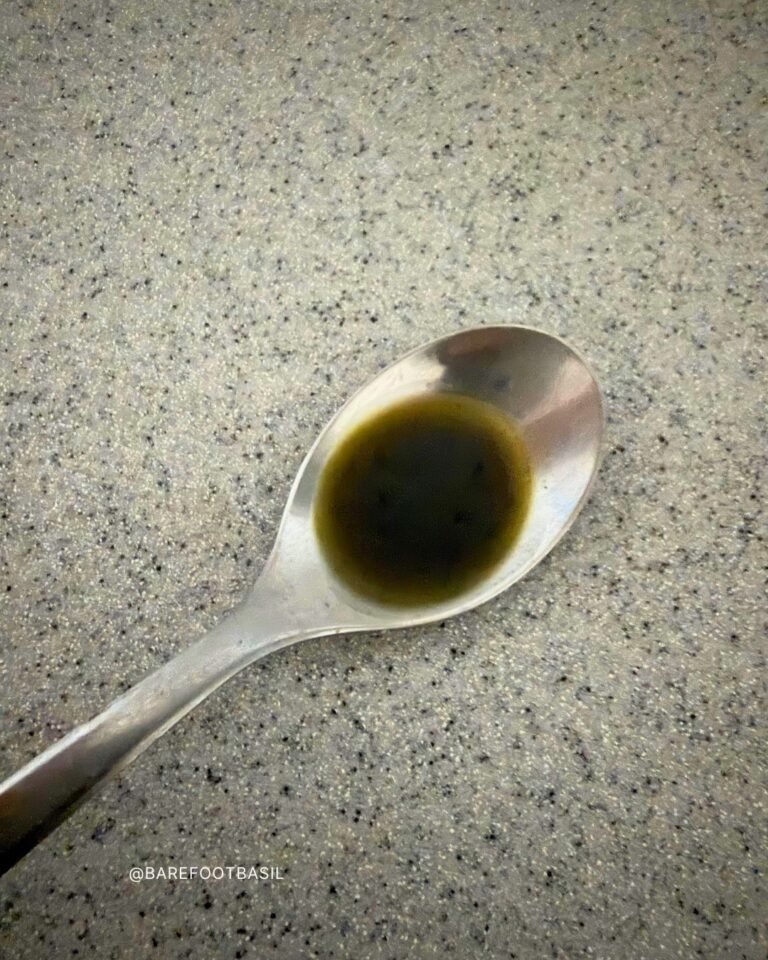
Because this black seed oil is unfiltered and has a lot of sediment, shake the bottle before consuming it. I was surprised to see that it looked different from the oils I used before. The previous oil was smooth and brownish, while this oil looks like olive oil with many black bits in it. On the spoon, it looks greenish, see-through, and has many seed pieces in it.
I like that the oil is unfiltered and still contains fine seed particles, giving it a more textured feel than the smoother oils I have used before.
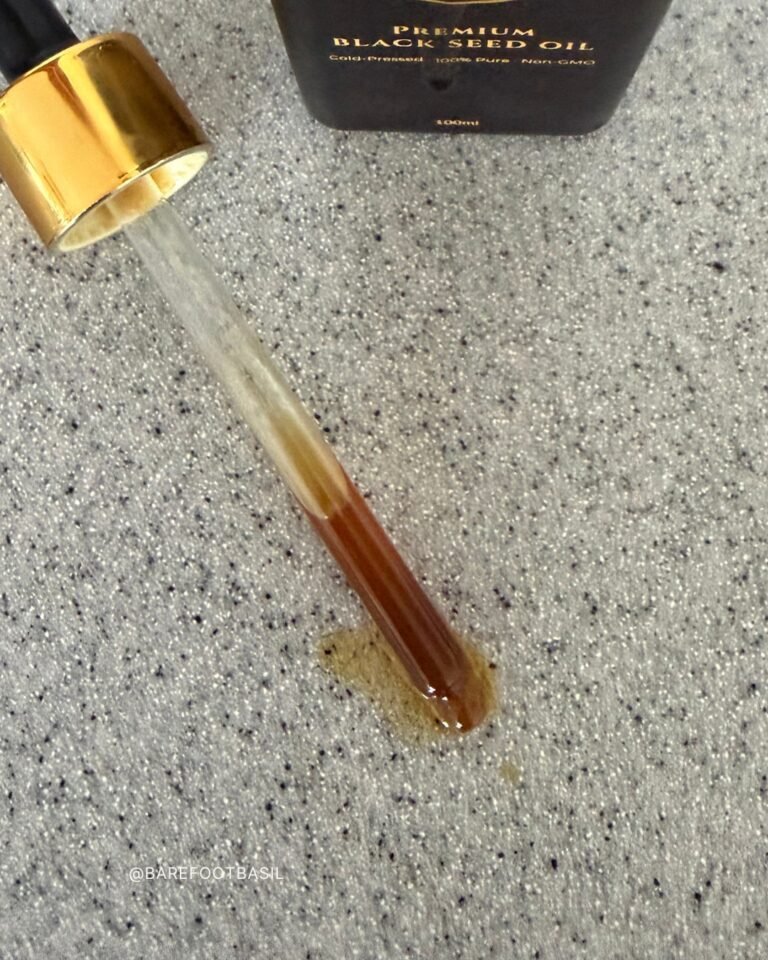
I am not too precise with measuring; I just don’t exceed a teaspoon each day. The bottle is very easy to pour from without making a mess.
Since I am used to black seed oil, it’s easy to fit into my daily routine. I normally take it in the morning with a glass of water to start the day well. I don’t have any digestive issues, so I don’t take it with food. But if you have a sensitive stomach and aren’t used to potent tastes, you might want to take it with food. However, don’t heat the oil, as it will lose some of its beneficial properties.
Overall, even though this oil is more potent, it still feels more subtle in taste and smell than the black seed oils I tried before.
Did I notice any changes since starting to use Bionatal’s black seed oil?
I need to take it longer to see significant improvements; however, some changes would require a blood test to measure. It would be hard to notice effects on inflammation, cholesterol, or blood sugar.
It’s supposed to help my immune system; I barely get sick, but it still feels good to support my immunity. After just over a week, it is too early for me to conclude that it is beneficial. I have noticed feeling less hungry during the day when I take it in the morning, although I cannot tell whether the oil is responsible.
I will continue taking it daily for at least a month and will come back to update this section.
Is it worth the price?
BioNatal Ethiopian Black Seed Oil is not cheap, but I do think that the price is justified. The quality of the oil and packaging is great, and it does last for a very long time, as you only need to take a teaspoon a day.
What I like about BioNatal is that they import seeds from Ethiopia, make their oil in their US and German facilities, and ship it from their warehouses there. So whether you live in the US or Europe, you should get the oil very fast. My bottle arrived quickly and was packaged safely, without unnecessary packaging.
It is definitely one of the cases where paying a bit more is worth it for the quality.
Found this review helpful?
Get more honest recommendations in your inbox.
Thank you!
You have successfully joined our subscriber list.
FAQ about BioNatal’s Black Seed Oil
Is BioNatal’s oil certified organic?
BioNatal sells organic Black seed oil sofgels, but their Ethiopian black seed oil is GMO-free, not organic.
Does every bottle contain 4.64% thymoquinone?
Not necessarily. BioNatal explained that it sources seeds from an annual Ethiopian harvest and uses them to produce oil throughout the year. This helps maintain relatively consistent TQ levels, although natural variations are possible. The brand has previously recorded 4.64% TQ, with more recent testing reportedly showing around 4.5%. However, the oil isn’t standardised to a fixed percentage, so the exact concentration isn’t guaranteed in every bottle.
Why is there sediment?
There is sediment in BioNatal’s oil because the brand offers unfiltered black seed oil, as seed particles contain many beneficial components. BioNatal purifies their oil manually to make sure approximately 5% of sediment is left in your bottle.
How should this particular oil be stored?
You should not expose the oil to the sun or heat. I store it in the fridge, and I remember to take it out when I open the fridge door, which ensures that the oil is away from the sun and heat. You can keep it in a cupboard, but away from the stove.
If you have more questions about BioNatal Ethiopian Black Seed Oil, you can find the short video answers on their website https://www.bionatal.co/pages/faq-videos
BioNatal Black Seed Oil: Pros and Cons
What I like
Cold-pressed, unfiltered Ethiopian black seed oil
High reported thymoquinone concentration
In-house production, third-party laboratory testing and GMP-certified US manufacturing
Surprisingly pleasant taste compared to other black seed oils I’ve tried
Easy-to-pour bottle with no mess
What could be better
More expensive than many other black seed oils
Not certified organic
My final verdict
I really like BioNatal’s Ethiopian black seed oil. The taste is surprisingly pleasant compared to other black seed oils I’ve tried, and I appreciate the brand’s transparency about sourcing, production and laboratory testing.
It’s not the cheapest black seed oil, but knowing BioNatal produces its own oil, conducts quality testing, and uses GMP-certified US manufacturing makes the higher price easier to justify for me.
I wish the oil was certified organic, although it is non-GMO according to the brand, and they also offer organic black seed oil softgels.
I’ll update this review after using the oil for longer.
Health Disclaimer: This post is for informational purposes only and is not medical advice. Always consult a qualified healthcare professional before making changes to your supplements, medications, or treatment plan, particularly during perimenopause or if you have an existing health condition.
Why trust this review? Here's how I research, test, and score every product.
References
- Neunert, G., Kamińska, W., & Nowak-Karnowska, J. (2025). Evaluating the Thymoquinone Content and Antioxidant Properties of Black Cumin (Nigella sativa L.) Seed Oil During Storage at Different Thermal Treatments. Applied Sciences. https://doi.org/10.3390/app15010377
- Khaĭkin, E. L., Chrubasik-Hausmann, S., Kaya, S., & Zimmermann, B. (2022). Screening of Thymoquinone Content in Commercial Nigella sativa Products to Identify a Promising and Safe Study Medication. Nutrients, 14. https://doi.org/10.3390/nu14173501
- Abdel-Razek, A. G., Hassanein, M., Moawad, S., Farouk, A., Badr, A., Shehata, M. G., Siger, A., Grygier, A., & Rudzińska, M. (2024). Assessment of the Quality, Bioactive Compounds, and Antimicrobial Activity of Egyptian, Ethiopian, and Syrian Black Cumin Oils. Molecules, 29. https://doi.org/10.3390/molecules29214985

Silvija Meilunaite, PN1-NC, CSMC, is a certified nutrition coach and menopause coaching specialist. Combining current scientific research with her own experience of perimenopause, she writes evidence-based articles, practical guides, and in-depth product reviews to help women over 40 make informed decisions about nutrition, strength training, recovery, supplements, non-toxic living, and wellness products.