
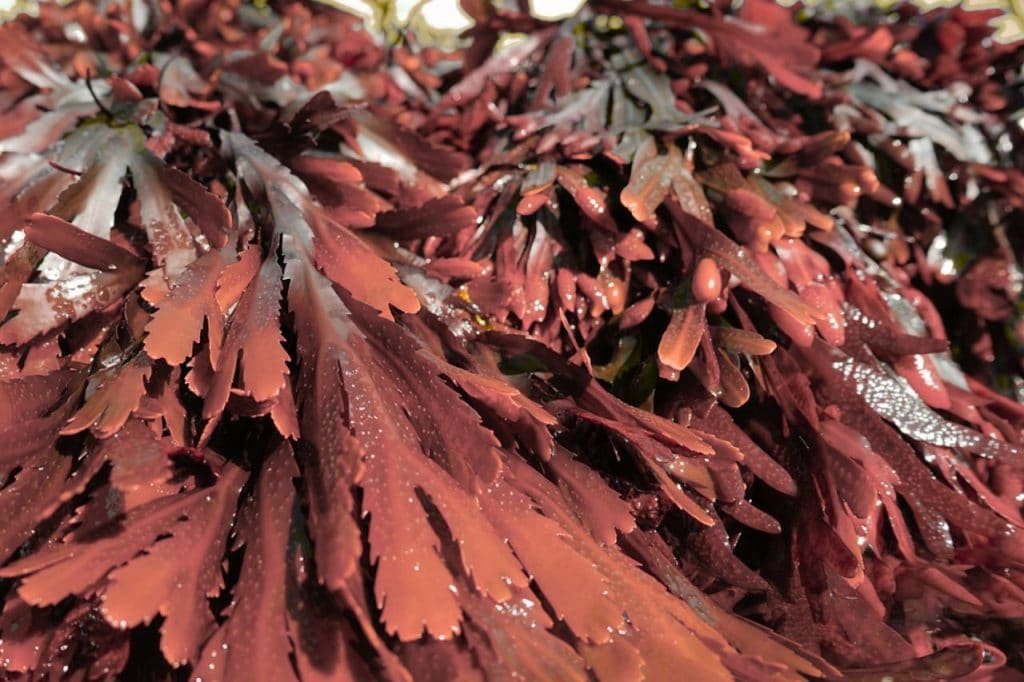
Irish sea moss is everywhere, and if you’re a woman over 40, you’ve probably been targeted with sea moss ads promising clear skin, faster metabolism, perfect gut health, and a boost of energy. Most of those claims are marketing. Some are true. A few are worth taking seriously.
I’m a certified nutrition coach (PN1-NC) and menopause coaching specialist (CSMC), and I get sceptical when wellness marketing gets loud. But I’m also 42, dealing with hormonal acne, dry skin, and the kind of weight that wasn’t there at 35 – so when something gets this much attention from women in midlife, I want to know whether it actually does anything, or whether it’s the next collagen powder.
I’ve taken spirulina daily for years, and I’m genuinely comfortable with sea superfoods. So I researched sea moss the way I’d research it for a client: what’s the evidence, where’s the risk (especially around iodine and thyroid in perimenopause), and what the marketing won’t tell you about iron, the “92 minerals” myth, and who really shouldn’t take it.
Here’s what I found.
Nutritional Profile of Irish Sea Moss
You have probably seen the information that Irish sea moss contains 92 minerals, which, even if technically accurate, misses the point. The amounts of most nutrients in a typical serving are too small to impact your nutritional intake meaningfully.
What’s worth paying attention to are the few nutrients that show up in amounts that could benefit you, especially if you are a woman navigating perimenopause. The diagram below covers those.
What’s not on this list (and why)
If you’ve researched sea moss before, you’ve probably seen claims about iron content and omega-3 fatty acids. I’ve left those off this diagram deliberately – the amounts are either too small to matter at typical serving sizes, the absorption is questionable, or the claim itself is more marketing than measurement.
I cover each of these honestly further down: the iron question for women in perimenopause specifically, what the 92 minerals myth actually means, and what sea moss probably won’t do.
What Irish Sea Moss Might Actually Do for You
The marketing for sea moss is loud, but actual research is much more cautious. After looking at what’s been studied versus what gets claimed on social media, here’s how I’d group sea moss’s potential benefits.
Supported by evidence
Iodine for thyroid function (if you’re deficient). Iodine is essential for thyroid hormone production, and sea moss contains it (5). If you have low iodine intake – which is uncommon in countries that iodise salt but more common in those that don’t (most of Europe, including the UK and Ireland) – sea moss can help. Two important things to keep in mind: most women in midlife are NOT iodine deficient, and the iodine in sea moss is so variable from batch to batch that it’s hard to dose it. More on this in the iodine section below.
Gut and microbiome support via soluble fibre. This is sea moss’s strongest evidence-based benefit. Dried sea moss contains 6-8g of fibre per 100g, much of it the soluble, prebiotic kind that feeds beneficial gut bacteria. (1) (3). For women in perimenopause – where gut-hormone interactions through the estrobolome become more relevant – this is important. You won’t get massive doses from a typical 8g serving, but if you take it regularly, it can add up, alongside other fibre sources, of course.
Mucilaginous fibre may soothe the digestive lining. Sea moss has a gel-like texture from its sulphated polysaccharides, and there’s some research suggesting these compounds can support the mucosal lining in the gut. Most evidence here is from cell or animal studies, not human trials, so I would say it is a potential, not proven, benefit.
Iron. Sea moss contains meaningful iron, especially in less-processed forms – a 2024 peer-reviewed analysis found Chondrus crispus has around 61mg iron per 100g dried weight (4). For women in perimenopause, where heavy bleeding can deplete iron, this contribution is worth knowing about. The amount you actually get depends on the form you take and your overall iron status. If you suspect iron deficiency, get a ferritin test rather than relying on supplements alone.
Likely but unproven benefits
Antioxidant compounds. Sea moss contains flavonoids and phenolic compounds that show antioxidant activity in lab studies. Whether this has health benefits when you eat sea moss is another question. You’ll get way more antioxidants from berries, green tea, or dark chocolate, but adding some sea moss to your smoothie will do no harm.
Immune support. You’ll see this claim everywhere. The mechanism (vitamin C, antioxidants, sulphated polysaccharides) theoretically yes, but there are no clinical trials showing sea moss meaningfully boosts immune function in humans at typical doses.
Skin hydration from oral consumption. Sea moss contains some minerals that support skin health, but the popular claim that eating sea moss improves skin clarity, elasticity, or acne lacks human evidence. Topical sea moss masks may have some immediate hydrating effect (anything wet and gel-like will), but that’s different from eating it.
What’s 100% marketing and not science
Weight loss. Sea moss does not promote weight loss in any clinically meaningful way. The “low calorie, high nutrient” framing is technically true but irrelevant – sea moss isn’t replacing meals, it’s an addition to them. Some marketing claims about sea moss “boosting metabolism” or “burning fat” have no evidence behind them at all.
The “92 minerals” claim. This is one of the most repeated claims in sea moss marketing. It’s also misleading. Full debunk further down.
Hormone balance, fertility, and “feminine wellness.” These are loaded marketing terms with no evidence behind them in the context of sea moss. Anyone selling sea moss as a perimenopause hormone fix is overreaching badly.
If you would like to incorporate Sea Moss into your diet, I have listed the best products on the market: Best Irish Sea Moss Brands: Gels, Capsules & Drops I’d Actually Buy
Does Irish sea moss really contain 92 minerals?
Irish sea moss is constantly praised for containing 92 of the body’s 102 essential minerals, but this claim lacks robust scientific backing.
The human body actually requires about 20 essential minerals for proper functioning, including both macro-minerals like calcium and magnesium and trace minerals such as zinc and selenium.
While Irish sea moss does include a range of beneficial minerals like iodine, calcium, potassium, sulfur, and magnesium, and small amounts of other trace minerals, the assertion that it provides up to 92 minerals is inflated. The exact mineral content of Irish sea moss can vary depending on where it is harvested, particularly the mineral composition of the water.
Though sea moss is a nutritious supplement that can enhance diets, particularly in iodine and potassium, it’s important to critically assess claims and consider the broader nutritional profile of any superfood.
Iodine and Thyroid in Perimenopause
Perimenopause is a time in our lives when thyroid problems become more common, and many women in this age range live in areas with iodine imbalance. Iodine is important because it is essential for making thyroid hormones, but both too little and too much can disturb thyroid function (6). What does it mean when consuming Sea Moss?
The problem with sea moss and iodine is variability. A 2020 study on Chondrus crispus found iodine levels varying from as little as 50 mcg to over 1500 mcg per gram depending on harvest location and season (1). The EU recommended daily allowance for iodine is 150 mcg for adults, with an upper safe limit of 600 mcg per day set by EFSA. A single tablespoon of high-iodine sea moss could theoretically push you over that limit.
This matters more in perimenopause because subclinical hypothyroidism – where thyroid function is slightly impaired without obvious symptoms – becomes more common after 40. Symptoms overlap heavily with perimenopause itself: fatigue, weight changes, mood shifts, and brain fog. Many women don’t know they have a thyroid issue until it’s tested.
My recommendation: if you want to add sea moss to your routine in perimenopause, get a TSH test first. Start with a small dose (half a tablespoon of gel), and avoid taking it on the same day as any iodine supplement or iodised salt. If you’re already on thyroid medication or have Hashimoto’s, talk to your doctor before starting.
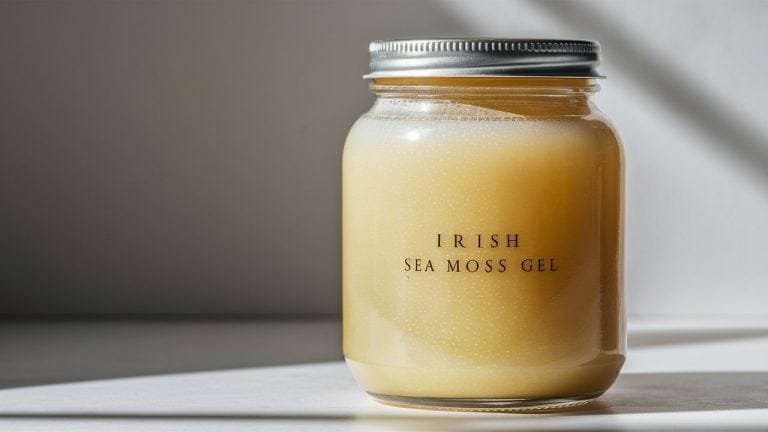
If you want to try out Irish Sea Moss products, I have made a list of the BEST SEA MOSS PRODUCTS
How I Use Sea Moss
I like to buy raw sea moss and make small batches of gel myself. This way, it keeps fresh, and I control how much water and any other ingredients I add to it.
Most of the time, I only add water and squeeze in some lemon or lime. It softens the sea taste and adds some extra vitamin C to my gel. But if you don’t have time, you can also buy premade sea moss gel.
In my diet:
- Smoothies and Juices:
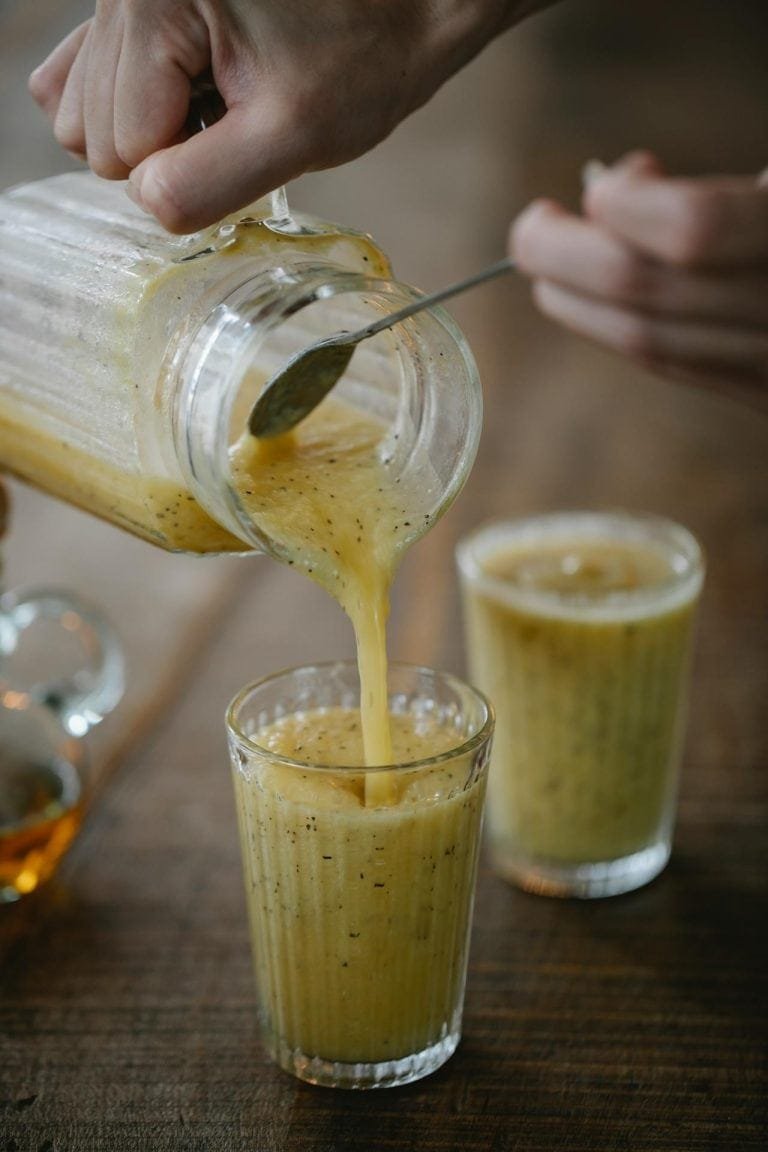
One of the easiest ways to start using sea moss is in smoothies or juices. I add a couple of tablespoons of sea moss gel blended into your favorite smoothie. It makes my smoothies creamier, and you can’t really taste it. - Soups and Stews:
Irish sea moss gel can act as a thickener for soups and stews. Since it’s virtually tasteless, I add it to my recipes.
- Homemade Nut Milk:
If I make a nut milk, like almond or cashew, I add a bit of sea moss gel to enrich the texture, making it silkier while adding additional nutrients.
I Use It in my Skincare Routine
- Soothing Face Masks:
I mix some sea moss gel with ingredients like honey or turmeric for a soothing face mask. Apply it to clean skin, leave it on for about 15 minutes, and wash off with warm water. It’s great for hydrating the skin and can help with irritation thanks to its anti-inflammatory properties. - Daily Moisturizer:
I mix a small amount of sea moss gel into my usual face or body cream for a simple daily moisturiser. It adds hydration and minerals.
As a Dietary Supplement
- Supplements:
If I’m traveling, I like to buy some sea moss drops or capsules with me.
Who Should Avoid Sea Moss?
If you have a thyroid condition. Anyone with Hashimoto’s, hyperthyroidism, or who is currently on levothyroxine should not add sea moss without medical guidance. The variable iodine content makes consistent dosing impossible, and both iodine excess and deficiency can significantly affect thyroid medication efficacy.
If you take blood thinners or anticoagulants. Sea moss has mild blood-thinning properties. Combined with medications like warfarin, this could affect clotting. Check with your prescriber.
If you’re pregnant or breastfeeding. Iodine needs increase during pregnancy, but sea moss isn’t a reliable way to meet them given the variability. Standard prenatal supplements are the safer route.
If you have kidney disease. High potassium and mineral content puts extra load on kidneys. Not suitable without medical advice.
If you have a seaweed or iodine allergy. Rare but real. If you react to kelp, wakame, or other seaweeds, avoid sea moss.
If you’re new to sea moss. Not a reason to avoid, but start with half a dose. High fibre content causes bloating and GI discomfort in some people until the gut adjusts.
How Much Sea Moss Should You Take?
As sea moss is a natural supplement, the beneficial compounds in it can vary depending on the location it was grown, how it was dried, and how fresh it is. It is safe to take daily, and it is recommended to take one to two tablespoons of gel ( around 8 grams).
Raw /dried sea moss should be around 3 to 4 grams. If you are taking drops or capsules, you should read the label for the exact dosage.
If you are new to sea moss, I would recommend starting with a smaller dose and building up.
How does sea moss compare to Kelp, Chlorella, and Spirulina?
The best way to determine whether a new trendy superfood is worth your money is to compare it to similar products.
I’ve put together a table that highlights key nutrients in each to help you compare the nutritional values of Irish sea moss, kelp, chlorella, and spirulina. This overview provides insights into their protein content, vitamin and mineral availability, and other healthful components:
↔ Swipe to compare all sea superfoods
| Irish Sea Moss | Kelp | Chlorella | Spirulina | |
|---|---|---|---|---|
| Best for | Gut health, thyroid support, daily mineral top-up | High iodine, thyroid support | Plant protein, detox support | High protein, endurance, energy |
| Protein per 100g |
Low 1-2g |
Low 1-2g |
High 45-60g |
High 55-70g |
| Fibre per 100g |
High 6-8g (soluble, prebiotic) |
Low 1-2g |
High 10-12g |
Low 1-3g |
| Key minerals | Iodine, calcium, potassium, magnesium, selenium | Iodine, potassium, calcium, magnesium, iron | Iron, magnesium, zinc, calcium, phosphorus | Iron, calcium, magnesium, potassium, zinc |
| Iodine level |
Variable Highly variable by batch - start low |
Very High Consistently high - caution with thyroid conditions |
Low Not a significant iodine source |
Low Not a significant iodine source |
| Key vitamins | Vitamins A, C, B-vitamins (trace amounts) | Vitamin K, B-vitamins | Vitamins B12, C, E, K | B-vitamins, Vitamins A, K, E, D |
| Antioxidants | Flavonoids, phenolic compounds, carotenoids | Fucoxanthin, lignans | Lutein, beta-carotene, chlorophyll | Phycocyanin, beta-carotene, zeaxanthin |
| Omega fatty acids | Trace omega-3 and omega-6 (not a meaningful source) | Trace omega-3 | GLA, omega-3 and omega-6 | GLA, omega-3 (ALA), omega-6 |
| Calories per 100g | ~49 kcal | ~43 kcal | ~290 kcal | ~290-325 kcal |
| After 40 relevance | Gut-hormone axis, thyroid support, bone minerals, gentle daily use | Thyroid support - use with caution due to very high iodine | Iron and protein for energy - no thyroid risk | Complete protein, energy - no thyroid risk |
While spirulina and chlorella are known for their high protein content and unique antioxidants (like phycocyanin in spirulina), and kelp is known for its high iodine content, Irish sea moss offers a balance of vitamins, minerals, and soothing properties that make it beneficial for skin and digestive health.
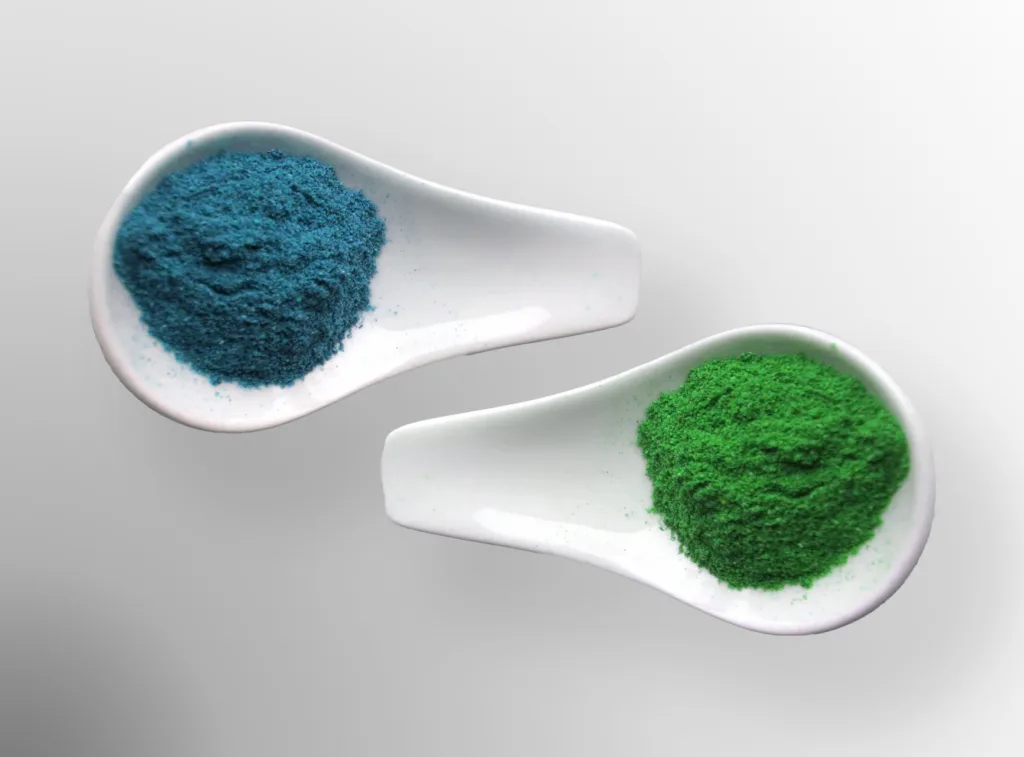
If you want to learn about the benefits of spirulina, read: Green vs Blue Spirulina, what are the benefits
FAQ about Sea Moss in Perimenopause:
Can sea moss aid weight loss?
Although sea moss is low in calories and has a good amount of protein and fibre, it is not Ozempic. Yes, it can make you feel fuller for longer, and fibre can speed up the bowel movement, but weight loss is more than just adding one superfood and expecting miracles. So my answer is, it is a good nutritional addition to your diet, but it is not a weight loss drug.
How to make sea moss gel?
Making sea moss gel is easier than you think. All you need to do is get some good-quality raw sea moss and wash it carefully to get rid of any sand or other impurities. Soak it in water till it doubles in size, 12 to 48 hours. I add some lemon or lime to the water to make the sea moss taste less like sea moss. Take out the soaked sea moss and add it to the blender. Add a bit of water so it blends into a smooth gel. You can be more creative and experiment with adding fruit or berries.
Add the mixture into a jar and keep it in a fridge for an hour or so, and that’s it. It is read to eat or add to your favourite smoothie. It should last for a couple of weeks, depending on what other ingredients you have added.
Is sea moss good for you?
Yes, it is a great superfood that can be a great addition to your diet; however, it will not do miracles, like a lot of marketing is promising you. It is great for Thyroid and hormone support, bone and muscle support, as well as great for gut and digestion, all things that are very important for women over 40. But please note it is a great support, not to replace a nutritious diet.
To summarise,
So should you take sea moss in perimenopause?
My honest answer: probably yes, if you choose a quality wildcrafted product, don’t have a thyroid condition, and keep your expectations realistic. Sea moss is genuinely good for gut health, contributes meaningful iodine if you need it, and is one of the more versatile whole-food supplements you can add to your routine. What it won’t do is balance your hormones, help you lose weight, or deliver 92 minerals in meaningful doses.
For women in perimenopause specifically, the iodine-thyroid connection is the most important thing to understand before starting. Get a TSH test, know your salt intake, and start small. Everything else in sea moss is a gentle, incremental benefit – and that’s actually fine. Not every supplement needs to be a miracle.
If you’re ready to try it, I’ve tested the brands worth buying across every format – gels, capsules, powder, drops, and raw. Best Irish Sea Moss Brands: Gels, Capsules & Drops I’d Actually Buy.
Love learning about Superfoods? You can read: What Is Makhana or Fox Nut
You might also want to learn about another natural supplement -Shilajit:
What Is Shilajit Resin? Benefits, Risks, and Why I Take It in Perimenopause
Health Disclaimer: This post is for informational purposes only and is not medical advice. Always consult a qualified healthcare professional before making changes to your supplements, medications, or treatment plan, particularly during perimenopause or if you have an existing health condition.
- Darias-Rosales, J., Rubio, C., Gutiérrez, Á., Paz, S., & Hardisson, A. (2020). Risk assessment of iodine intake from the consumption of red seaweeds (Palmaria palmata and Chondrus crispus). Environmental Science and Pollution Research, 27, 45737 – 45741. https://doi.org/10.1007/s11356-020-10478-9
- Mohammed, H.O.; O’Grady, M.N.; O’Sullivan, M.G.; Hamill, R.M.; Kilcawley, K.N.; Kerry, J.P. An Assessment of Selected Nutritional, Bioactive, Thermal and Technological Properties of Brown and Red Irish Seaweed Species. Foods 2021, 10, 2784. https://doi.org/10.3390/foods10112784
- Choudhary, B., Khandwal, D., Gupta, N., Patel, J., & Mishra, A. (2023). Nutrient Composition, Physicobiochemical Analyses, Oxidative Stability and Antinutritional Assessment of Abundant Tropical Seaweeds from the Arabian Sea. Plants, 12. https://doi.org/10.3390/plants12122302.
- Čmiková, N., Kowalczewski, P., Kmiecik, D., Tomczak, A., Drożdżyńska, A., Ślachciński, M., Szala, Ł., Matić, S., Marković, T., Popović, S., Baskić, D., & Kačániová, M. (2024). Seaweed Nutritional Value and Bioactive Properties: Insights from Ascophyllum nodosum, Palmaria palmata, and Chondrus crispus. Life, 14. https://doi.org/10.3390/life14111522.
- Xu, J., Liao, W., Liu, Y., Guo, Y., Jiang, S., & Zhao, C. (2023). An overview on the nutritional and bioactive components of green seaweeds. Food Production, Processing and Nutrition, 5. https://doi.org/10.1186/s43014-023-00132-5.
- Dubrovina, S., & Kirevnina, L. (2021). Thyroid in women during peri- and postmenopause: physiology and diseases. Clinical review for general practice. https://doi.org/10.47407/kr2021.2.1.00031.

Silvija Meilunaite, PN1-NC, CSMC, is a certified nutrition coach and menopause coaching specialist. Combining current scientific research with her own experience of perimenopause, she writes evidence-based articles, practical guides, and in-depth product reviews to help women over 40 make informed decisions about nutrition, strength training, recovery, supplements, non-toxic living, and wellness products.


Great list, thank you so much.Picking good sea moss is so hard! I will give True Sea Moss gel a try 🙂