When I entered perimenopause, my skin started behaving differently. It became drier and more sensitive; I noticed some loss of elasticity, and hormonal spots started appearing around my chin. The routine that had worked in my 20s and 30s made my skin look dull and dehydrated.
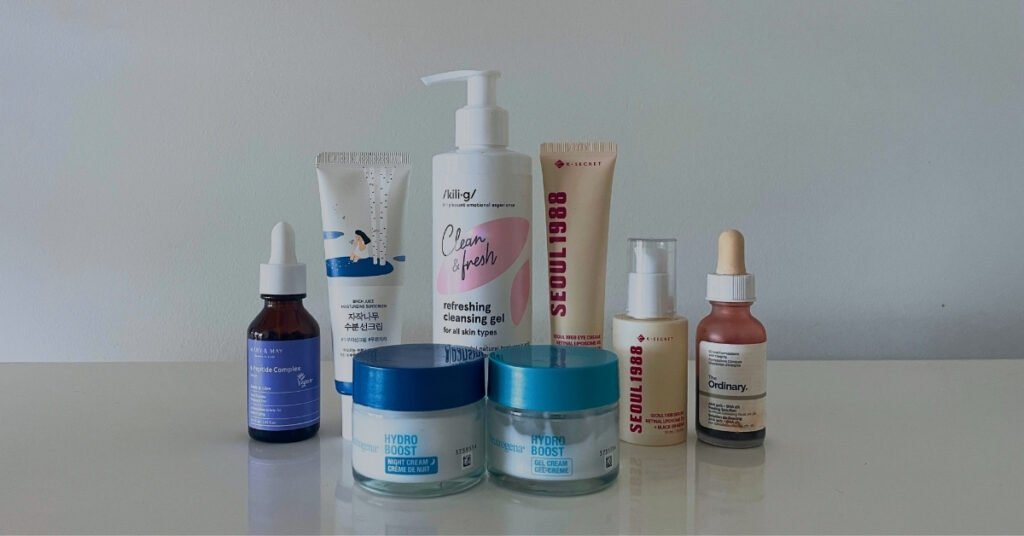
I did not add another 10 products to my skincare; are routine. I became more selective. My essentials are gentle cleansing, hydration, daily sunscreen, and a retinoid that my skin tolerates. I also use a few at-home treatments, including red and blue light devices, and I noticed a subtle change in my skin since starting.
This is my current routine at 42. It is not a prescription or a universal routine. Skin type, acne, rosacea, pigmentation, medications, and personal tolerance all affect what will work for you.
TL;DR: A simple skincare routine in your 40s
Morning: Gently cleanse if needed, moisturise, and apply broad-spectrum SPF 30–50. A vitamin C or peptide serum is optional.
Evening: Cleanse, apply a barrier-supporting moisturiser, and add a retinoid if your skin tolerates it.
If you’re new to retinoids, start with retinol two nights a week and increase gradually. Avoid retinoids during pregnancy and seek professional advice if unsure.
Introduce only one active ingredient at a time. Reduce the frequency if you experience persistent dryness, stinging or irritation.
Red-light masks, blue-light devices, toners and exfoliants are optional, but nice extras
In perimenopause, consistency and protecting your skin barrier usually matter more than following a complicated ten-step routine.
Why does skin change during perimenopause?
Perimenopause is a time of fluctuating and eventually declining oestrogen. Oestrogen receptors are present throughout the skin, and hormonal changes can cause reduced hydration, changes in barrier function, collagen loss, and lower elasticity. Some women, including me, can also experience greater sensitivity, itching, and adult acne ( 1)
This does not mean every change in your 40s is caused by hormones. Sun exposure, genetics, health conditions, your diet, medication, and the products you use are also important. However, if your regular skin care routine suddenly feels too harsh or no longer keeps your skin looking glowy, you are not imagining it.
Disclosure: As an Amazon Associate, I earn from qualifying purchases. I may also earn from other affiliate links, at no extra cost to you. Thank you for supporting Barefoot Basil! Full Affiliate Disclosure
The foundations of my skincare routine at 40
I organise my routine around four skincare priorities:
- Protecting my skin from UV damage with daily broad-spectrum sunscreen
- Keeping the skin barrier healthy with gentle cleansing and moisturising
- Using a retinoid carefully to support collagen and manage texture or breakouts
- Avoiding unnecessary irritation from excessive exfoliation, fragrance, or too many active ingredients at once
Everything else is optional. Toners, serums, and devices can be useful or enjoyable, but they should support the basics rather than replace them.
| Step | Product type | How I use it |
|---|---|---|
| 1 | Gentle cleanse or rinse | I cleanse gently when I need to remove overnight products. If my skin feels dry and clean, rinsing with water may be enough. |
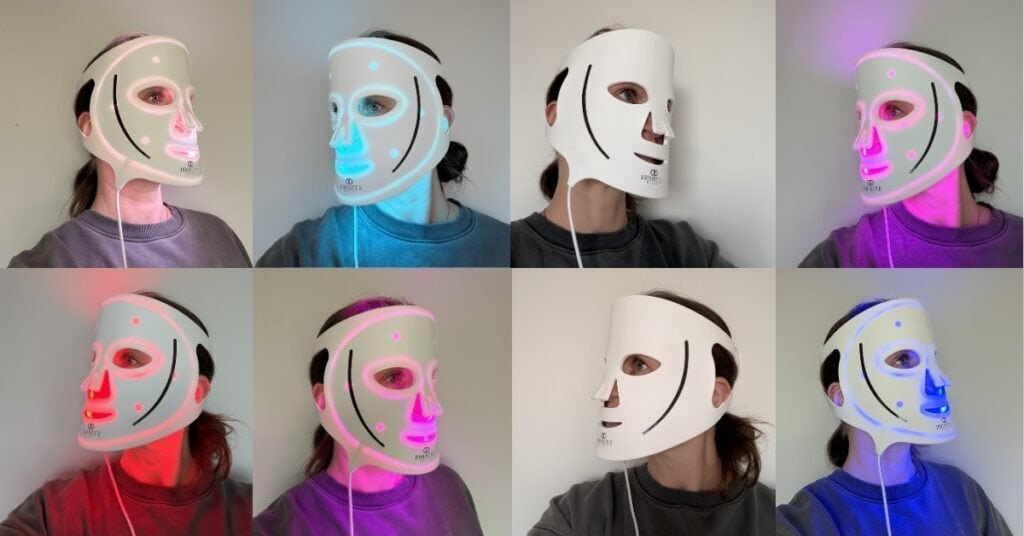
| 2 | Red light mask | I use my red light therapy mask on clean, dry skin about three times per week. |
| 3 | Hydrating toner | This is optional. I use one when my skin needs more hydration, but it is not an essential step. |
| 4 | Vitamin C or peptide serum | I choose one targeted serum rather than layering several active products. |
| 5 | Moisturiser when needed | I look for ingredients such as glycerin, ceramides, squalane and other barrier-supporting emollients. |
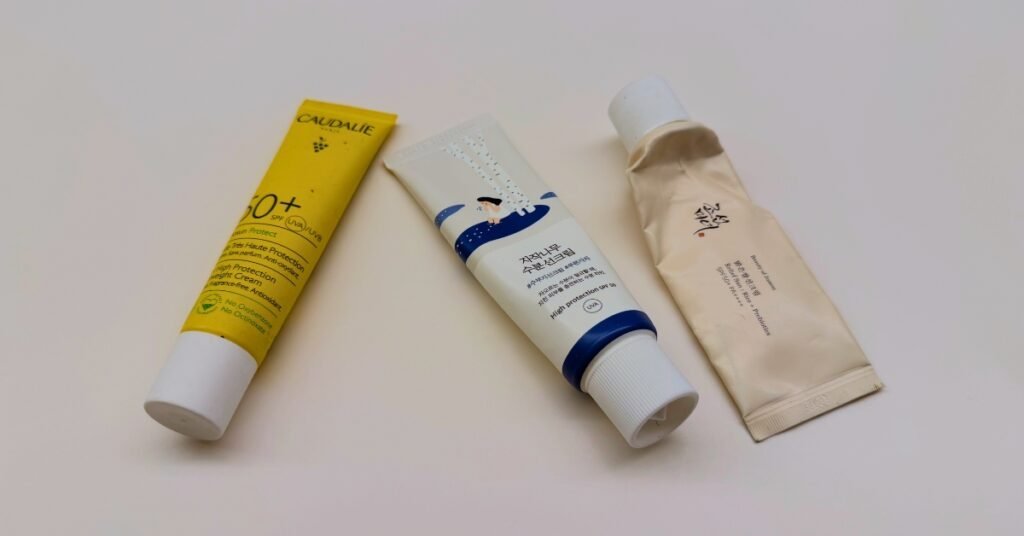
| 6 | Broad-spectrum sunscreen | I finish with SPF 30 or 50 and use enough to cover my face, neck and other exposed skin. |
Why is sunscreen the essential morning step?
Daily broad-spectrum sunscreen is the most important part of my morning routine. Ultraviolet exposure contributes to collagen breakdown, pigmentation, and skin ageing. Protecting the collagen I already have is as important as using products to support collagen production.
My sunscreen is hydrating, so when I am in a rush, I sometimes skip a moisturiser. Mineral and organic or chemical UV filters can both provide effective protection when the product is broad-spectrum. I use a chemical Korean sunscreen on my face, as I feel it suits my skin so much better than a mineral one. It does not leave a white cast and hydrates my skin.
Related guide: How to Choose a Non-Toxic Sunscreen
And if you’re on the lookout for a sunscreen with clean ingredients, check out this list with many great options.
| Step | Product or treatment | How I use it |
|---|---|---|
| 1 | Gentle cleanser | I remove sunscreen, makeup and the day's buildup without stripping my skin. |
| 2 | Blue light wand, optional | I use it directly on hormonal acne spots when needed. |
| 3 | Hydrating toner, optional | I use it when my skin needs additional hydration. |
| 4 | Retinal | I use it on clean, dry skin and reduce the frequency if irritation develops. |
| 5 | Night moisturiser | I finish with a barrier-supporting moisturiser. |
| Weekly | Exfoliant, optional | I exfoliate about once a week and skip retinal that evening. |
How I use retinal without irritating my skin
Retinaldehyde, usually shortened to retinal, requires one fewer conversion step than retinol before it becomes retinoic acid in the skin. That does not automatically make it the right choice for everyone. The best retinoid is one you can use consistently without persistent irritation.
If you are new to retinoids, begin slowly, perhaps two nights per week, and increase only when your skin remains comfortable. Apply it to dry skin, use a small amount and support your barrier with moisturiser. Reduce the frequency if you develop persistent peeling, stinging or redness.
Topical retinoids should not be used during pregnancy. If you are pregnant, trying to conceive or breastfeeding, discuss suitable alternatives with a healthcare professional.²
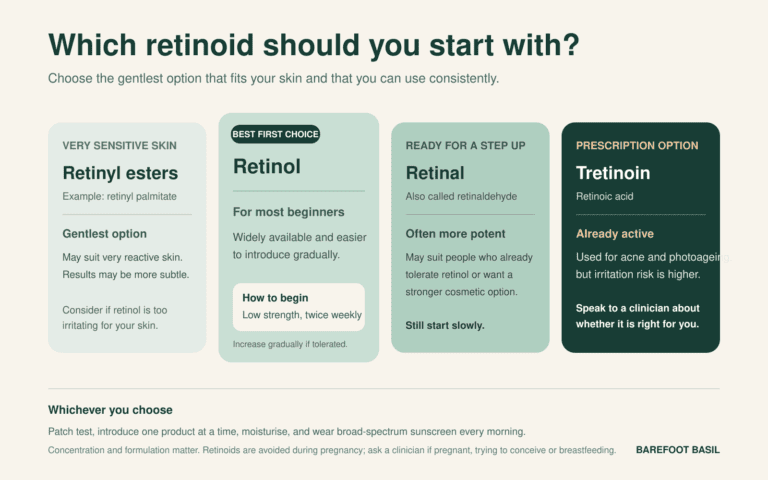
Retinol is usually the most practical starting point for beginners. People with very sensitive skin may prefer a gentler retinyl ester, while retinal can suit those who already tolerate retinol. Tretinoin is a prescription retinoid that should be discussed with a clinician.
The devices I use to support my skin health
Red light therapy mask
I use a red light mask because I enjoy the routine and have noticed that my skin feels plumper, with fewer under-eye bags and calmer hormonal acne. These are my personal observations, not proof that everyone will get the same result. Evidence for photobiomodulation in skin rejuvenation is developing and is very promising (3).
If you use a mask, make sure you choose one with proven wavelengths, follow its instructions, and use it consistently on clean, dry skin. More treatment is not necessarily better.

I have tested two red light therapy masks, and I love them both for different reasons. You can check out their reviews, which include exclusive discounts:
Blue light wand
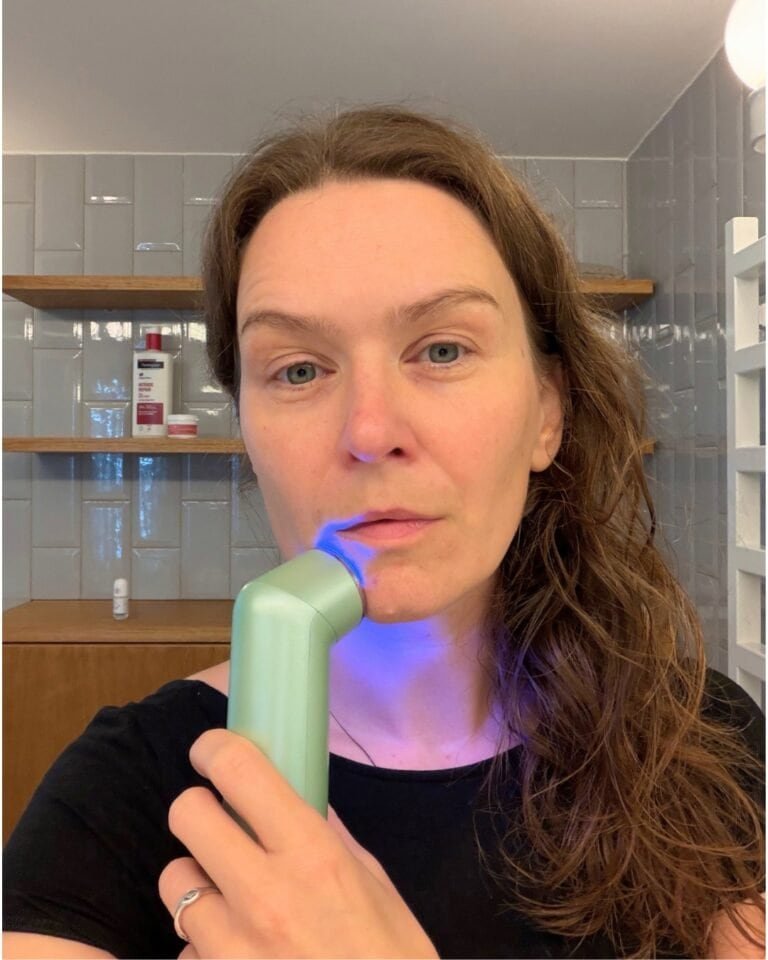
I use a Nanoleaf light wand with blue light on individual acne spots. Blue light has a plausible antibacterial mechanism, but systematic reviews have found uncertainty because trials are small and use different devices and treatment protocols (4). I treat it as an optional addition rather than a replacement for established acne care, but it does seem to reduce the inflammation, and my acne flare ups last way shorter
How I choose skincare products
I don’t buy expensive products with heavy marketing, but I focus on active ingredients. I generally prefer fragrance-free skincare because fragrance does not improve how a product works and can irritate sensitive skin. “Fragrance-free” is different from “unscented”, which may still contain fragrance ingredients used to mask an odour.
I also try to reduce unnecessary exposure to ingredients of concern where it is practical, without assuming that every synthetic ingredient is harmful. Some phthalates can disrupt endocrine function, but exposure and risk depend on the specific chemical, dose, and route. A label may not disclose every ingredient within a fragrance mixture, which is another reason I often choose fragrance-free products.
Parabens require more nuance. Laboratory studies have identified estrogenic activity in some parabens, but current evidence has not established that parabens used at permitted concentrations in cosmetics harm human health. The US Food and Drug Administration continues to review the evidence and does not currently advise consumers to avoid all parabens(5). I therefore do not reject an otherwise suitable product solely because it contains a paraben.
I use the Yuka App for a quick scan to see if there are no toxic ingredients, and then I look for the active ingredient list to make sure a skincare product suits my skin type.
Lifestyle habits that support healthy skin in my 40s
Skincare is one part of looking after the skin. I also focus on habits that support my overall health:
- Eating a varied diet with enough protein, healthy fats, fruit and vegetables
- Staying hydrated according to my activity and climate
- Not smoking
- Keeping alcohol moderate
- Exercising regularly
- Managing stress and protecting my sleep
These habits cannot stop hormonal or chronological skin changes, but they support my skin health.
FAQ
Can perimenopause cause dry or itchy skin?
Yes. Declining oestrogen is associated with reduced skin hydration and changes in barrier function, which can contribute to dryness and itching (1). However, persistent or severe itching can also have other causes, so speak to your dermatologist if it does not improve.
Can I use retinol after a salicylic acid face wash?
Some people can tolerate this combination, but both products may increase dryness and irritation. If your skin is already sensitive, use a gentle non-active cleanser on retinoid nights or alternate the products. Introduce one change at a time so you can see how your skin responds.
Do I need a toner in my 40s?
No. A toner can add hydration or deliver a specific active ingredient, but it is not essential. If your cleanser, moisturiser and sunscreen keep your skin comfortable, you do not need to add one. I use a toner on the days my skin feels very dry.
Should I use retinol every night?
Only if your skin tolerates it. Start slowly, 2 times a week, every other night, and see how your skin reacts. Using a retinoid two or three times per week consistently may be more useful than applying it nightly and stopping regularly because of irritation.
A simple skincare routine is enough
Perimenopause does not mean that you need more very expensive skincare products. For many of us, it means becoming more selective. A gentle cleanser, a suitable moisturiser, daily sunscreen, and a tolerated retinoid can become an effective routine. Targeted serums and devices are optional.
My skin still changes from week to week, so I adjust rather than force every step. When it becomes dry or irritated, I reduce active ingredients and return to cleansing, moisturising, and sunscreen. Consistency with a few appropriate products matters more to me than following every new skincare trend.
Health Disclaimer: This post is for informational purposes only and is not medical advice. Always consult a qualified healthcare professional before making changes to your supplements, medications, or treatment plan, particularly during perimenopause or if you have an existing health condition.
References
1. DeGiovanni C. Managing Menopausal Skin A Clinicians Review. EMJ Dermatology. 2025. Source
2. American Academy of Dermatology. Dermatologist approved pregnancy skin care. Source
3. Jagdeo J et al. Light emitting diodes in dermatology A systematic review of randomized controlled trials. Lasers in Surgery and Medicine. 2018. Source
4. Barbaric J et al. Light therapies for acne. Cochrane Database of Systematic Reviews. 2016. Source
5. US Food and Drug Administration. Parabens in cosmetics. Source

Silvija Meilunaite, PN1-NC, CSMC, is a certified nutrition coach and menopause coaching specialist. Combining current scientific research with her own experience of perimenopause, she writes evidence-based articles, practical guides, and in-depth product reviews to help women over 40 make informed decisions about nutrition, strength training, recovery, supplements, non-toxic living, and wellness products.